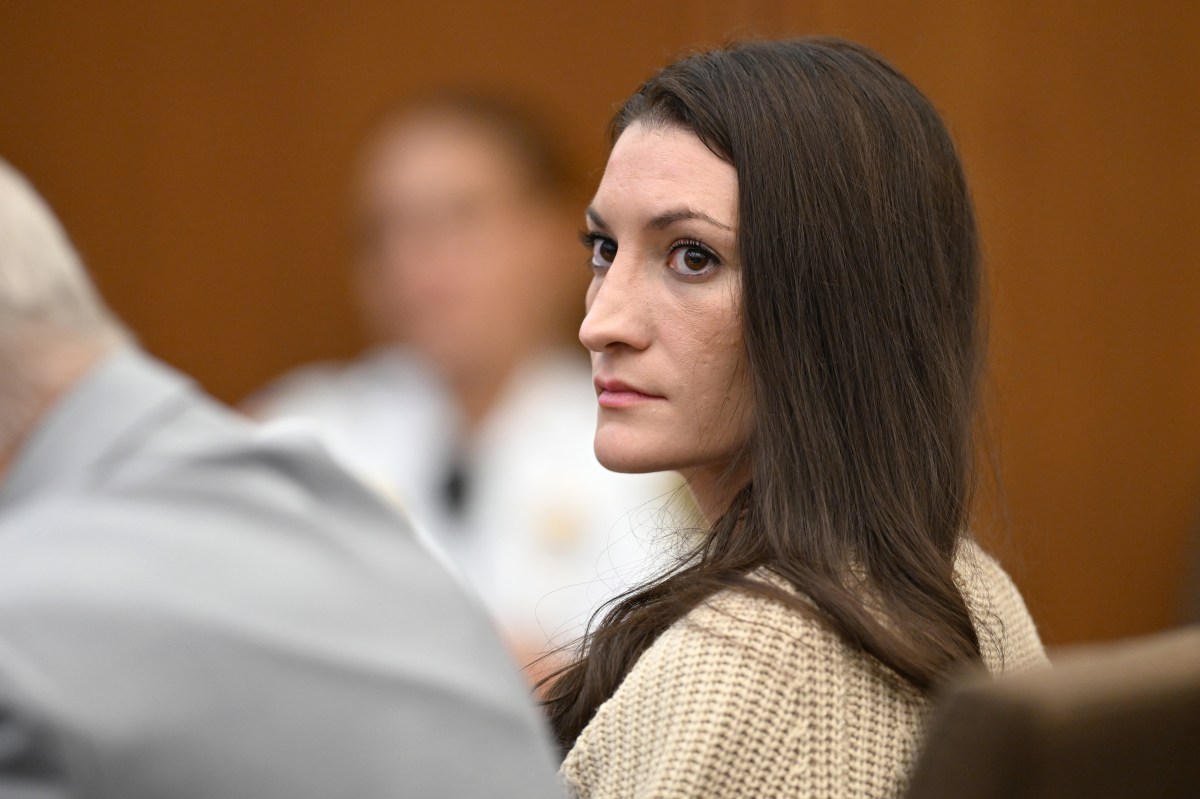
As the murder trial of Massachusetts mother Lindsay Clancy enters its final stages, with closing arguments expected next week, the high-profile case has sparked a wave of emotional reactions across social media. Many women have said they recognized aspects of their own postpartum struggles in the private journal and Notes app entries presented during court testimony. Elizabeth Cadeaux, a stay-at-home mother from Brooklyn, New York who posted a tearful video earlier this month on TikTok titled "I am Lindsay Clancy," said hearing Clancy's writings read aloud prompted her to speak publicly about her own experience with postpartum depression.
Although stressing that her story and outcome are vastly different, she noted that some of the feelings expressed in Clancy's notes sounded strikingly familiar. "Those notes that I heard written by her felt very familiar to me...they sounded like things I had written myself," Cadeaux said in a phone interview with Newsweek on Saturday morning. "I feel so guilty for spending all my family's money when I'm not working right now.
I wish I could spend more time with my child. I feel overwhelmed when he cries. The similarities were just so striking to me." Mental health advocates say the intense national attention surrounding the trial has highlighted widespread confusion about the differences between normal postpartum adjustments, postpartum depression, and the rare condition known as postpartum psychosis.
"The postpartum period happens to each and every woman or birthing parent after a baby is born," Cadeaux said. "But then there are different layers to it. There's postpartum depression, postpartum anxiety, postpartum psychosis.
People are really conflating postpartum with all of these things." Mental health advocates note that postpartum depression, postpartum anxiety and postpartum psychosis exist on a spectrum and require different types of intervention. While postpartum depression affects far more women, postpartum psychosis is considered rare and often requires immediate psychiatric treatment because of the risk of harm to oneself or others. Cadeaux's words echo a growing chorus of women who have been following the trial and sharing their own experiences with postpartum depression, anxiety and other mental health challenges.
Wearing shirts bearing slogans including "Believe," "She Needed Help" and "Peace for Lindsay," hundreds of women dressed in pink gathered outside the courthouse this week in a show of support for Clancy. The gathering was organized by Renee Kimball of Maine who said she was moved to act after watching Clancy react emotionally in court during testimony about her children's autopsy reports. "Watching her in that moment was devastating," Kimball previously told Newsweek.
Extract — continue reading at the source.