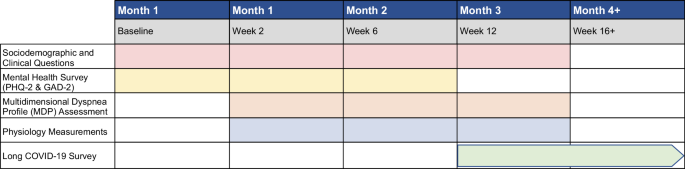
Recovery following acute COVID-19 varies widely, yet early recovery patterns remain understudied in Africa. Given the high burden of post-infection morbidity in resource-limited settings, there is a need to characterize recovery trajectories and identify those at risk for delayed recovery. We enrolled 151 adults between July 2021 and July 2022 with confirmed SARS-CoV-2 infection from healthcare facilities in Uganda and followed them for 12 weeks.
Outcomes included pulmonary function, exercise capacity, symptom burden, and mental health, and were analyzed descriptively and using mixed-effects models. Participants with severe acute COVID-19 had the greatest impairments during recovery. At 12 weeks, forced expiratory volume in 1 second (FEV1), diffusing capacity of the lungs for carbon monoxide (DLCO), and six-minute walk distance remained lower in severe versus mild cases (mean (SD): 98.45 (22.22) vs 105.26 (12.29); 78.99 (18.83) vs 107.72 (20.44); 409.28 (71.18) vs 506.82 (70.87)), consistent with adjusted models showing lower FEV1 (β = -13.10, 95% CI: -24.13, -2.07), DLCO (β = -40.75, 95% CI: -53.84, -27.66), and six-minute walk distance (β = -95.87, 95% CI: -136.66, -55.08).
Continued COVID-19 and mental health symptoms were reported across all groups; mild cases had worse mental health scores (23.19 (12.65) vs 16.95 (13.98)), while severe cases had a broader range of persistent symptoms, including fatigue, breathlessness, and cognitive complaints. In this longitudinal study in Uganda, COVID-19 was associated with persistent physiological and psychosocial impacts, particularly among those with severe illness. Initial severity may help identify individuals at risk for delayed recovery and guide targeted post-COVID care in resource-limited settings.
Recovery from COVID-19 is highly variable, particularly in the acute and early post-acute periods1,2,3. Individuals may experience a range of symptoms during and following infection, with some recovering quickly while others have more prolonged symptom trajectories. While symptoms persisting beyond the acute phase (>12 weeks) have been described as Post-Acute Sequelae of COVID-19 (PASC or long COVID)1, most evidence on recovery trajectories comes from high-income settings.
Data from sub-Saharan Africa remains limited, where differences in underlying health and access to care make it unclear whether recovery patterns observed in high-income settings persist there. There is a need for studies that characterize recovery in these settings across multiple domains, including physical functioning, respiratory health, and mental health. Recovery following COVID-19 can involve multiple organ systems and varies substantially across individuals4,5.
Persistent and evolving symptoms may affect respiratory6,7, neurological8, cardiovascular9, and functional domains10, reflecting the complex and heterogeneous nature of post-infection recovery. Prior work has shown that individuals with more severe acute illness or a higher symptom burden may experience slower or more incomplete recovery, often involving impairments across multiple organ systems2,11,12. Additionally pre-existing conditions, including underlying lung impairments, such as severe obstruction, restriction, and emphysema, may influence recovery trajectories and heighten vulnerability to prolonged or multisystem impairments13.
Extract — continue reading at the source.