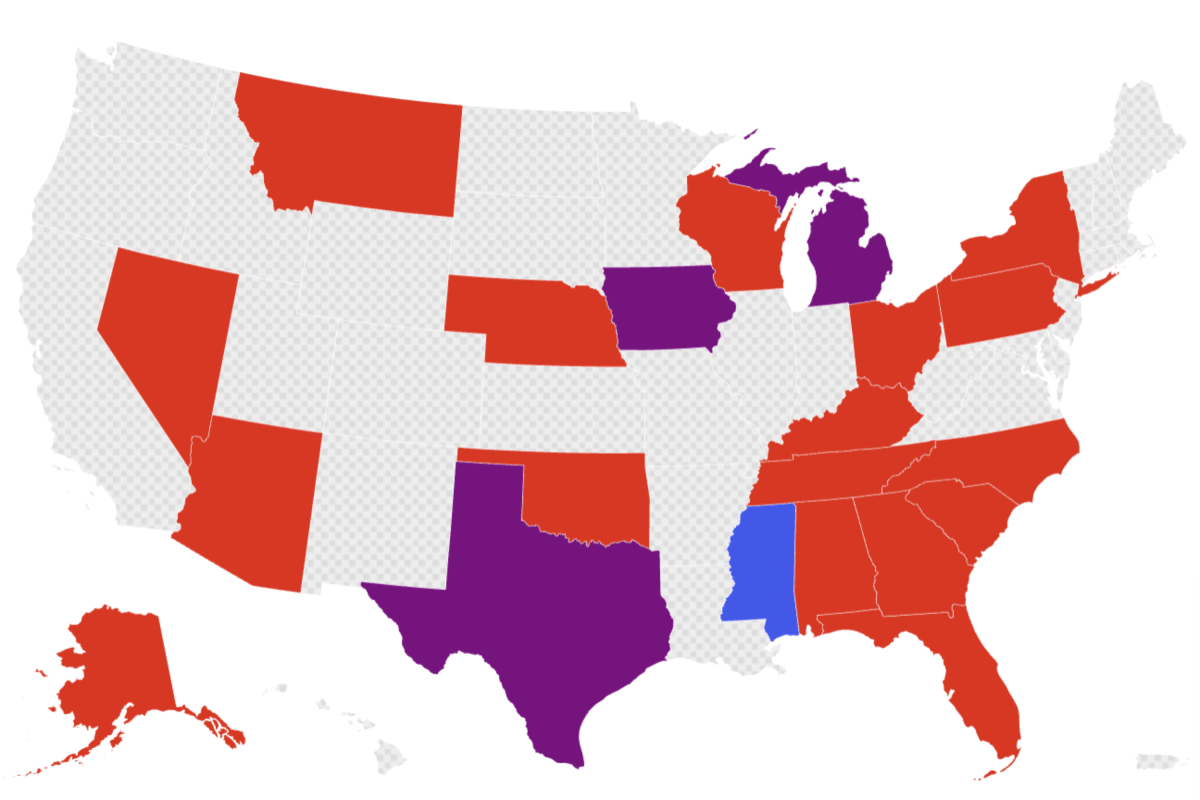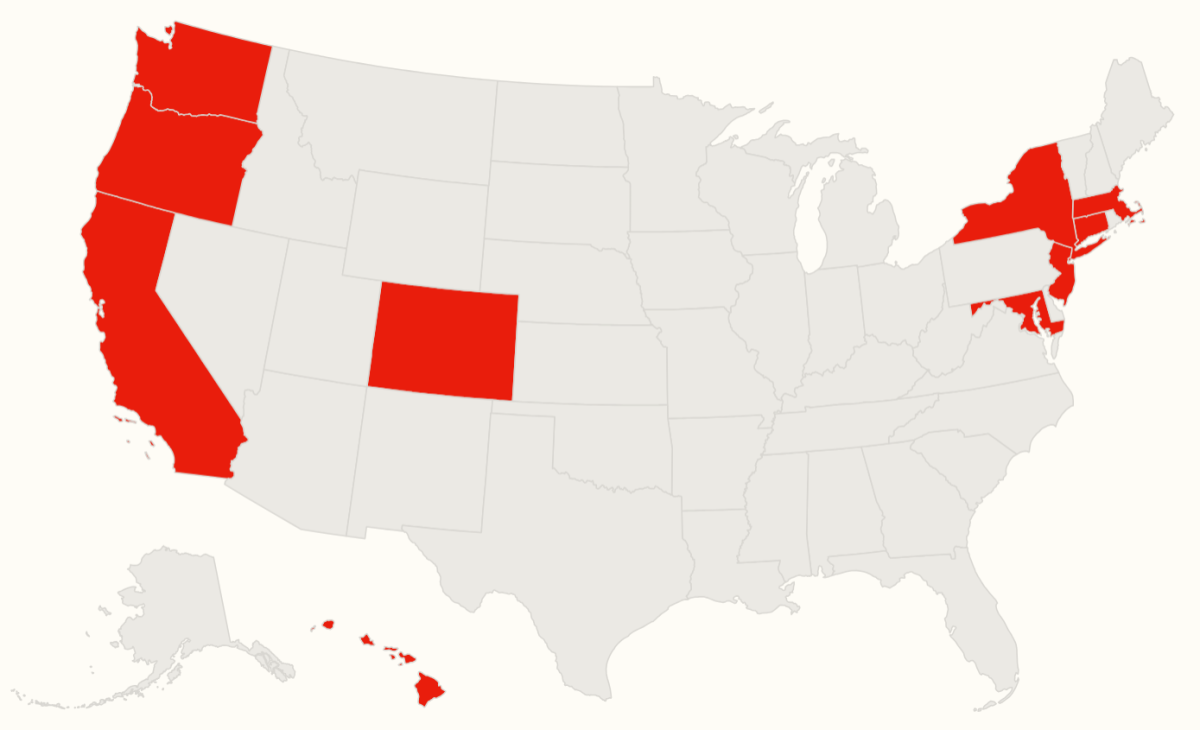
A six-figure salary was once considered the hallmark of financial security in the United States. However, new data shows that milestone is increasingly falling short in high-cost states. A report published last week by financial technology company SmartAsset found that a $120,000 annual income no longer guarantees comfort nationwide.
Hawaii leads the nation as the state where that salary stretches the least, requiring a single adult to earn $129,000 to live comfortably. And for a family of four living in the Aloha State, that number rises to $313,165. The findings highlight a persistent affordability crisis affecting singles and families alike.
While inflation has cooled significantly from its pandemic-era peak, cumulative price increases for housing, food, and other essentials have left many feeling squeezed despite rising wages. Although many households earn more today than they did several years ago, soaring living costs have outpaced wage gains for millions of workers. According to SmartAsset, nearly half of all states now require a salary of more than $100,000 for a single adult to achieve a comfortable lifestyle.
Researchers in the report defined that standard using the 50/30/20 budgeting rule, which allocates 50 percent of income to necessities, 30 percent to discretionary spending, and 20 percent to savings and debt reduction. The four states requiring a single adult to earn more than $120,000 annually are: Rounding out the top 10 states with the highest income thresholds are: The current squeeze stems largely from price spikes that began during the COVID-19 pandemic and surged through the inflation wave of 2021 to 2023. Although annual inflation rates have moderated, which as of July is at 3.4 percent, overall price levels have not declined.
Housing remains the primary driver of financial strain. Home prices soared during the pandemic housing boom, and mortgage rates climbed sharply as the Federal Reserve raised interest rates to combat inflation. Renters face similar pressures across major metropolitan areas.
High housing prices, state and local taxes, energy costs, and transportation costs are all very localized,” Drew Powers, the founder of Illinois-based Powers Financial Group, told Newsweek. Food, insurance, healthcare and even utility costs have all risen significantly. Economists expect affordability to remain a dominant issue.
Extract — continue reading at the source.