Dozens of deaths linked to a new potent synthetic opioid, cychlorphine, have been reported across the country over the past year, including a 16-year-old in San Francisco whose autopsy revealed the presence of the dangerous drug. Dante Paul Lacourte was found overdosing in his bed by his mother on April 7, in the affluent neighborhood of Lower Nob Hill. His was the first cychlorphine-related death in San Francisco, marking the arrival of the drug in the city of over 800,000 residents, which is still reeling from the devastation caused by the fentanyl epidemic.
Some two weeks later, health officials in the city were warning residents of the dangers of the new “powerful non-fentanyl synthetic opioids” circulating in the city in the guise of counterfeit pills. The street drug, whose emergence over the last couple of years has got public health officials in the U.S. and across the world alarmed, might be beckoning a new wave of the nation’s opioid crisis, according to experts, as fentanyl loses its dominance on the market. At least 55 deaths nationwide have been linked to the drugs between 2025 and early 2026, according to a drug threat notice issued by the Office of National Drug Control Policy (ONDCP) in April.
Since then, the number has likely gone up. The Knox County Regional Forensic Center (KCRFC) in Tennessee reported that cychlorphine was linked to 41 overdose deaths in the state between July 2025 and February 2026. The number of cychlorphine-related deaths in the state has since then increased, officials said.
Cychlorphine, or N-propionitrile chlorphine, is a laboratory-made drug which belongs to a class of synthetic opioids known as “orphines” or benzimidazol-2-ones. It is structurally similar to other benzimidazolones, such as brorphine, spirochlorphine and chlorphine, with the key difference that cychlorphine extends the chlorphine structure by adding a propionitrile group to the benzimidazole nitrogen. It is not, according to experts, a fentanyl analog.
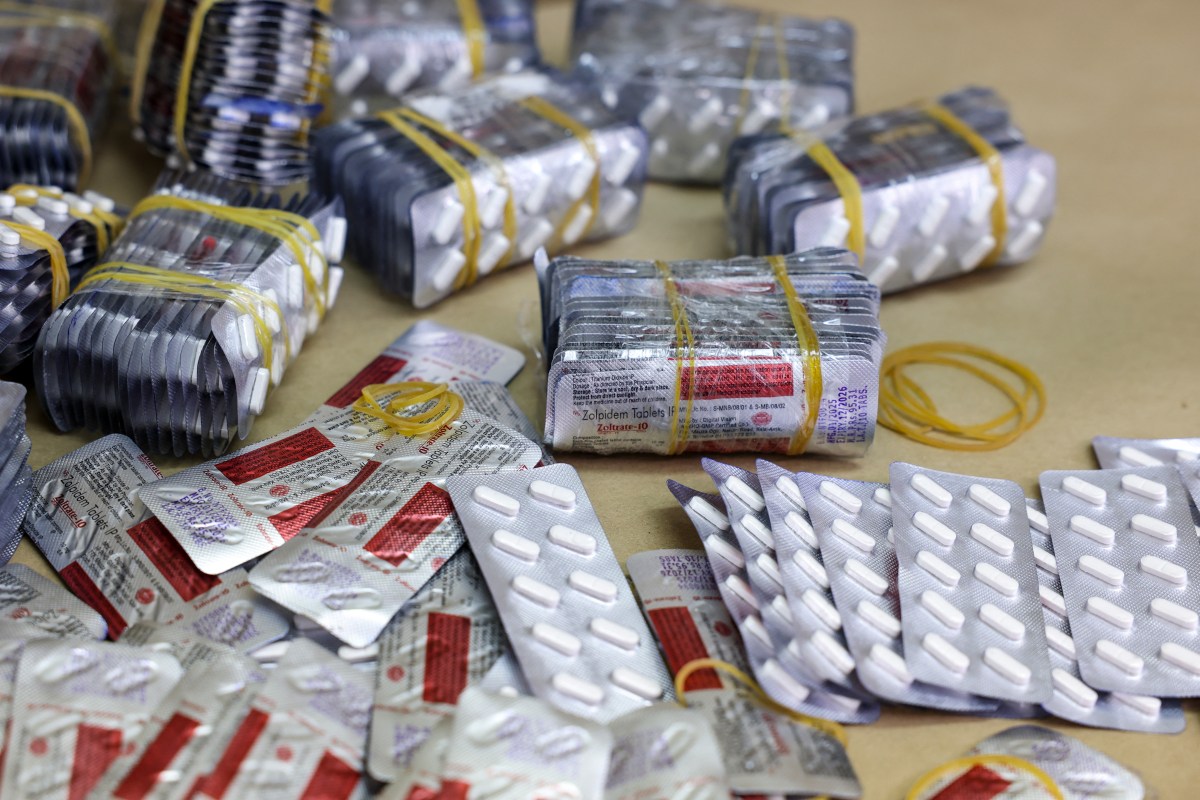
Across the U.S., cychlorphine has been found primarily in powders, tablets, and counterfeit pills. According to the ONDCP, it has been found mixed in with fentanyl or drugs such as methamphetamine, bromazolam, cocaine, and others, as well as on its own. Cychlorphine is not technically a new drug.
It was first synthesized and studied in the 1960s in a Belgian lab, when researchers thought orphines could be used as pain relievers; but they were never marketed or approved for medical use. The drug that got physicians and health officials on high alert now, cychlorphine, originated in China in 2024, moved to Europe, and reached U.S. streets later that year, according to officials. Its presence in the U.S. seemed to have increased after China placed restrictions on nitazenes in July 2025, showing how quickly traffickers have shifted to an alternative product.
Extract — continue reading at the source.