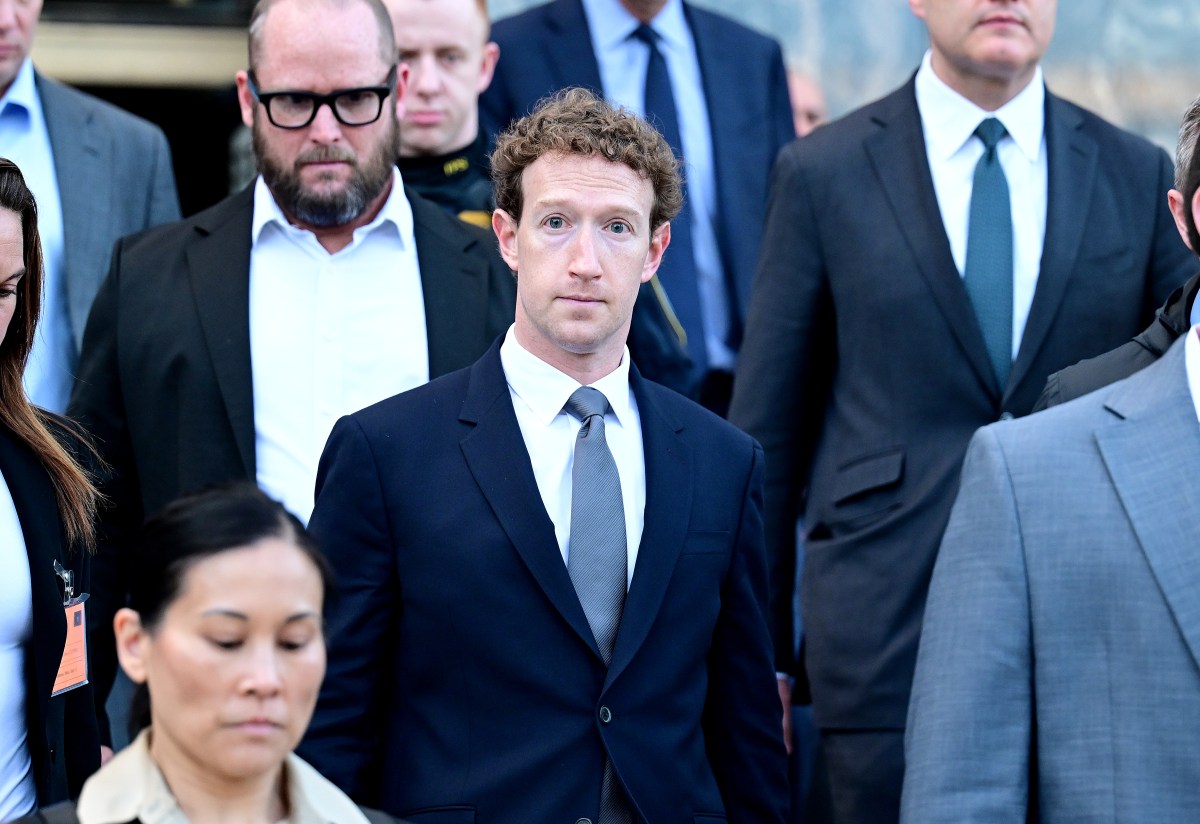
Meta shares rose 4.4 percent in premarket trading Wednesday as the company agreed to a proposed settlement worth up to $16.68 billion over child-safety claims. It's a reaction that captures the somewhat perverse economics of penalizing one of America’s richest companies. The deal, reached during a federal trial involving 29 states, would resolve a broader set of claims involving 47 states and impose new safeguards on Facebook and Instagram for younger users.
Meta denied wrongdoing in agreeing to settle. The social media giant's latest financial numbers explain why investors could see relief where everyone else sees a punishing bill. In the second quarter alone, the company reported $60.801 billion in revenue and $15.848 billion in net income.
It ended June with $90.26 billion in cash, cash equivalents and marketable securities. So at the settlement’s maximum value, Meta would be paying about 105 percent of one quarter’s profit. Put differently, almost $17 billion amounts to only a little more than three months of Meta’s recent earnings.
The settlement also removes a much larger legal uncertainty hanging over Meta's head. The states’ case went far beyond a general claim that teenagers spend too much time online, and into the effects on their mental health, wellbeing, and safety. They alleged that Meta deliberately built Facebook and Instagram around features that keep young users engaged, including infinite scrolling, autoplay, frequent notifications and visible measures of popularity such as likes, views and follower counts.
California’s largely unredacted 2023 complaint also alleged that Meta tracked goals for increasing time spent on its platforms, and that Mark Zuckerberg rejected a proposed ban on filters simulating plastic surgery despite internal concerns about their effects on young users. The states also accused Meta of misleading parents and the public about those risks and of failing adequately to keep children under 13 off its services. Their federal claims alleged that Meta collected personal information from some under-13 users without the parental consent required by the Children’s Online Privacy Protection Act.
Meta rejected the allegations during the litigation and has pointed to measures including private-by-default teen accounts, parental controls, age-verification technology and restrictions on sensitive content as evidence of its child-safety work. Its lawyers had argued before trial that the states’ penalty theory could produce exposure as high as $1.4 trillion, an utterly enormous figure that dwarfs even Elon Musk's net worth. The states later suggested a figure closer to $200 billion.
Extract — continue reading at the source.