Meta's decision to settle the case on Wednesday came as a surprise. I was expecting weeks of courtroom drama as 29 states – almost two-thirds of North America - took on one US tech giant. Technically, the trial was about children's online privacy.
It was based on a US law called the Children's Online Privacy Protection Act (COPPA), which is nearly 30 years old and predates all of today's biggest social platforms. It centred around Meta's historic gathering and use of data belonging to children under the age of 13 over a period of several years. In reality, it was a co-ordinated attack on the firm's online safety credentials.
Meta, alongside other social media apps, is under fire around the world as 2026 is shaping up to be a year of reckoning for the entire industry - perhaps our days of doomscrolling are numbered. Meta to pay up to $18bn to settle claims its platforms harm children Meta has fought hard, over multiple lawsuits spanning many months and at great expense, to defend its commitment to protecting children on its platforms. More than once, I've been invited to detailed presentations at Meta's London HQ, where senior executives have walked journalists like me through the many safety tools the company has launched over the years designed to give children better protection on its apps.
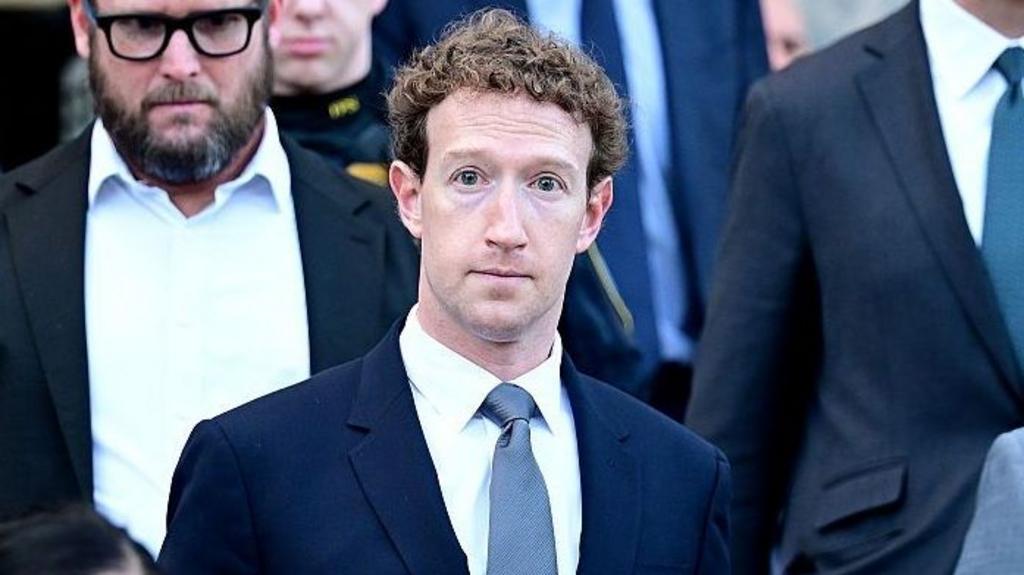
I have also met the parents of young people who have come to harm on those same platforms, and others who admit to being totally overwhelmed by the sheer number of safety tools that require their oversight - at the last count Meta had more than 60 of them, and that was just on Instagram. The trial went on for just five days, and came to an end before CEO Mark Zuckerberg took to the stand. Whistleblower Arturo Bejar, who once worked at Instagram, claimed that in the past he had told bosses that harmful stuff was happening to children on the platform, and no action was taken.
Another executive said he didn't remember writing on a slide deck that sometimes Meta chose to pay fines for violating regulations rather than make changes. Internal memos suggested that the firm knew opt-in tools tended to have low adoption rates, and yet it still launched safety features that were not switched on by default. There had been intense speculation that Meta would have faced hundreds of billions of dollars in fines if it had lost.
The worst-case scenario, which would have been the maximum penalty imposed for every single child who used one of its platforms for more than half an hour a day during a 12-year window, was $1.4tn (£1tn) – roughly the same as the company's entire value. That of course was never going to happen, but a more realistic figure was still in the hundreds of billions. By comparison, up to $18bn (over a period of 10 years) is significantly smaller.
Extract — continue reading at the source.