Mortgage rates surged to their highest level in nearly three years this week after making the biggest one-week leap in four years, according to the latest data by Freddie Mac. The average interest rate on a 30-year fixed-rate mortgage, the most popular home loan in the country, reached 7.28 percent as of the week ending Thursday, up from 7.03 a week earlier. It is the highest point reached by mortgage rates since November 2023, marking the sixth consecutive week of hikes.
For homebuyers across the nation who were waiting for rates to drop to 6 percent and lower, as forecast by experts by the end of 2025, the recent increase is a terrible development in a year that has offered little improvement in terms of housing affordability. What drove up the yield were soaring energy costs, which have been rising since the war in Iran that began on February 28 caused massive disruptions to the global supply of oil. Additionally, the AI spending boom and a wave of corporate borrowing has pushed up competition for capital, lifting bond yields.
The jump in the yield pushed rates higher even as softer personal consumption expenditures (PCE) price index data and dovish comments by the Federal Reserve briefly lowered expectations for a rate cut this month. More importantly though, the larger forces affecting bond yields aren’t going away any time soon. But even minus today, we were already looking at a higher week-over-week average.” On Friday, the latest report shows that job growth was weaker than expected in September, with 29,000 net new jobs, showing that the U.S. economy is not overheating.
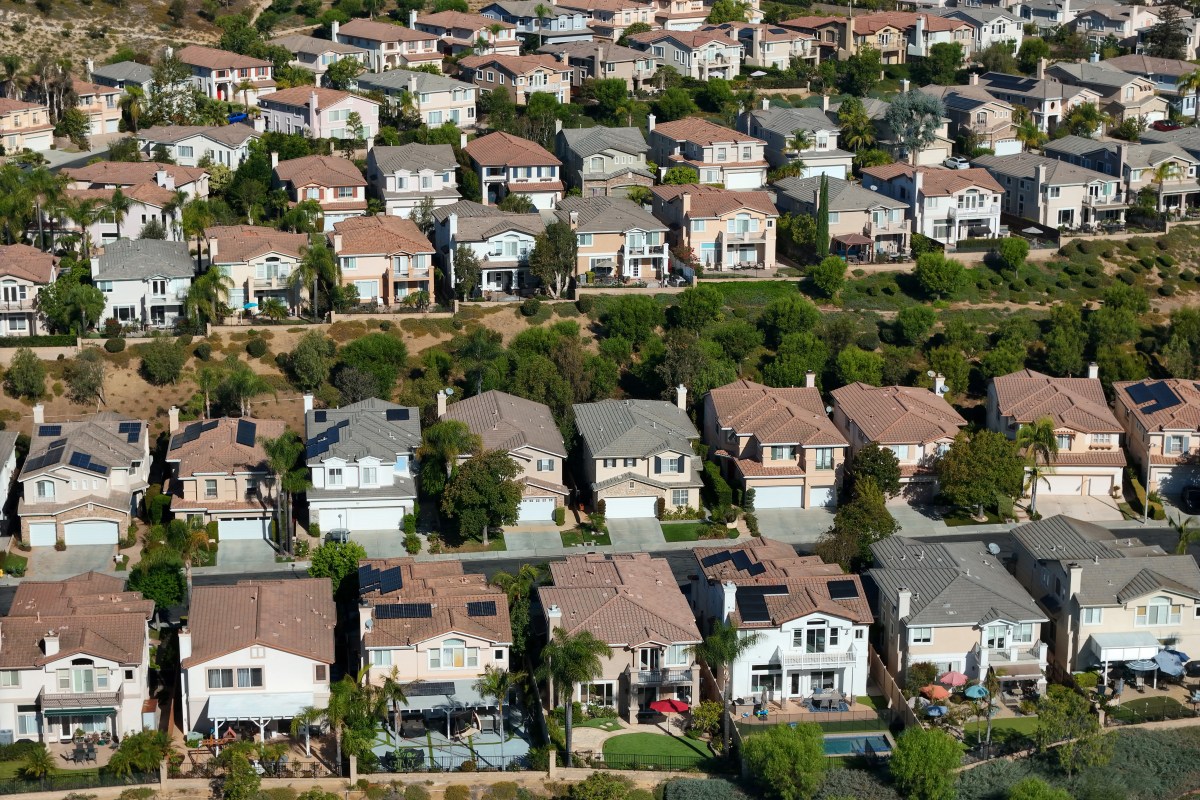
That’s because the job market will not exert upward inflationary pressure and oil prices have retreated somewhat,” Lawrence Yun, chief economist at the National Association of Realtors, said in a statement shared with Newsweek on Friday. The typical U.S. home had a median listing price of $424,500 in August, according to Realtor.com data. Assuming that a buyer is purchasing a typical U.S. home taking on a 30-year fixed-rate mortgage with a 20 percent down payment, they are now spending about $213 more per month than they were last year, when the average 30-year fixed-rate mortgage was 6.34 percent, according to Freddie Mac.
That is the equivalent of $2,552 per year more. Because the rate increase is applied to the mortgage balance, the dollar impact is naturally largest in states with the highest listing prices. These are: At the other end are states where housing costs are generally lower.
These are: U.S. homebuyers are paying even more compared to late February, before the U.S. and Israel launched joint strikes on Iran, starting the ongoing conflict. In the week ending February 25, the average 30-year fixed-rate mortgage had fallen below 6 percent, at 5.98 percent. Compared with a 5.98 percent mortgage, today’s 7.28 percent rate costs about $286 more per month on the median-priced U.S. home, or roughly $3,432 more per year.
Extract — continue reading at the source.