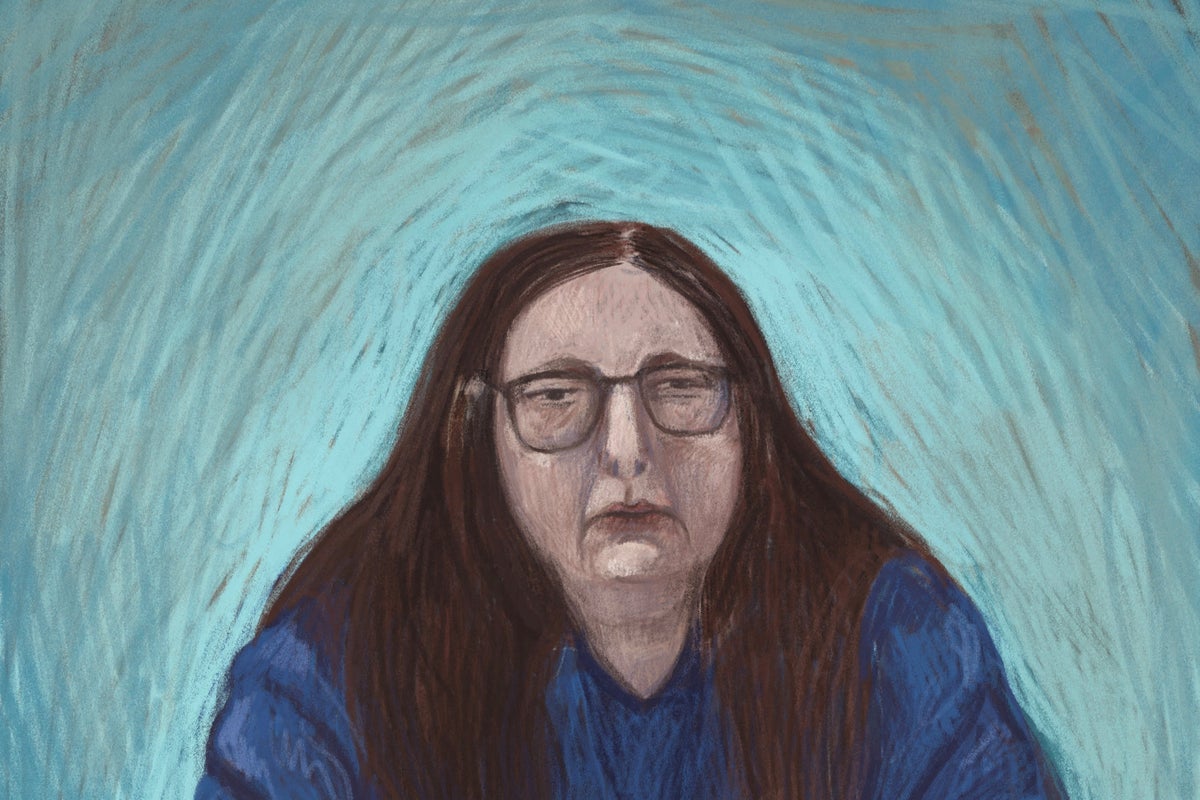
Lawyers for Erin Patterson, the Australian mushroom killer appealing her conviction, argued on Wednesday that putting her jurors up in the same hotel as police and prosecution officials was a “catastrophic” failure of the justice system. Patterson, 51, serving a life sentence for murdering three members of her estranged husband’s family by feeding them food laced with death-cap mushrooms, appeared by video link as her barristers Richard Edney and Veronika Drago presented seven grounds of appeal to the Victorian Court of Appeal. The most significant challenge centred on the accommodation arrangement for the jurors in Morwell, where they were briefly housed in the same hotel as some people connected to the prosecution.
Mr Edney described the arrangement as “catastrophic”, arguing that it could have had a “subconscious influence” on jurors and amounted to a “fundamental irregularity” that undermined the integrity of the verdict. Justice must not only be done, but be seen to be done in “perhaps one of the most high-profile criminal trials this state has ever had”, he added. The director of public prosecutions, Brendan Kissane KC, rejected the claim saying that there was no evidence of contact between jurors and prosecution figures.
Mr Kissane conceded that trial judge Christopher Beale would have rejected the arrangement had he known about it in advance. The prosecution used the evidence at Patterson’s trial to argue that she had an opportunity to obtain death-cap mushrooms before the fatal lunch. The court heard that death caps had been reported on iNaturalist in Loch and Outtrim, while phone records showed Patterson’s phone had connected to cell towers covering the two areas.
The defence argued on Wednesday that the evidence was too speculative, pointing out that it didn’t establish Patterson had seen the iNaturalist reports or that she had visited the precise locations the mushrooms were found at. The first error by the trial judge – where the impugned evidence was incorrectly ruled to be irrelevant on 29 May 2025 – had a cascading and compounding effect on what came over the course of following two days in the trial. It also occurred at a critical and sensitive time in trial.” Ms Drago argued the judge’s rulings “compelled” Patterson to give evidence about photographs of mushrooms she had taken years before the fatal lunch.
The lawyers also attacked the prosecution’s cross-examination and closing address. Mr Edney argued that her questioning was “unfair” and “oppressive” and put pressure on Patterson to explain evidence from other witnesses. The defence identified 35 complaints with the closing submissions.
They argued that she went “too far” and misstated evidence. The defence further argued that the prosecutors effectively introduced a new motive during their closing address, despite saying they did not need to prove motive. Ms Drago alleged that the prosecution changed its case “surreptitiously”.
Extract — continue reading at the source.