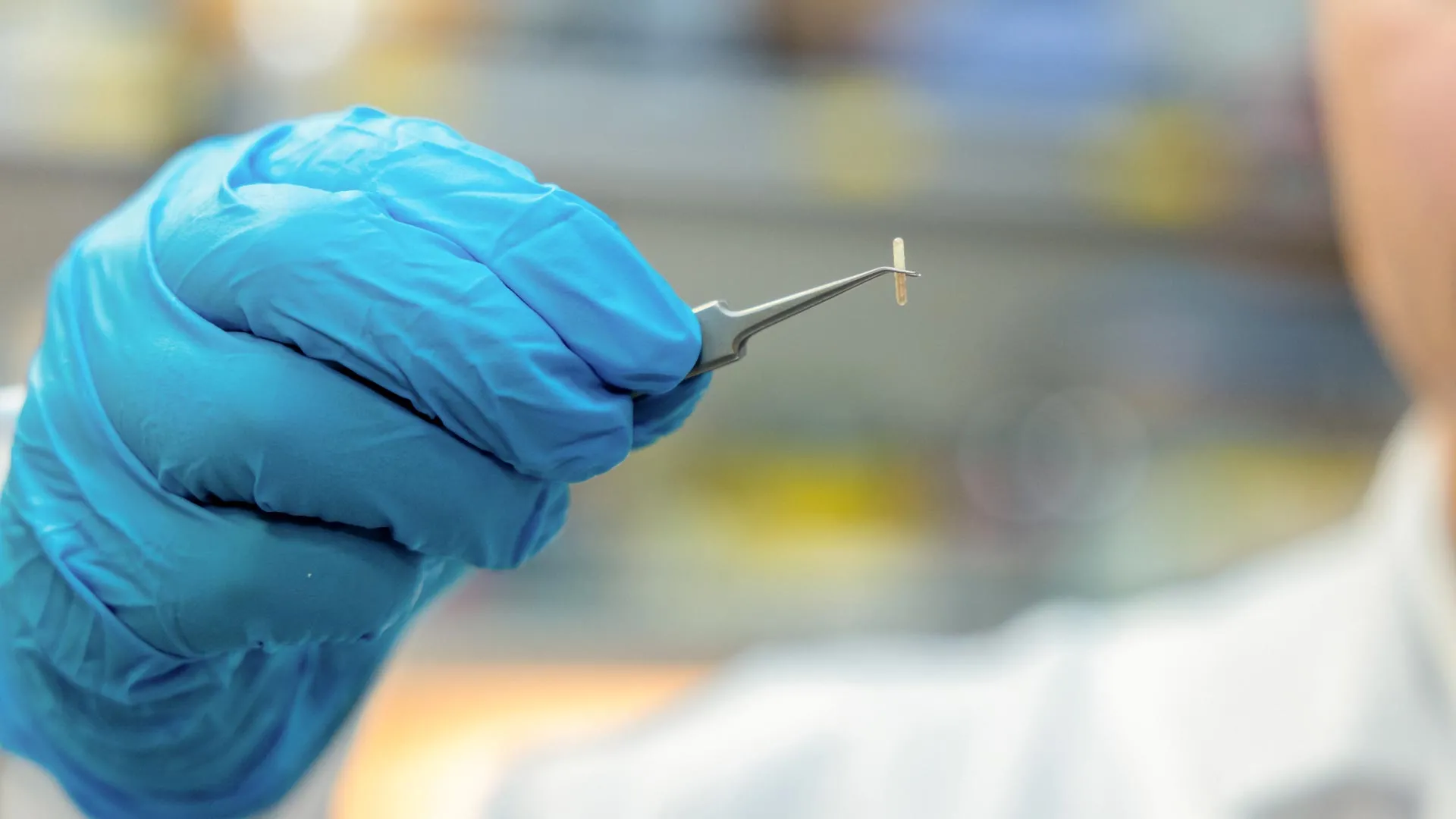
Neanderthals may have used a sticky substance made from tree bark not only to construct tools but also to treat wounds and fight bacterial infections. Scientists have discovered that birch tar, a material commonly associated with prehistoric toolmaking, has antibacterial properties that could have made it useful as an ancient form of medicine. The findings come from a study conducted by researchers at the University of Cologne, the University of Oxford, the University of Liège, and Cape Breton University in Canada.
By recreating techniques believed to have been used by Neanderthals, the team produced birch tar and tested its ability to inhibit harmful bacteria. Their results suggest that this prehistoric adhesive may have served a second, previously overlooked purpose: helping protect wounds from infection. The research was published in PLOS One under the title "Antibacterial properties of experimentally produced birch tar and its medicinal affordances in the Pleistocene." Ancient Neanderthal Glue May Have Had a Medical Purpose Birch tar is a thick, sticky substance obtained by heating birch bark.
Archaeologists have discovered traces of it at numerous Neanderthal sites across Europe, often still attached to ancient stone tools. For decades, these discoveries led researchers to believe that Neanderthals primarily used the material as glue. In particular, birch tar would have helped them attach stone blades or points to wooden handles, a technique known as hafting.
This process allowed different components to be joined together to create more practical and effective tools. However, scientists are increasingly exploring whether birch tar played a broader role in prehistoric life. "However, new studies suggest that birch tar may also have been used for other purposes," says Tjaark Siemssen of the University of Cologne and Oxford University, who is leading the current study.
Evidence from traditional societies around the world shows that birch tar has been used for medicinal purposes as well as other applications. Combined with archaeological discoveries suggesting that Neanderthals used plants and practiced forms of medical care, this raised an intriguing question: Could Neanderthals have recognized the medicinal potential of the same substance they used to make tools? "Alongside these findings, there is also growing evidence of medicinal practices and the use of plants among Neanderthals, which is why we were interested in the use of birch tar in this context," says Siemssen.
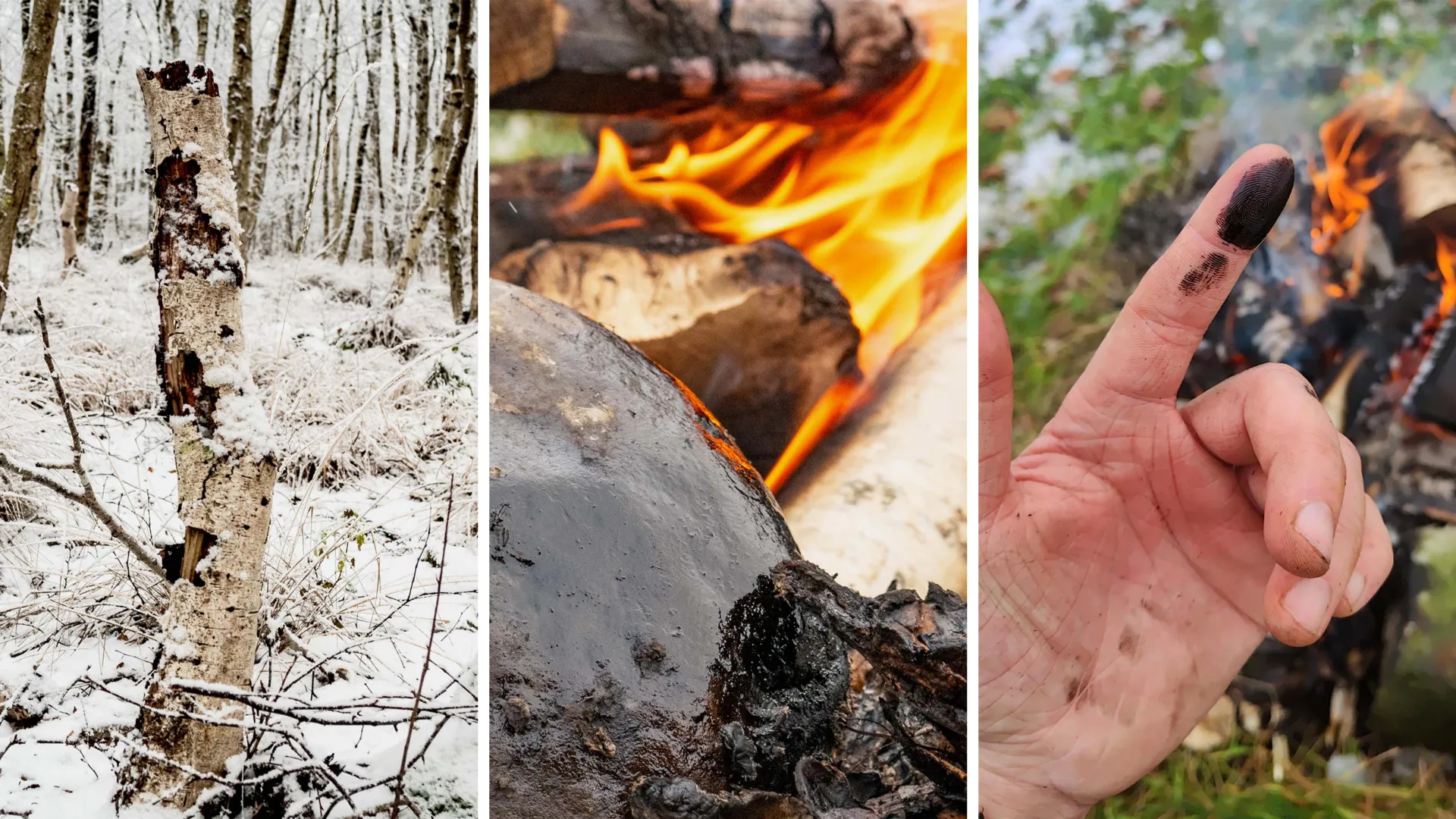
Recreating the Ancient Methods Used To Make Birch Tar To investigate, the researchers produced their own birch tar using tree species that were present during the Neanderthal era. Rather than relying on modern industrial processes, they recreated production techniques reconstructed from archaeological evidence associated with Neanderthals. One technique involved placing birch bark inside a sealed underground pit and heating it with little or no oxygen.
Extract — continue reading at the source.