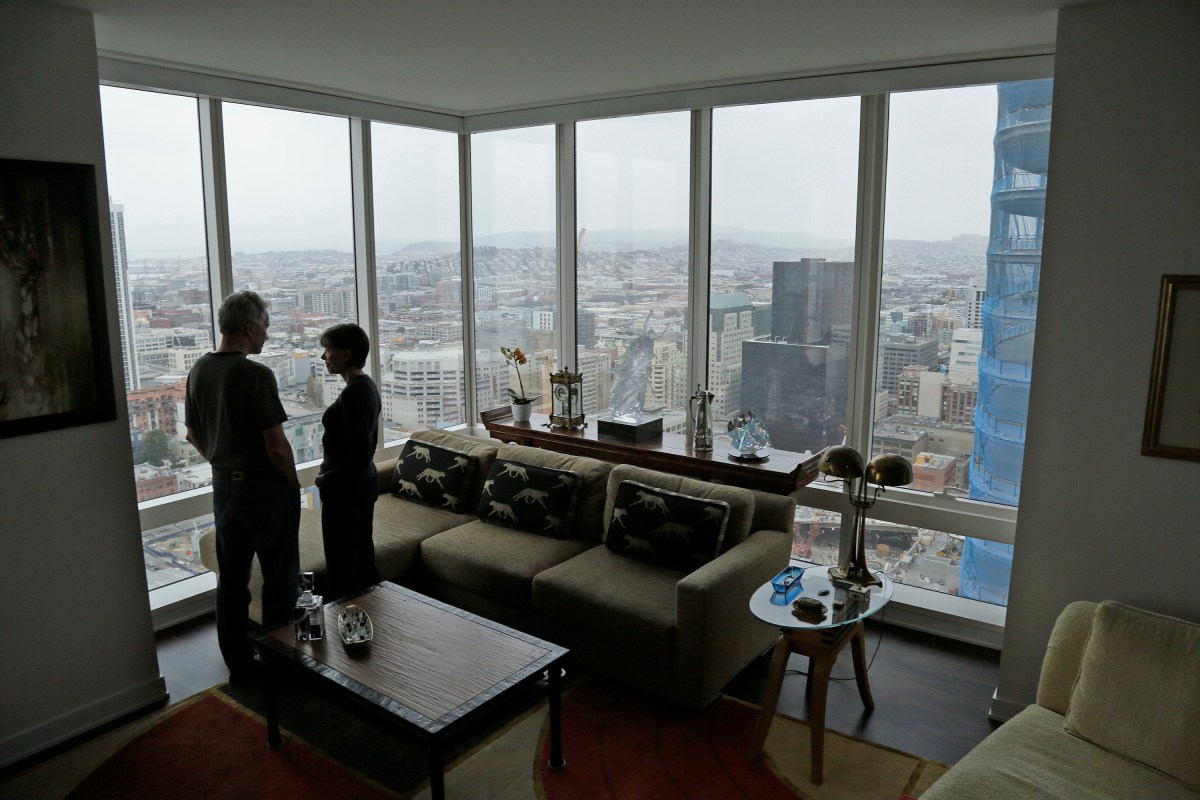
Within the next nine days, California Governor Gavin Newsom must decide whether to sign or veto a bill that threatens to raise homeowners association (HOA) fees for millions of homeowners in the state, critics warn. The proposed legislation, Assembly Bill 2050, was introduced in February by Democrat Jessica Caloza and passed after several amendments last month, with support from co-authors Republican Diane Dixon and Democrat Richard Chavez Zbur. The bill has since landed on Newsom’s desk, who has until September 30 to decide what to do with it—not an easy decision considering that many are worried about the impact it could have on homeowners already struggling with higher housing costs.
Similarly to legislation introduced by Florida after the tragic collapse of the Champlain Towers South in Surfside in June 2021, which killed 98 people, the bill would require HOAs to be financially prepared to shoulder significant maintenance and repairs. HOAs, as organizations which govern a community’s common areas, are responsible “for the ongoing repair, maintenance, and replacement” of these areas and their parts, “including, but not limited to, roofs, paving, mechanical systems, and critical infrastructure,” the bill states. As such, they have to “proactively and adequately save for these significant long-term structural and operational obligations” in order to keep their residents (and their assets) safe and sound.
This is partially what happened in Surfside over five years ago. Investigations following the incident revealed that there were foundational construction and design errors dating back to the building’s completion in 1981, followed by decades of deferred maintenance and neglect. Crucially, a 2020 report had found the condo lacked the funds necessary for the required repairs, but nothing was done to ensure the building remained safe to live in.
For Florida lawmakers, the incident revealed that HOAs and how they work had to change. There were always owners who were going to face real challenges because of it. But the government knew that there was a severe safety concern that they had to tackle.” California’s AB 2050 would establish a minimum reserve contribution level, requiring HOAs for properties like condominiums to maintain a 30-year reserve fund and ensuring account balances do not fall below zero over that period.
As of 2032, HOAs whose reserve funds are projected to fall into the red would have to contribute at least 15 percent of their annual budgets to reserves until those projections show a positive balance. If the budget cannot support that contribution, the association would have to levy a “special assessment” on homeowners to cover the gap. Like the building safety legislation introduced in Florida after 2021, AB 2050 would also require HOAs to inspect the building and significant common areas at least once every three years.
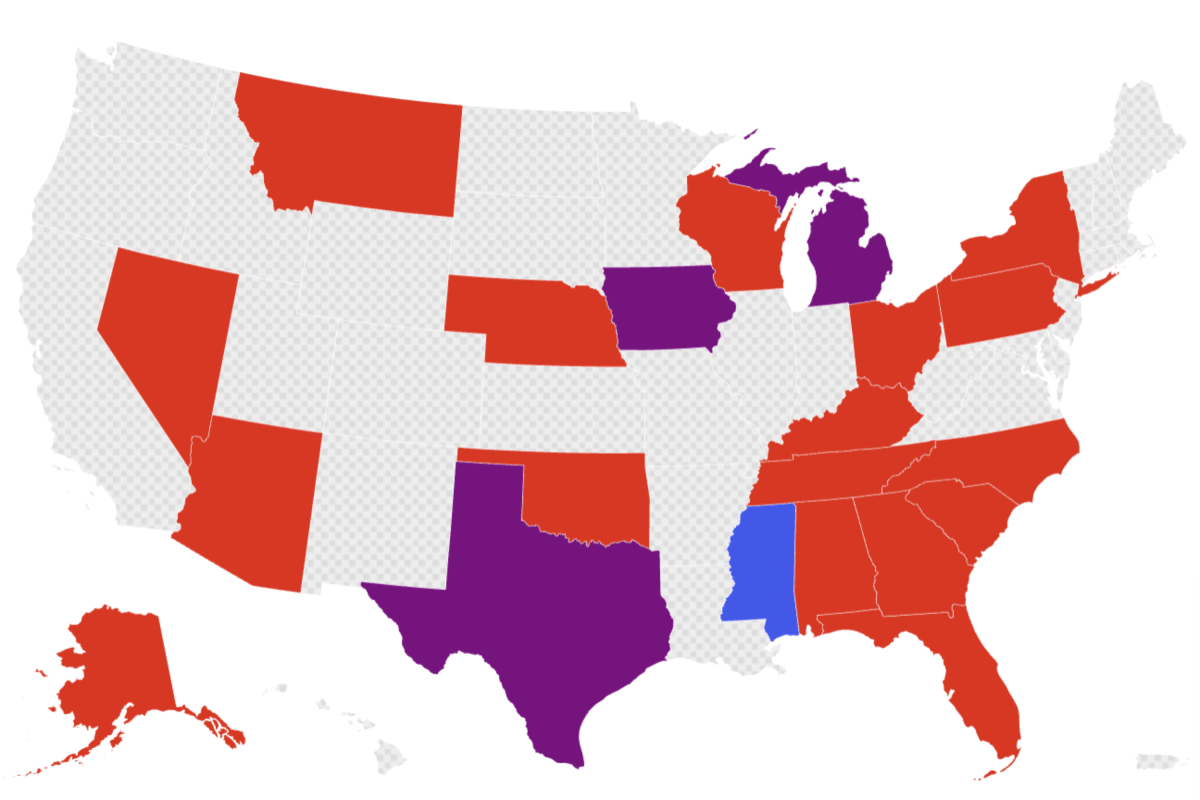
In the lead-up and the aftermath of the new building safety rules being implemented, sales of condos in Florida spiked, especially in the southern part of the state, as many owners tried to get rid of their units before facing a huge increase in HOA fees. The problem was that nobody wanted to buy them for the same reason, and condo values plunged just as upkeep costs rose. HOA fees spiked after new legislation took effect.
Extract — continue reading at the source.