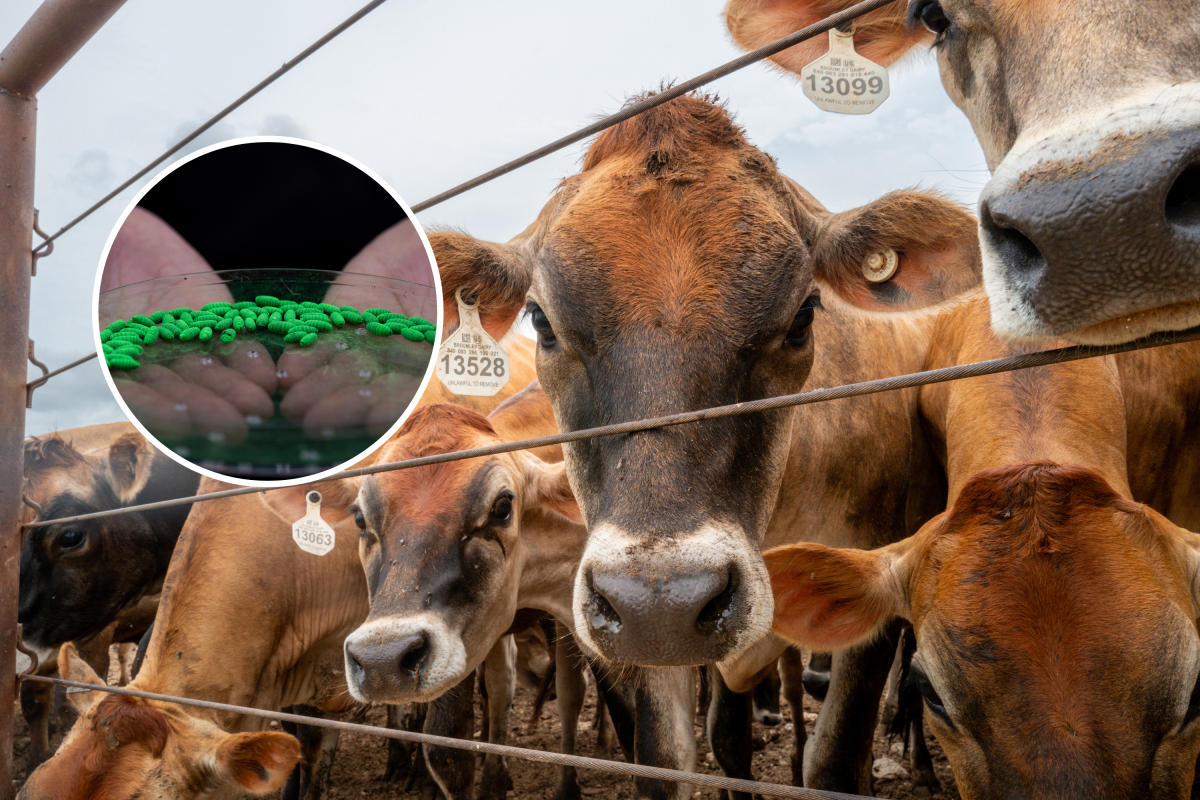
The federal government has authorized another weapon in the fight against the New World screwworm (NWS), a flesh-eating parasite that has spread into Texas and New Mexico and raised fears about the future of the U.S. cattle industry. The move comes as the Trump administration faces criticism from some ranchers, animal health experts and industry observers over separate decisions to reopen portions of the U.S.-Mexico cattle trade while outbreaks remain active on both sides of the border. Food and Drug Administration (FDA) issued an Emergency Use Authorization (EUA) for Bimectin, a generic ivermectin injection, to help prevent NWS infestations in cattle.
The agency said the drug can be administered within 24 hours of birth, during castration procedures, or when animals develop wounds that could attract screwworm flies. The authorization marks the FDA's 14th emergency approval related to the parasite since U.S. officials intensified their response to the growing threat. The authorization expands options available to ranchers as officials attempt to contain a pest capable of causing devastating injuries and significant economic losses.
FDA officials said the generic drug provides producers with an alternative to Ivomec, a pioneer ivermectin product that received emergency authorization earlier this year. The New World screwworm is not actually a worm but the larval stage of a fly. The parasite poses a unique threat because, unlike many other maggots that feed on dead tissue, screwworm larvae burrow into living flesh.
Female flies lay eggs in wounds or body openings, and after hatching, the larvae consume healthy tissue, causing severe injuries that can rapidly worsen if left untreated. The parasite can infect cattle, horses, sheep, goats, wildlife, pets and, in rare cases, humans. In livestock, infestations can lead to severe suffering, reduced productivity and death.
Veterinary experts have long considered the screwworm one of the most destructive livestock parasites ever to threaten North America. The U.S. eradicated the pest in 1966 through a decades-long campaign involving the release of sterile male flies, a strategy that disrupted reproduction and eventually collapsed wild populations. However, the parasite reemerged in Central America and has steadily moved northward in recent years.
In June, federal officials confirmed new U.S. cases in Texas and New Mexico, ending decades without domestic livestock infections and raising concerns that the outbreak could spread further into American cattle country. As of late August, federal reports cited dozens of confirmed domestic animal cases. The newly authorized product, Bimectin injection, contains ivermectin, a widely used antiparasitic drug.
Extract — continue reading at the source.