A homegrown medical device manufacturer from Niger seems an unlikely story in a world of massively scaled manufacturing and global supply chain optimization, but it was precisely this one-size-fits all approach that one startup believed was failing to serve local needs, opening up a niche in the market with regional scaling potential. Likita Care manufactures a suite of patient monitoring devices that track vital signs such as blood oxygen, heart rate, blood pressure and temperature, routing the data through an in-house software platform that allows real-time on screen monitoring, generating automatic alerts and using AI to detect and flag trends for further investigation. These type of systems are readily available on the medical device market.
What Likita's co-founder and chief executive officer Mamane Kabirou Ousseini noticed six years ago while working as a biomedical technician at Niamey General Reference Hospital was that many of these expensive devices were falling into disrepair and not being used because of lack of replacement parts. "Imported devices that we have in Niger had a bad life cycle. So a lot of them break down easily.
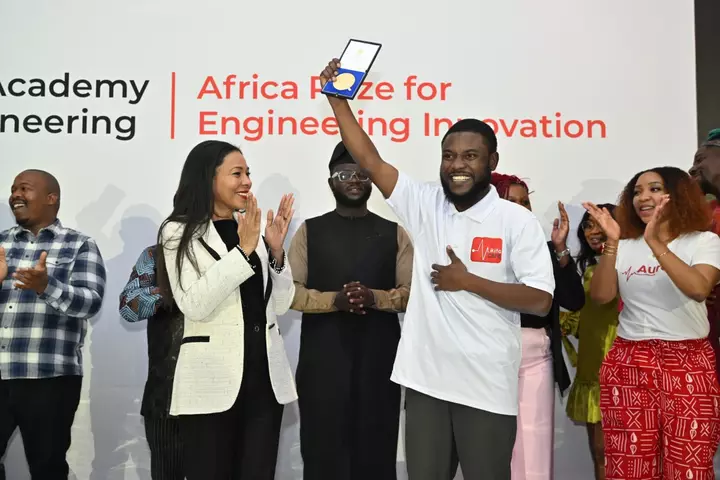
And when they break down, you don't have an ecosystem that can help the hospital repair the devices," Ousseini told Newsweek. The answer for Ousseini was to build the devices locally, with their own ecosystem and support. This insight saw Ousseini walk off with the 2026 Africa Prize for Engineering Innovation, a competition sponsored by the United Kingdom's Royal Academy of Engineering.
Open to entrepreneurs from sub-Saharan Africa, the prize offers £50,000 for the winner, training, and a network to support scaling. Ousseini said he is able to keep costs down, despite being at a disadvantage to large scale manufacturers, through a combination of locally manufactured parts and imported raw materials that attract lower tariffs. He expects costs to fall as production ramps up, but he believes his real competitive advantage is not cost but supporting the product through its life cycle.
"This makes our device much more advantageous than the imported ones," Ousseini said in an interview from Johannesburg, after picking up his coveted prize. Africa is considered a frontier market for investors, attracting those with the biggest risk appetite. One such investor, head of global frontier markets and a portfolio manager at Coronation, Peter Leger, said the main challenge is access to capital and opportunities for early investors to exit.
Never the less, he points to serious activity around African fintechs last month. Airtel Money listed in London with a $7 billion valuation and MNT-Halan listed in Cairo with a valuation of around $770 million. "There's no shortage of talent in Africa," Leger told Newsweek.
Extract — continue reading at the source.