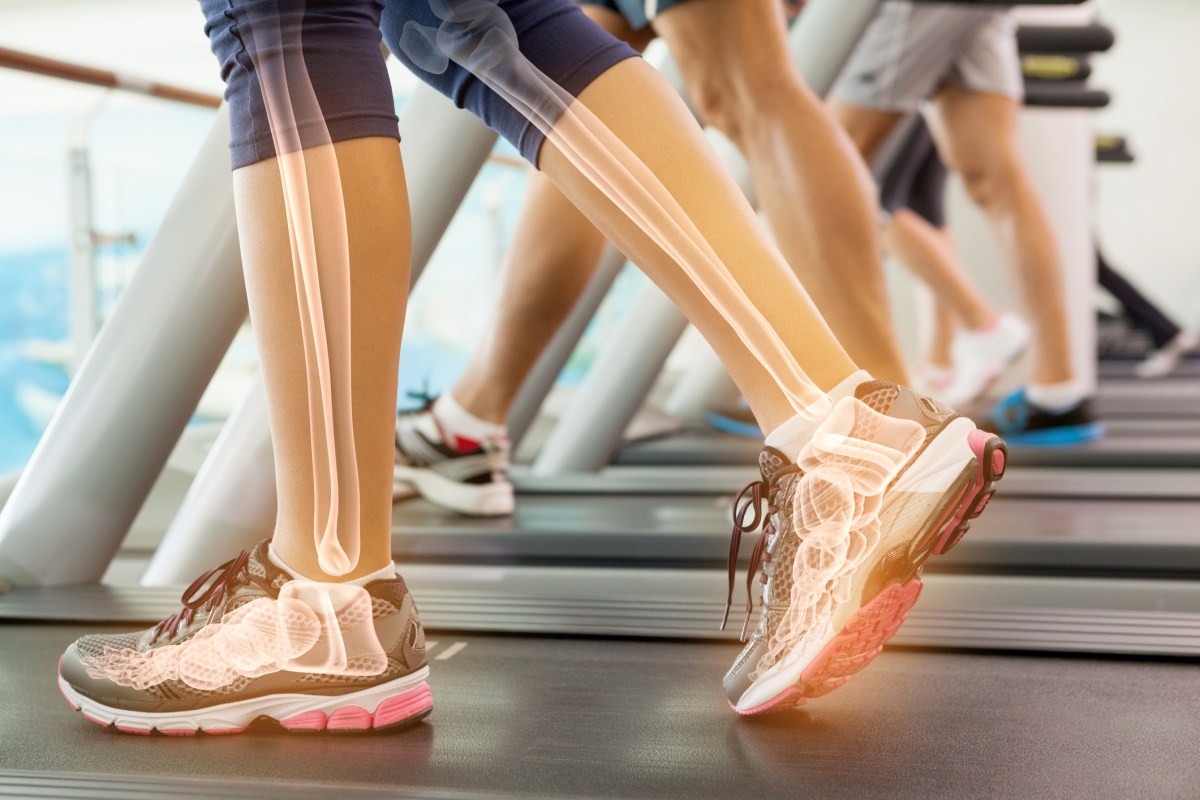
Wear and tear on our bones is a natural part of aging, but some everyday habits may be affecting bone health more than people realize. According to national health survey data and U.S. Census figures, an estimated 53.6 million Americans aged 50 and older were living with either osteoporosis, a disease that weakens bones and makes them more prone to fractures, or low bone mass.
Newsweek spoke to Carla Pozner, a registered osteopath who specializes in the musculoskeletal system, who shared five common habits that could increase the risk of poor bone health over time. Many people rely on coffee to get through the day, but drinking it in excess could come with drawbacks for bone health. Researchers from the Flinders University in Australia, who followed nearly 10,000 older women for 10 years, found that tea drinkers had slightly stronger hip bones, while consuming more than five cups of coffee a day was linked to lower bone density.
"I certainly wouldn't tell people they need to give up their morning coffee," Pozner, the founder of Carla Pozner Osteopathy who practices at The Portland Hospital in central London as well as her private clinic in North West London, said. "Caffeine can interfere with calcium absorption and bone metabolism," she explained, adding that moderation rather than restriction is key. "If you're drinking several coffees throughout the day, particularly alongside other lifestyle factors that can affect bone health, it may be worth looking at the overall picture." A 2022 study published by the National Center for Biotechnology Information, Sedentary Behavior in United States Adults: Fall 2019, found that U.S. adults spend an average of 9.5 hours a day sitting.
Nearly half of that time takes place during leisure activities such as watching television, browsing the internet or using a computer, highlighting just how much of daily life is spent being sedentary. "One of the biggest mistakes we can make for our bones is simply not using our bodies enough," Pozner told Newsweek. "Bone is living tissue and responds to the forces we put through it, which is why weight-bearing and resistance exercise are so important." She said activities such as walking, climbing stairs, dancing, yoga and strength training can all help support bone health.
"As an osteopath, I also think about the whole musculoskeletal system rather than bones in isolation: maintaining muscle strength, mobility and balance helps support our skeleton and, particularly as we get older, can also help reduce our risk of falls and fractures." Calcium plays a vital role in keeping bones strong. If the body does not get enough calcium from food, it will take calcium from the bones, weakening them over time and increasing the risk of osteoporosis. But Pozner said many people focus too heavily on a single nutrient.
"Our bones need much more than calcium alone," she said. "A varied, balanced diet with adequate calcium, vitamin D and protein is important for maintaining both bone and muscle health." Pozner said there is no single "superfood" for strong bones. Instead, she encourages people to focus on overall health through a balanced diet, regular movement, hydration and spending time outdoors.
Extract — continue reading at the source.