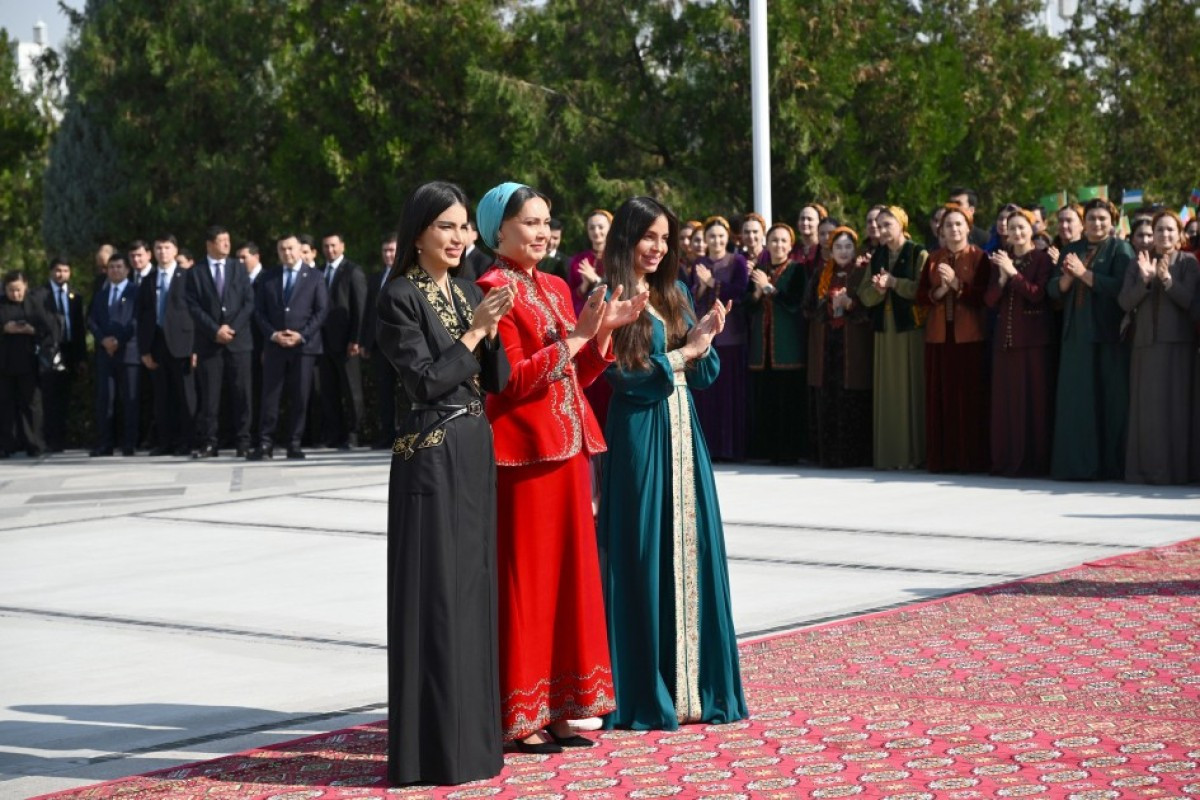
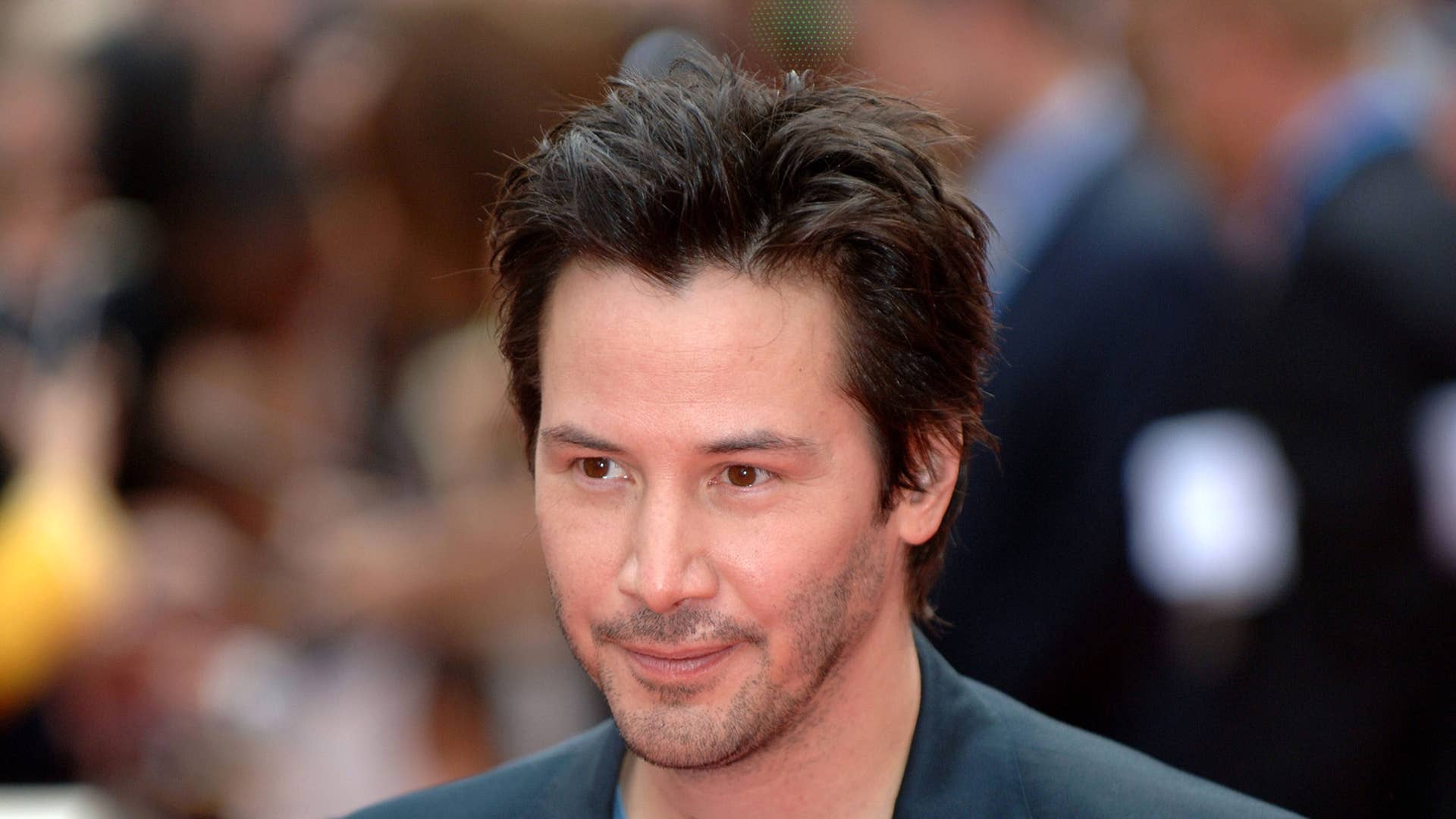
Iconoclastic Palestinian filmmaker Rakan Mayasi’s debut feature “Yesterday the Eye Didn’t Sleep” made a splash in this year’s Un Certain Regard in Cannes with its powerful, poetic treatment of a Bedouin community in Lebanon’s Bekaa Valley. This week it plays in a competition slot at the El Gouna Film Festival, where Variety spoke to the director. Inspired by Mayasi’s grandmother, it’s a story of two women who become pawns in a tribal blood feud, played out in a visionary style that owes much to Mayasi’s mentor Abbas Kiarostami, yet has its own rhythm and sensorial, at times almost feverish, point of view.
Following its Cannes premiere the film has been warmly received at other festivals, and will be screening at Montpellier’s CineMed followed immediately by the Rome Film Festival, in their Best First Feature section. International sales are being handled by Salaud Morisset. The film has several exceptional set pieces: it opens with a car in flames, in the middle there’s a stunningly hallucinatory wedding sequence, and it ends with an evocative longshot that plays with visual space.
When you and your cinematographer Pôl Seif were conceiving the film, did you have these already in mind? Some of it was already set and ready in our minds. For example, for sure the fire, it was there since the beginning.
I’m interested in metaphors and how to translate that visually, so with Pôl we had the idea that we zoom in so you feel that the car is getting closer to you and the fire is spreading. We were trying to translate what the metaphor could possibly look like. Whereas the end was rewritten, by the two of us, because it’s a very visual scene.
So we blocked it again three days before the shoot ended, and we rewrote it entirely. The wedding scene has been singled out by many critics for its visual beauty and the emotional shift it conveys. In that scene I allowed myself to get out of the narrative, so to speak, to change the rhythm and play with a kind of psychedelic approach.
It’s never really stated that this was the actual wedding, and when the one sister, Jawahir, is revealed as a bride, it is very theatrical. The idea was kind of like zooming into her subconscious, into her imagination of a celebration. It allowed me to play around.
Extract — continue reading at the source.