Parental perspectives are central in ongoing debates about genomic newborn screening (gNBS). This study examined (expecting) parents’ interest in gNBS in Germany. We hypothesized that condition characteristics (actionability, genetic penetrance) and personal factors (e.g., attitudes towards gNBS, anticipated coping, risk perception) predict parental interest in gNBS for their child.
We also investigated determinants of risk perception. In an online survey (N = 556; 60% women; M age=35 years), participants evaluated nine hypothetical case-scenarios that systematically varied penetrance and actionability. Data were analyzed using multilevel models, latent profile analysis and descriptive statistics.
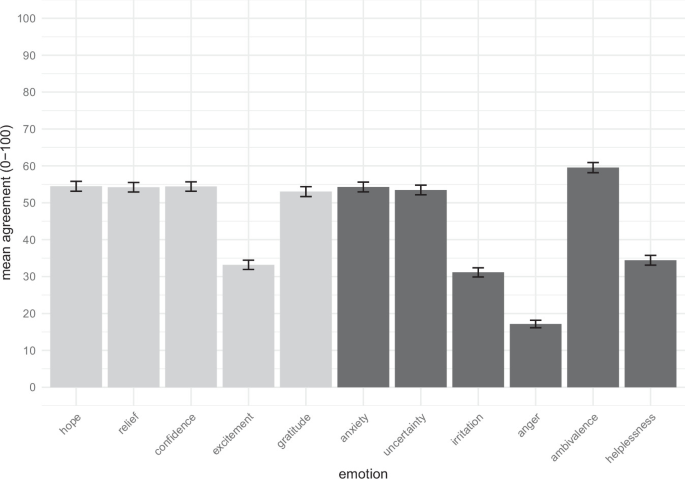
Overall, (expecting) parents showed a strong demand for information, driven more by perceived benefits than concerns. Two profiles emerged: one highly open and one seeking information more selectively. Across scenarios, higher interest in potential gNBS findings was associated with high actionability and moderate penetrance (50–74%) of possible target conditions, prior experience with chronic conditions, greater anticipated coping with test results, higher perceived probability of condition development, and more positive than negative attitudes toward gNBS.
Perceived probability (subjective risk) predicted interest better than objective risk (penetrance), but was itself well explained by penetrance. Diagnostic concern (worry about disease manifestation) was consistently higher than perceived probability across penetrance levels and more pronounced in women. Implications include avoiding the reporting of low-penetrance findings due to disproportionate diagnostic concern and providing decision aids to support informed parental decision-making.
Newborn screening (NBS) is a key element of secondary prevention in public health [1]. Traditionally, NBS has primarily used biochemical assays to detect conditions meeting specific criteria, such as early onset and availability of effective treatment. In Germany, 23 early-onset conditions (effective May 2026) are screened [2].
Advances in genome sequencing and decreasing costs have increased interest in incorporating genomic sequencing into NBS (genomic newborn screening, gNBS) to identify a broader spectrum of genetic disorders at birth and initiate treatment if available [3,4,5]. A central challenge is deciding which conditions to include [5, 6], especially late-onset, untreatable or uncertain conditions. Parental preferences for gNBS have been explored through qualitative studies [7,8,9,10], questionnaires [11,12,13,14,15,16], vignette-based studies [17, 18], and discrete choice experiments (DCEs) [19, 20], consistently showing high general interest in gNBS.
Extract — continue reading at the source.


