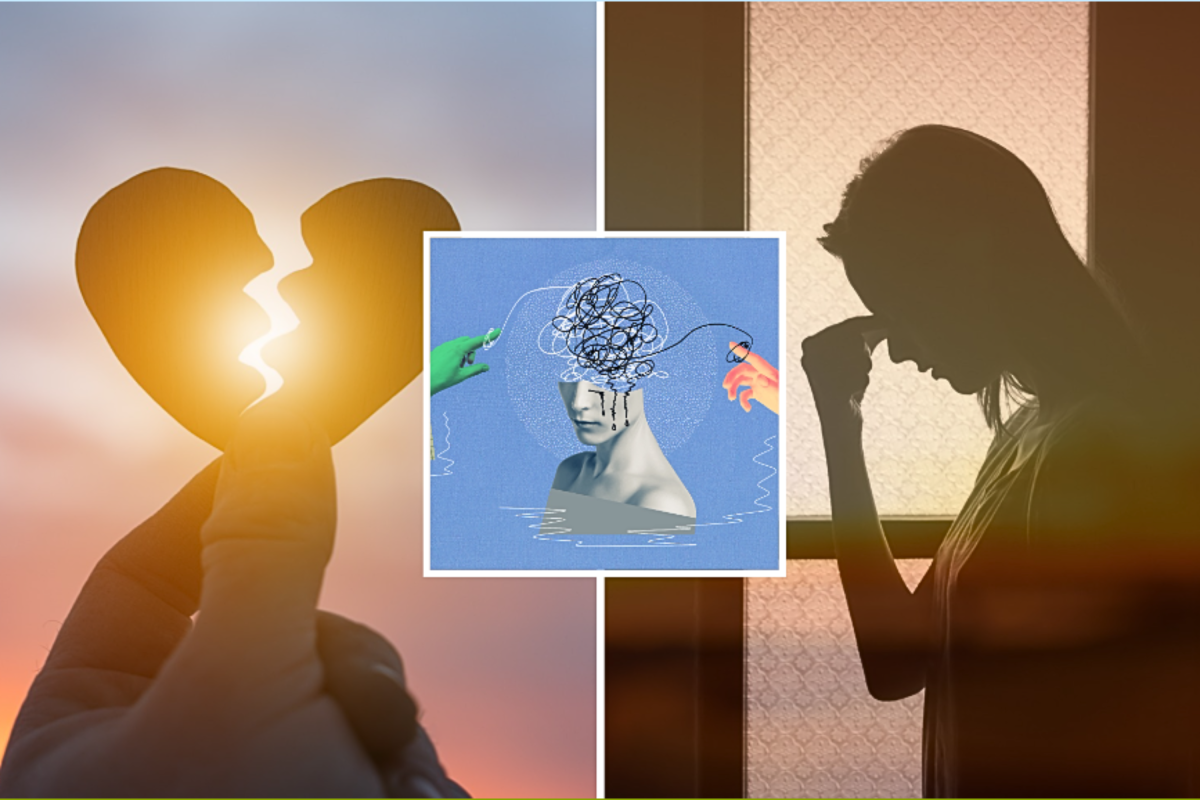
When 31-year-old Alexa V. feels the first flicker of a romantic connection, she starts mourning what could be before it has even had a chance to begin. "I don't feel excited when I meet men anymore, because ultimately, I know that it's going to end, or at least, that's what my brain tells me is going to happen," the Illinois resident, who requested that her surname be kept private, told Newsweek. "It feels like pre-grieving a loss that hasn't happened yet.
"I can become attached to the possibility of someone while simultaneously expecting that I'll eventually lose them." Alexa is young, attractive and boasts over 100,000 TikTok followers, and yet, feeling that she is a worthy partner and that any future relationship will last does not come easily. Judging by the comments she receives online when she talks about her feelings, she is far from alone. Alexa is one of a growing number of people naming the phenomenon that therapists say is quietly reshaping how a generation loves, dates and stays attached.
Anticipatory grief is the name given. It is an emotional state previously associated with terminal illness or the slow loss of a loved one, now surfacing inside relationships that have not ended—and may never end at all. "Anticipatory grief happens when you pre-imagine hurt or loss," Jeff Williams, a California-based therapist who specializes in grief, loss and anxiety, told Newsweek.
"It's a defense mechanism that alerts you to future hurt that might occur, or that will definitely occur, though without a dependable timeline. "We respond by assuming, expecting the hurt, even planning for it or losing the present moment as we are overwhelmed by the potential tragedy." Traditionally, anticipatory grief describes the mourning that begins before a death—when a family braces for the loss of a terminally ill relative, for instance. But clinicians say the same mechanism is now firing in romantic contexts, primed by a 21st century dating culture defined by ambiguity.
Carolina Estevez, a psychologist in New Jersey, told Newsweek that dating "provides opportunities to lose what we had imagined we would have done together in the past, such as the loss of having a safe or stable place." She added: "I believe that today's dating landscape leads to anticipatory grief, it creates so much ambiguity throughout every conversation with the people you meet." The effect, Williams said, is a pre-emptive mourning that hijacks connection before it can form. Though, he added, it is manageable and treatable. "In relationships, this might mean grieving a separation that you fear is coming," he said.
"It makes dating harder because you might already be preparing for the end, even before it begins, which gets in the way of connection and flow in the present." That risk intensifies, he said, for people carrying "past traumas like abandonment in relationships," who may scan new partners for signs of waning interest early on. Estevez pointed to the mechanics of app-based dating as an accelerant. In this context, someone "extremely interested" one moment can seem "completely disinterested" the next, with no explanation offered.
Extract — continue reading at the source.