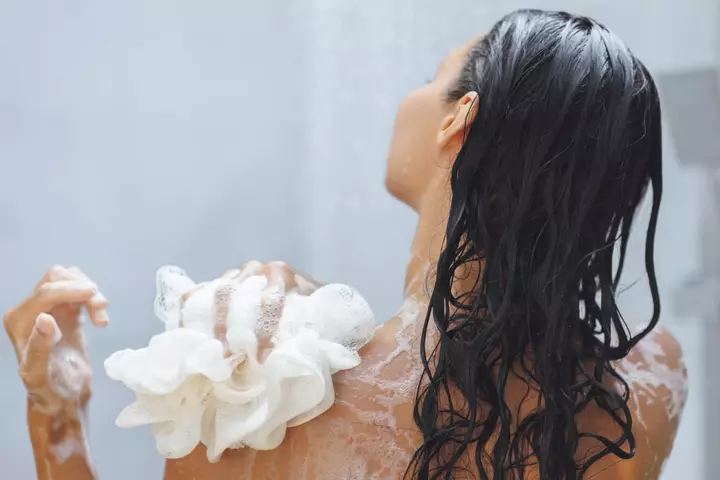
A shower after a long day can feel like the best thing in the world, but there is one way that you can make this experience even better. It may seem odd, especially for those that see showering simply as a way to get clean. But this one small change can have major benefits for both physical and mental health, according to online users and experts alike.
According to TikTok user Alex (simplysanfordco), dimming the lights while you take a shower can support your nervous system by lowering stimulation at night. The practice can also boost melatonin production before bed, making it easier to fall asleep faster. "Light exposure naturally suppresses melatonin production in the brain making it difficult to fall asleep and stay asleep," Dr.
Chelsie Rohrscheib, PhD, neuroscientist and sleep head researcher at Wesper, tells Newsweek. In fact, taking a warm shower at night already helps prepare the body for sleep on its own. "To initiate sleep, the body naturally lowers its core temperature by approximately 1 degree.
Taking a warm shower temporarily raises body temperature followed by a subsequent decline in core temperature after you step out," says Dr. "This cooling process can help support the body’s natural transition into sleep. Combining a warm shower with dim lighting can therefore support two important sleep-promoting processes simultaneously." But the benefits of a dark shower do not end there.
Alex says that the practice can help improve circadian rhythm by setting a clear boundary between night and day. Circadian rhythm is the pattern that your body follows on a 24-hour clock, which tells you when to wake up and when to fall asleep. This can also impact digestion, hormones and body temperature.
"Our circadian rhythm, which regulates when we're awake vs. asleep, is strongly influenced by light exposure. When light enters our eyes, it signals the brain to suppress melatonin, an important hormone that helps prepare the body for sleep," Dr. Rohrscheib shares with Newsweek.
Extract — continue reading at the source.