sözaltı news World
World
EN AZ
Pizza, pasta, potatoes, protein - how Italian children became so overweight

Pizza, pasta, potatoes, protein - how Italian children became so overweight

bbc.co.uk 26.07.2026 03:30 18 baxış
The Mediterranean diet was a blueprint for healthy living, yet Italian children are among the most overweight in Europe according to WHO.

Pizza, pasta, potatoes, protein - how Italian children became so overweightPublished26 July 2026 vice Global Health Reporter, in NaplesDaily life is not easy for Salvatore. At 17, he weighs 170kg (26st 10lb) and struggles to walk.He can't tie his own shoelaces and his Vespa scooter strains to bear his weight - in one week, its wheels broke seven times. "He eats constantly," says his mother Anna.

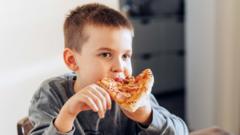
Salvatore is among a growing number of Italian children and teenagers living with obesity. The problem is particularly acute in the south: in parts of the Campania region, more than 40% of eight and nine-year-olds are overweight. The town of Ponticelli, on the outskirts of Naples, has earned the unenviable reputation as one of the world's child obesity capitals.

It is a striking development in a country long regarded as the spiritual home of the Mediterranean diet. Yet today, Italian children are among the most overweight in Europe, according to the World Health Organization (WHO).Salvatore is waiting for life-changing surgery at the Betania Hospital in Ponticelli, where Dr Sonja Chiappetta has spent 15 years treating patients with severe obesity.Until recently, she says, most of her patients were in their fifties. "Now I see those same patients when they're teenagers, as young as 16.

They are getting younger, and it's frightening." The surgery she carries out removes up to 90% of the stomach - meaning people are unable to eat large quantities of food. Demand has risen sharply in this part of Italy. But Salvatore has been told he cannot get the operation.

His weight is so excessive it makes the surgery too dangerous.Instead, Dr Chiappetta has prescribed him a GLP-1 weight-loss injection to reduce his appetite and help him lose enough weight for the operation. Ultra-processed snacks fill the shelves of a food stall in NaplesFor decades, Italy was held up as a model of healthy eating.The Mediterranean diet - rich in vegetables, legumes, olive oil, whole grains and fish - became famous after US physiologist Ancel Keys and his wife, biochemist Margaret Keys, studied communities in southern Italy in the 1950s and linked their habits to remarkably low rates of heart disease.Their research transformed a regional way of eating into one of the world's best-known diets; a blueprint for healthy living.But the Italy that inspired those studies no longer exists."The traditional Mediterranean diet has been lost," says Doctor Valter Longo, director of the Longevity Institute at the University of Southern California. "Only 10% of Italians really follow it."Dr Longo sums up the modern Italian diet with what he calls the "five Ps": pizza, pasta, potatoes, protein and pane - the Italian word for bread. g been regarded as the spiritual home of the Mediterranean dietThe transformation is visible everywhere: from supermarket shelves stocked with ultra-processed foods to pizzerias selling slices piled high with chips, sausages and fried snacks.Doctor Roberto Berni Canani, a paediatrician and obesity specialist at the Federico II University in Naples, sees the consequences every day."I've treated children who are just two or three years old and already weigh 25kg," he says.He says most parents don't recognise their children are overweight.

"They come to see me because of other problems - a cough, stomach pain, diarrhoea. They don't realise their child's weight is what's causing it."Italy’s child obesity time-bombItalian children have become some of the most overweight in Europe - what can be done to help them?Listen on SoundsTen-year-old Francesca has a persistent cough and struggles to swallow. Doctors suspect an inflammatory condition of the oesophagus.She weighs 60kg (9st 6lb) - but that's not why her parents have sought medical help.Francesca says she eats bread with Nutella for breakfast, a chocolate-filled sponge cake as a snack, pasta with lentils for lunch and usually chicken for dinner."But she doesn't eat vegetables," her mother, Carmen, interjects.

Extract — continue reading at the source.

Read full story