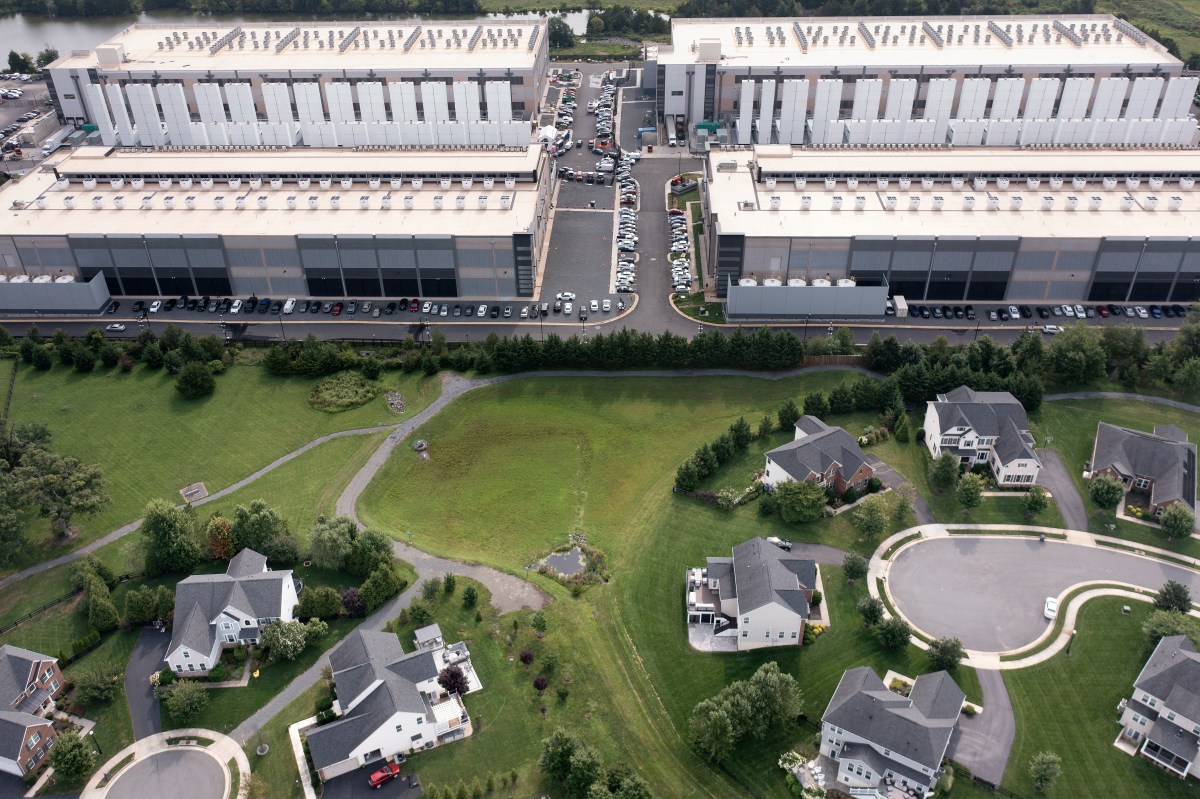
For years, artificial intelligence was largely an abstract political debate about chatbots, automation, and the future of work. Across the United States, the physical infrastructure powering AI has become a flashpoint in local politics, state elections, and community activism, uniting voters who rarely agree on much else. At the center of the debate are the vast data centers required to power AI systems.
Supporters argue they are essential to maintaining American technological leadership and competing with China. Critics counter that the facilities consume enormous amounts of electricity, require significant water resources, and can reshape communities with little local input. The result is a growing backlash that now stretches from rural Texas and Pennsylvania to New York suburbs and beyond, creating one of the few issues in American politics that appears to transcend traditional partisan lines.
Evidence of that opposition continues to mount. A June 2026 survey from Echelon Insights found that voters opposed building an AI data center in their community by a margin of 62 percent to 27 percent. Even after respondents were shown additional messaging about economic and technological benefits, opposition remained at 58 percent.
Just as notable was what voters appeared willing to accept instead. In the same survey, more respondents said they would support building a nuclear power plant in their community than an AI data center. According to Echelon Insights, support for a nuclear plant stood at 34 percent, compared with just 27 percent for an AI data center, while opposition to nuclear facilities was lower than opposition to data centers.
The finding represents a striking reversal of longstanding public attitudes. For decades, nuclear power plants have faced intense public skepticism over safety concerns, yet voters in 2026 expressed greater comfort living near a nuclear reactor than a facility housing the servers that power artificial intelligence. The result underscores how rapidly concerns about AI infrastructure, particularly its energy demands, water consumption and impact on local communities, have entered the public consciousness.
The reasons vary but are often consistent. Residents have raised alarms about water consumption, electricity demand, noise from cooling equipment, land-use conflicts, environmental impacts and the possibility of rising utility bills. One reason the issue has become politically potent is that opposition does not fit neatly into existing partisan categories.
Extract — continue reading at the source.