The development of artificial intelligence may be the most significant scientific breakthrough since the atom was first split. Heretofore, such stuff has been the province of science fiction. Now that it’s fact, it’s scary because it has the potential to change everything, including how we think.
As is usually the case with change of this scale, that’s predictable. AI’s arrival as something more than a futuristic notion is generating a climate of fear the guardians of the status quo have tapped into and spread, driving the narrative that the only wise course for us is to leave them in charge, regulating and controlling our progress. I understand well the human cost of such developments, but I’m all for creative disruption.
Let the market sort it all out. It will because it is a spontaneous transfer of more critical information than even the most advanced supercomputer can handle. As powerful as AI is now—or ever becomes—it won’t take over our lives.
We’ve seen these predictions before. Paul Ehrlich, author of The Population Bomb and other predictions of gloom, was wrong about just about everything. Technological luddites would leave us in the relative Dark Ages.
Why look to them and obey the great caution they urge now? There is a fear that AI will displace workers. It will, just as other innovations have for centuries.
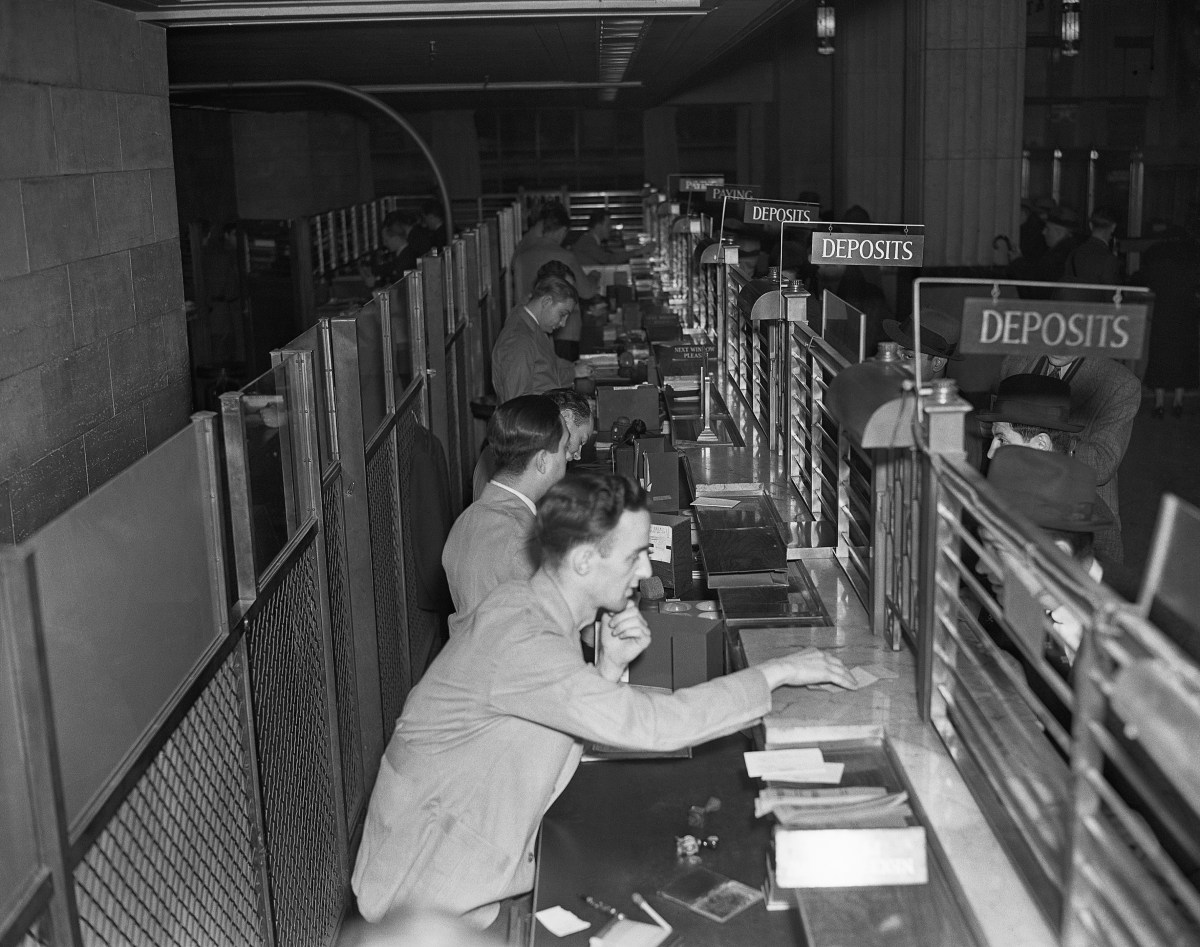
Most of the time, things turn out for the better, leading to higher standards of living, greater prosperity and the lifting of entire nations out of the historical muck in which much of humankind has dwelt throughout its time on earth. Think of the advent of the automated teller machine (ATM). It is one of the thousands of technological innovations that have contributed to workforce displacement, as it has created greater convenience, expanded choice, empowered consumers and improved the global financial system.
Extract — continue reading at the source.