The World Health Organization (WHO) has asked authorities in Russia for information surrounding the circumstances of the death of a woman who was suspected of contracting the plague. The death of Daria Shipilova, 28, who worked at a plague research institute in the Siberian city of Irkutsk, around 2,600 miles east of Moscow, was followed by the quarantining of hospitals and dozens of people being placed under observation, according to Russian media reports that are unconfirmed by Russian authorities. Russia's public health agency, Rospotrebnadzor, has not confirmed the death as a case of the plague and its explanation of the death as being from a "pneumonia of unknown etiology" appears at odds with sources quoted by Russian Telegram channels, as much remains unexplained about the report.
In a statement to Newsweek on Monday, the WHO said it was aware of reports that a laboratory worker in Irkutsk had “died of severe pneumonia,” but that “to date, no cause of death has been officially confirmed, and laboratory testing is reportedly underway.” “Based on unofficial information available, the public health risk to the general population appears to be low,” the statement added. Axios reported that the White House said it was “aware, monitoring the outbreak, and assessing options," following reports of the incident. When asked for further information, the White House referred Newsweek to the State Department, which has been contacted for comment.
Newsweek has also reached out to Rospotrebnadzor for comment. Russia’s media environment is tightly controlled by the Kremlin and there are discrepancies between the explanations of the case from Russian officials, state-run outlets and independent Telegram channels. Shipilova worked at the Irkutsk Anti-Plague Research Institute of Siberia and the Far East, which researches and carries out anti-epidemic work on dangerous infections.
Founded in 1934 as an institute for plague control, the institute expanded to work with diseases like cholera, anthrax, and tularemia. Reports have emerged that Shipilova broke a test tube containing the pneumonic plague pathogen on September 25, although this incident remains unconfirmed. The WHO lists three main clinical forms of plague infection—bubonic, pneumonic, and septicemic.
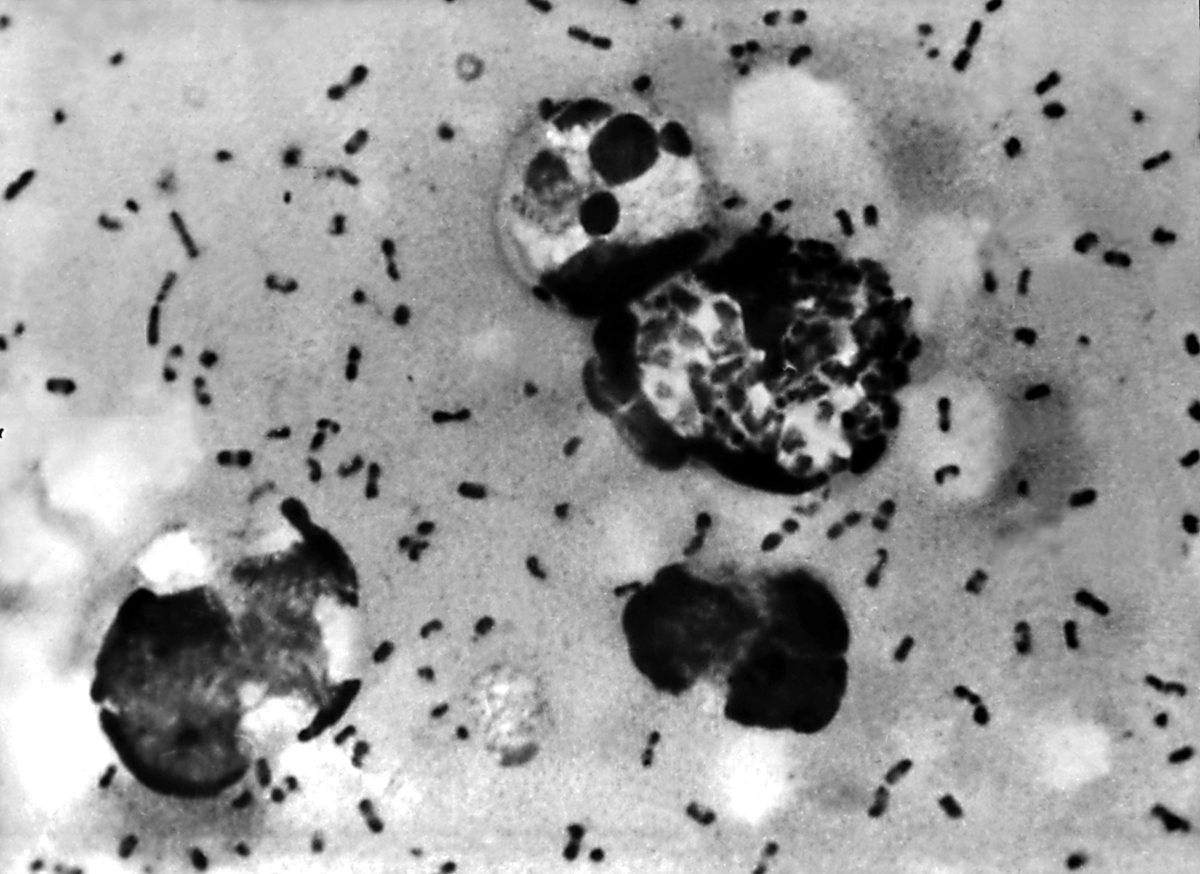
It says that pneumonic plague is caused by the bacterium Yersinia pestis, which is usually found in small mammals and their fleas. Shipilova was hospitalized at the Shelekhov District Hospital, Irkutsk, on September 29 with severe pneumonia and died overnight on October 1, according to reports. A former colleague said that, according to Siberia Realities, the Siberian service of the U.S.-government-funded outlet Radio Liberty, relatives were told by doctors that her symptoms were from a severe form of COVID, and she was connected to a ventilator.
Reports in Russia also referred to the patient’s expertise in the plague bacillus. According to state-backed REN TV, Shipilova had studied the body's immune response to the infection caused by the bacteria. She was also among the authors of the report released in March about the impact of antibacterial drugs on Y. pestis.
Extract — continue reading at the source.


