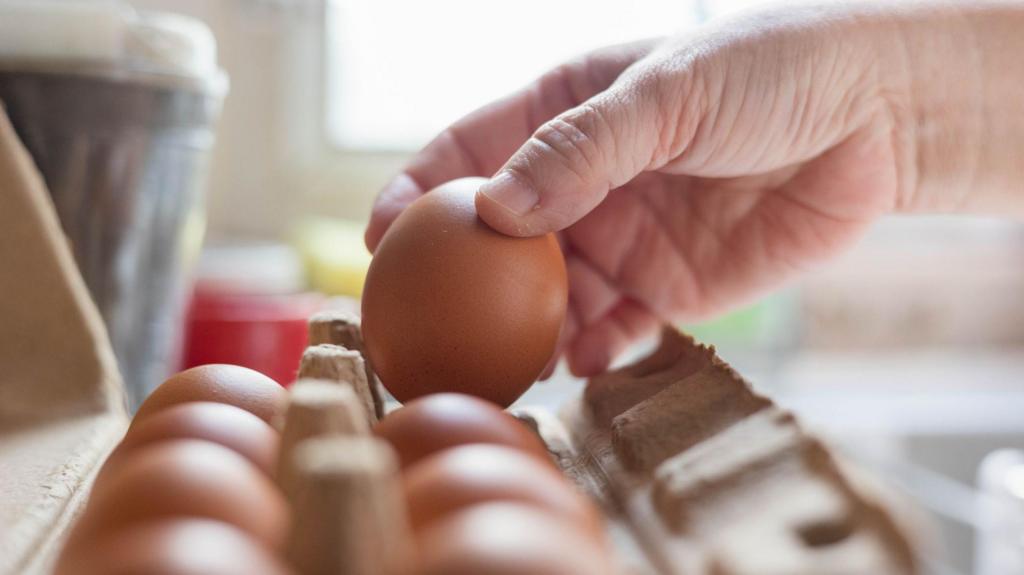
The UK Health Security Agency (UKHSA) has recently declared a national outbreak, external of salmonella food poisoning after one person died and hundreds more fell ill with the bug. Although not yet proven, imported eggs or products containing them are the leading suspects as to the cause. Evidence also suggests people caught the bug while eating out, rather than at home - with catering and food services such as restaurants or cafes likely to play a part.
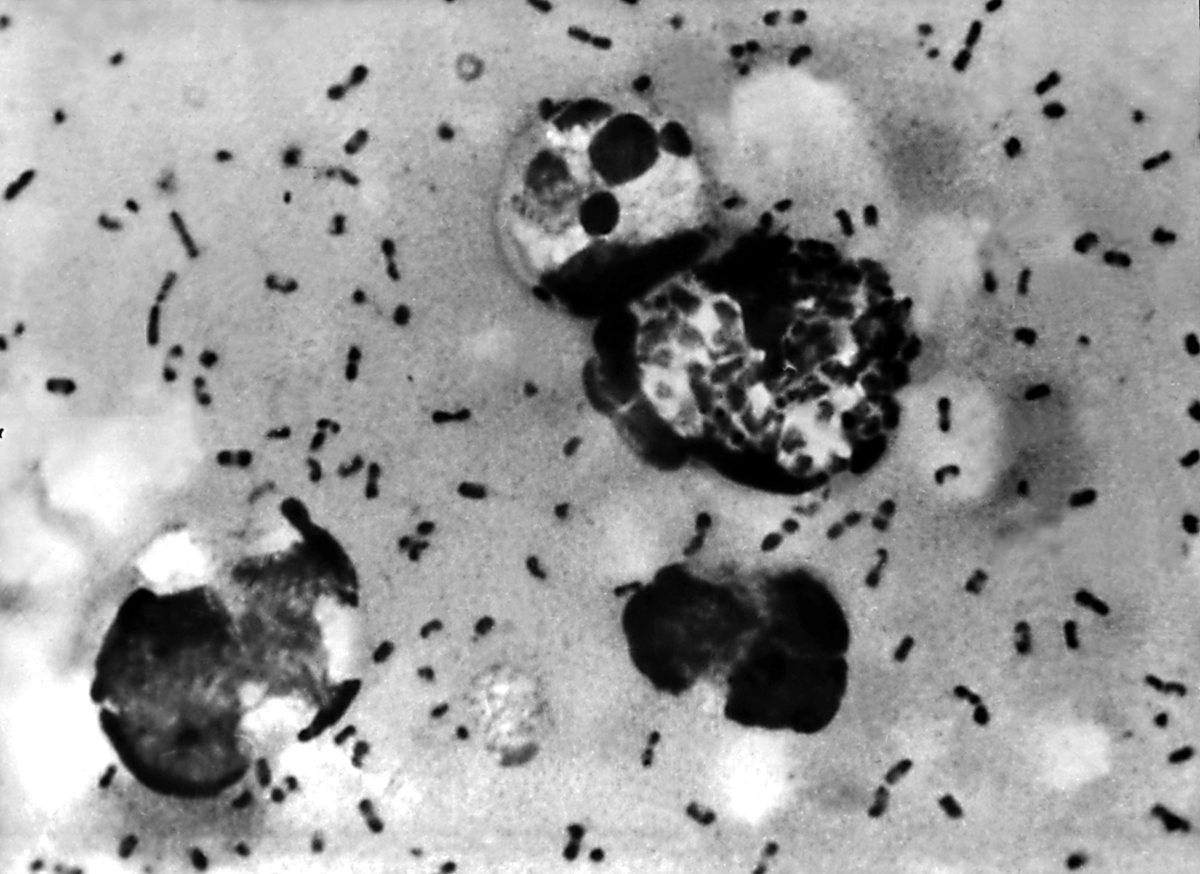
But there is still a lot to be discovered. What do we know and what questions remain? Salmonella are a family of bacteria that typically live harmlessly in the digestive tract of animals including cattle, pigs and chicken - which is why eggs and poultry are among foods commonly associated with the infection. eating contaminated food that has not been cooked properly coming into contact with infected animals cross contamination after mixing raw and cooked food in the kitchen for example Signs to watch out for include stomach cramps, diarrhoea, vomiting or fever.
These usually develop between 12 and 72 hours after becoming infected. In most cases people recover without further help but older people, babies and people with weakened immune systems are at greatest risk of severe disease. Hospital care with fluids and sometimes antibiotics can help in these cases.
Anyone who is concerned should contact their GP or out of hours service in the first instance. Yes, cooking eggs and other food thoroughly can prevent infection. Other ways to protect yourself include washing your hands before preparing food, after using the bathroom and after contact with animals.
The majority of cases recently - 199 of the 207 - have been in England, including 47 in London and 38 in Yorkshire and Humber. There have been six cases in Scotland, one in Wales and another in Northern Ireland. While the cases are spread out, scientists used a type of comprehensive genetic fingerprinting called whole-genome sequencing, which revealed the bugs involved are all closely related.
Tests show there are only a handful of differences in their DNA sequences, which indicate the infections are part of the same outbreak, with a common source. Genetic testing of the bacteria suggests there are similarities with a previous outbreak involving imported eggs. UKHSA experts questioned 114 people involved in the current outbreak and their answers indicate that eggs provide the "strongest signal" or clue.
Extract — continue reading at the source.