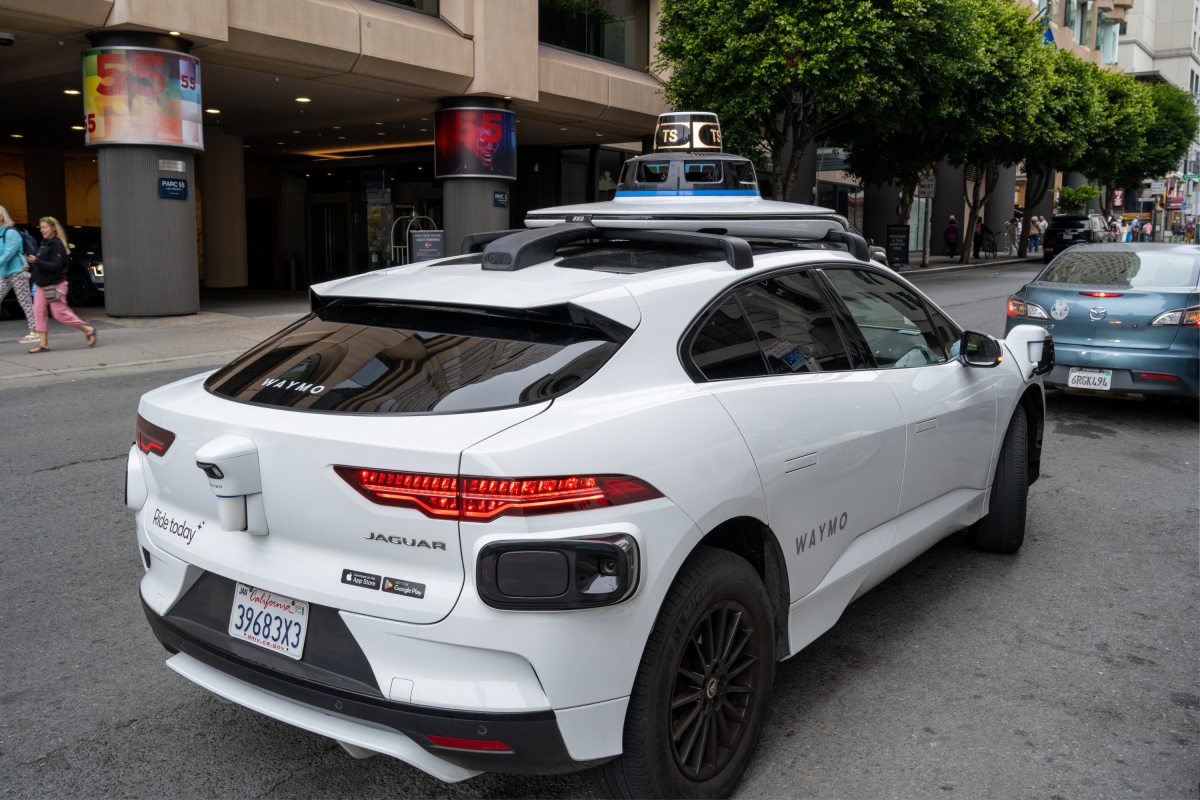
San Diego has become the latest battleground in the growing debate over autonomous vehicles, with city leaders pushing back against the rapid expansion of Waymo's driverless taxi service and calling for more control over how robotaxis operate on the city’s streets. San Diego City Council voted unanimously on September 14 to approve a resolution urging California lawmakers and Democratic Governor Gavin Newsom to give cities more control over autonomous vehicle operations, following Waymo's official launch of public passenger service in the city earlier this month. Currently, California regulates autonomous vehicles at the state level, with the California Department of Motor Vehicles (DMV) overseeing testing and deployment and the California Public Utilities Commission (CPUC) looking after the autonomous passenger service operations.
This leaves local government agencies with next to no control over how autonomous vehicles operate in their own cities. City officials insist they aren’t opposed to the technology itself. Instead, they believe that local governments should have more control over how autonomous vehicles affect public safety, traffic management, jobs and community infrastructure.
Sean Elo-Rivera, one of the leading council members who pushed for the vote, said: "I am not against the technology. I am against corporations taking the profit, working San Diegans taking the loss, and our city taking the risk while nobody here gets a vote. San Diego should not be a testing ground against our will and San Diegans should not be lab rats for an experiment run by tech billionaires." In the resolution agenda, council members raised concerns that San Diego has virtually no influence over Waymo's approval process despite the vehicles operating on their city streets, urging lawmakers and Newsom to "restore local control over autonomous vehicle passenger service operation, require responsible autonomous vehicle operation and protect vulnerable workers from job displacement." Another member of the council who was instrumental in pushing for the proposal was Marni von Wilpert, Chair of the Public Safety Committee who said, "Whether you're a rideshare user, a taxicab driver, or a first responder answering the call when something goes wrong, this resolution is about you.
It's about demanding control over what operates on our streets. Innovation is not the concern, innovation without collaboration, and at the erosion of workers and public safety, is." The resolution, therefore, states that it supports the federal AV Emergency Response Coordination Act (H.R. 10033), a federal bill, introduced by Kevin Mullin in August, that would establish national standards for how autonomous vehicle companies coordinate with police, firefighters, emergency medical personnel and other first responders. According to reports from local publications, including Fox5 San Diego and San Diego Drivers United, the resolution is calling for: Labor concerns are also central to the debate.
City officials and driver advocacy groups argue that widespread adoption of robotaxis could threaten thousands of taxi, rideshare and delivery-driving jobs across the region. Waymo argues that the concerns are overstated and points to safety data suggesting its vehicles are involved in significantly fewer serious crashes than human drivers. In a statement cited by Fox5, Waymo said it was "proud to provide San Diego with another transportation option that is safe, reliable, and secure," adding that "this ill-conceived motion could lead to the restriction of San Diegans’ transportation choices at the airport, hurting those whose needs are not met by the status quo." The company says it’s already worked closely with first responders, trained hundreds of local emergency personnel, and completed thousands of rides safely, saying that, based on over 220 million autonomous miles, which were driven through the end of March 2026, its vehicles were involved in 94 percent fewer crashes than human drivers, driving in the same areas.
Waymo now operates commercial or public services in a growing number of U.S. cities, including: It’s also testing or planning future operations in cities including Seattle in Washington, Charlotte in North Carolina, Detroit in Michigan, Washington, D.C., Portland in Oregon, and others. San Francisco is one of the most public flashpoints in the robotaxi debate. Residents and city officials have frequently raised concerns about vehicles blocking traffic and emergency vehicles before autonomous services expanded across the state.
Extract — continue reading at the source.