Iranian authorities have arrested a lawyer who helped organize and publicize a prison marriage between a young man who was executed the following day over the 2026 anti-government protests and his fiancee, who was also in jail, rights groups said Monday. Alireza Sepahi, 25, and his partner Mahshad Kashani, 22, were married in a ceremony conducted over the telephone by their lawyer and attended by their fathers on the eve of Sepahi's execution on Oct. 5. Both were arrested and were being held in separate prisons in the central city of Isfahan over their participation in the nationwide January protests that shook the Islamic republic.
Lawyer Amirsalar Davoudi was arrested Sunday by plainclothes forces while attending a hearing at the Isfahan Revolutionary Court to defend Kashani, who is serving a five-year prison term, the Dadban Iranian legal affairs monitor said, according to French news agency AFP. "Criminal prosecutions against lawyers - particularly those handling political, security, and human rights cases - have in recent years become an ongoing pattern," it said. The arrest was also confirmed by the U.S.-based Human Rights Activists News Agency (HRANA), which said Davoudi's whereabouts were unclear.
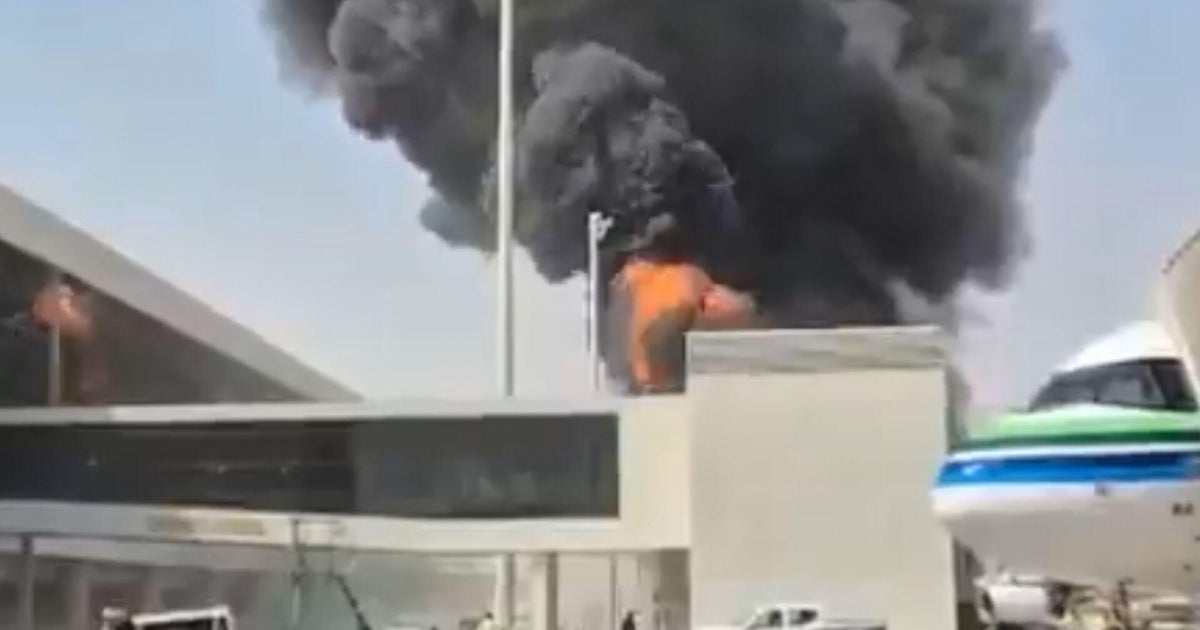
Rights groups say Iran has in recent months executed 34 people in connection with the January protests in a bid to intimidate society and prevent further demonstrations. In 2025, the country doubled its use of executions, according to Amnesty International. Saudi Arabia's General Authority of Civil Aviation on Monday extended the temporary closure of King Khalid International Airport in Riyadh after it was struck by Houthi missiles twice over the weekend in attacks that killed 14 people .
GACA said in a statement that it would extend the suspension of all operations at the capital's airport "to complete the necessary procedures to verify the safety of the airport's facilities and their operational readiness, in coordination with the relevant authorities." The airport has been closed since Saturday, when a Houthi strike killed 13 people, including a U.S. citizen. One more civilian was killed Sunday in a subsequent strike, and attacks last week by the Iran-backed rebel group killed six people. Iranian Foreign Minister Spokesperson Esmail Baghaei blamed the U.S. and Israel on Monday for the ongoing disruption to commercial shipping traffic through the Strait of Hormuz.
During his weekly press briefing, Baghaei noted that before the U.S. and Israel launched joint airstrikes on Iran at the end of February, the Strait of Hormuz was open. "Everything we are witnessing in the region" was a result of the "actions of the United States and the Israeli regime," including the economic consequences of the disruption to shipping through the strait, Baghaei said. "If the governments that are concerned about this situation are genuinely serious about their concerns, they should address the party responsible for creating this situation and seize every opportunity to compel the United States to stop its acts of aggression," he said.
Tehran and Washington both claim to have control over the strait, and they are imposing competing blockades in the Persian Gulf and the strait. President Trump has offered various justifications for launching the war on Iran, but has recently stressed it as a necessary means of ensuring the regime in Tehran cannot build a nuclear weapon. Houthi fighters have ramped up their siege of the Yemeni city of Taiz, where fighting has killed more than 60 people in the past 24 hours, military sources from both sides told the French news agency on Monday.
Extract — continue reading at the source.


