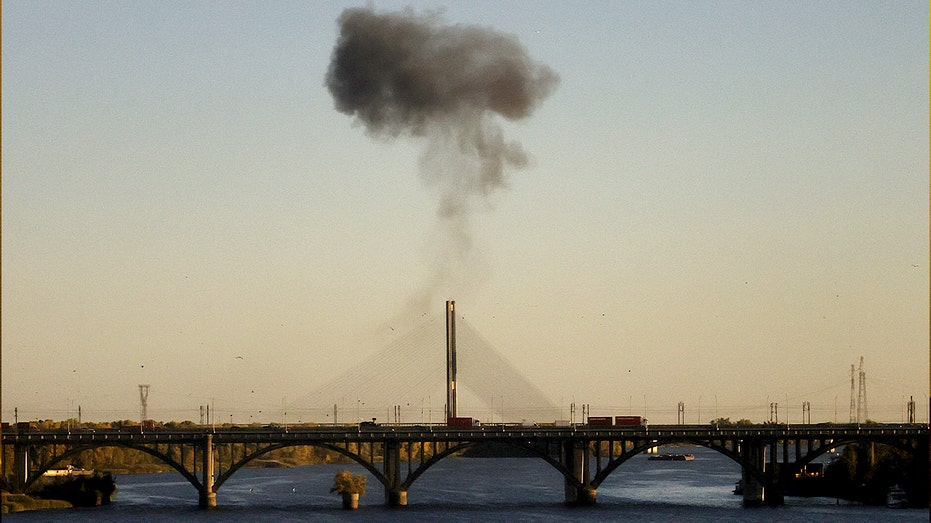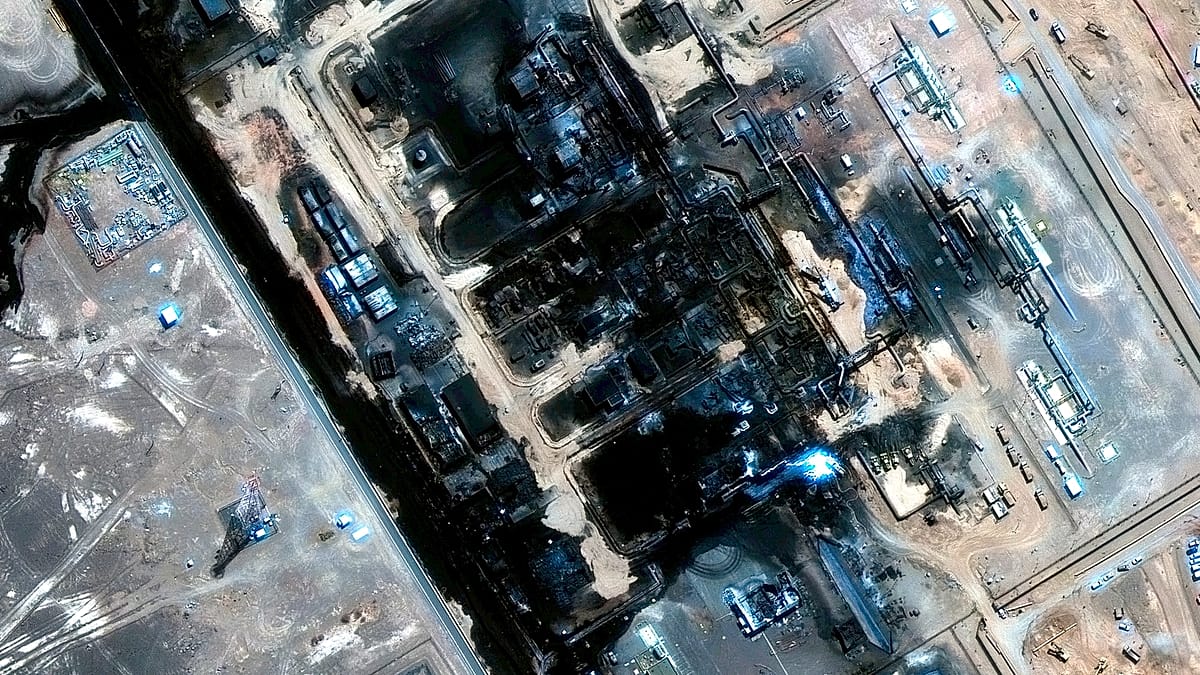
Saudi Arabia is relying on stored oil to maintain exports after drone attacks shut its East-West pipeline, threatening deliveries to buyers in Europe and Asia. Saudi Arabia’s energy ministry announced the shutdown on Friday as a precaution, after the pipeline was attacked in the Riyadh and Medina regions last Thursday. It said emergency and technical teams were securing the pipeline and checking its safety.
Saudi and Iraqi authorities said the drone attack originated in Iraq. The ministry’s announcement did not say when pumping would resume or give a full account of the damage. Saudi oil buyers and traders quoted in reports published on Sunday estimated that a prolonged shutdown could put at risk around 4 million barrels a day, or about 4% of global oil supply.
They estimated that oil stored at the Red Sea port of Yanbu could keep exports going for five to seven days. Saudi authorities have not confirmed either estimate. The effect on deliveries will depend on how quickly pumping resumes and how much stored oil is available.
Brent crude futures rose around 3% in early trading on Monday following further attacks on energy facilities and shipping in the Middle East. The roughly 1,200km pipeline carries oil from eastern Saudi Arabia to Yanbu on the west coast. It allows exports to leave through the Red Sea without tankers passing through the Strait of Hormuz.
Aramco said in May that it had increased pumping through the pipeline to its maximum capacity of 7 million barrels a day during the first quarter, helping maintain exports while shipping through Hormuz was disrupted. The pipeline also supplies refineries on Saudi Arabia’s west coast, so its capacity is not the same as the amount exported. The shutdown does not mean global oil supplies immediately fall by 7 million barrels a day.
Tankers can still load oil stored near export terminals, but those supplies will run down unless more oil arrives. From Yanbu, tankers heading to Europe can sail north through the Red Sea towards the Suez Canal and the Mediterranean. Egypt’s SUMED pipeline offers another route, carrying oil between the Red Sea and Mediterranean coasts.
Extract — continue reading at the source.