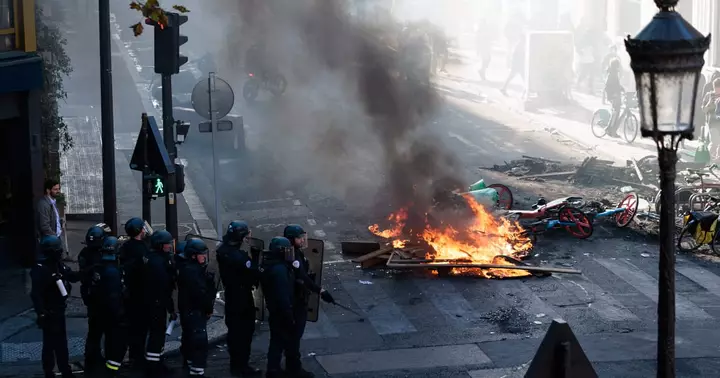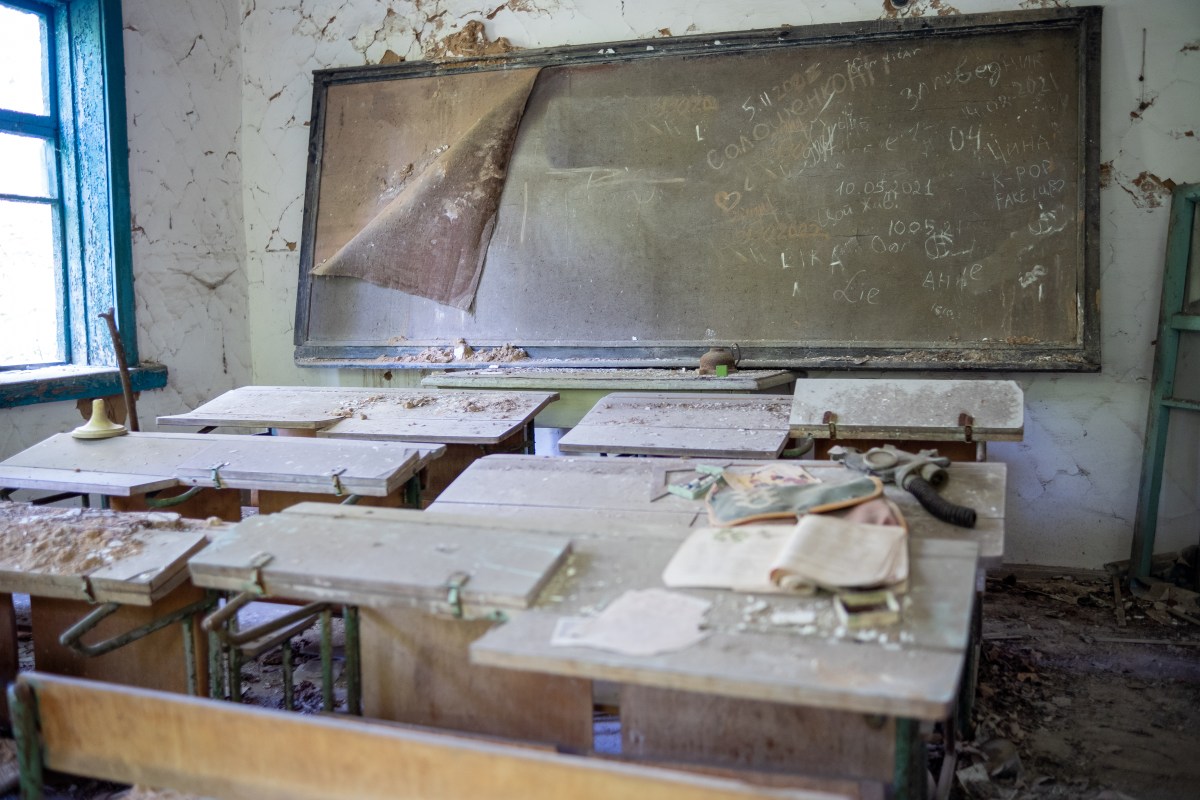
On September 9, the world marks the International Day to Protect Education from Attack, and it is particularly significant because for millions of children, this is not an abstract observance, but a description of their daily life. It is the child in Gaza trying to study after their school has been damaged or destroyed. It is the teacher in Sudan who continues lessons amid displacement and insecurity.
It is the student in Ukraine learning between air-raid sirens. I It is the family in D.R. Congo, Colombia, Haiti, Myanmar, Yemen, or elsewhere asking whether education can survive another wave of violence.
A school is never just a building. It is a place of safety, routine, protection, identity, and hope. When it is attacked, the consequences extend far beyond interrupted lessons.
Children lose structure, teachers lose the space to teach, families lose confidence in the future, and communities lose one of the foundations of recovery. The latest Education Under Attack 2026 report by the Global Coalition to Protect Education from Attack records at least 8,566 attacks on education and incidents of military use of schools and universities in 2024 and 2025. That is more than a 40 percent increase compared with the previous reporting period.
At least 10,600 students, teachers, professors, and education personnel were harmed. These figures are a humanitarian warning, and a political test. For too long, the global response to attacks on education has been framed mainly around protection after harm has occurred.
Attacks are condemned, damage is assessed, appeals for humanitarian and education access are launched, and rebuilding occurs to the extent it can. All of this is necessary, but it is not enough. The next phase of global action must be more ambitious, and education must be designed in a way that deters the objectives and utility of an attack.
Extract — continue reading at the source.