People like to say we have more computing power in our pockets than NASA used to get to the moon, but even that understates things. The Apollo guidance computer had a measly four kilobytes of RAM, while the iPhone 17 Pro Max has 12 gigabytes—an increase of roughly three million-fold. Of course the Artemis II astronauts who visited the moon earlier this year had state-of-the-art technology, not just housed in the vehicle, but in their pockets as well.
Each one was given an iPhone 17 Pro Max (with no internet connectivity) to document the lunar surface. Read more: “The Best Photos of the Artemis II Mission” And they got a second set of screens as well. NASA issued the team Microsoft Surface Pro tablets so they could quickly and easily annotate images. (If you’re curious why they didn’t go with iPads, the Windows-powered machines were easier to integrate with NASA computers.) Now NASA has released images of some of their notes.
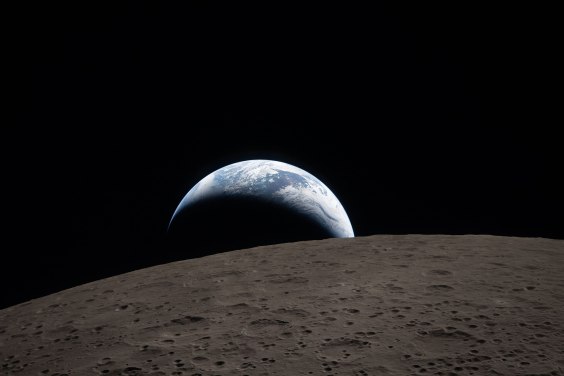
To us, the moon appears to be various shades of grey and white, but up close there are subtle differences in color. The handwritten text and circles document the nuanced hues the astronauts saw on the lunar surface. The top brown area indicates a region with higher iron deposits, while the lower greenish area signifies the presence of glass formed by past volcanic activity or asteroid impacts.
Blue (not pictured but observed) indicates an area containing titanium-rich volcanic rocks, according to NASA. The second image was taken when the crew passed behind the moon and observed the seldom-seen dark side. There, cut off from the light of the sun, they were able to see flashes from micrometeoroid impacts.
Members of the crew witnessed five in total, but not everyone saw all of them. The crew used different colors (Reid Wisemen = blue, Jeremy Hanses = red, Victor Glover = green) to document the location of the impacts and who caught a glimpse of them. Judging by the audio of the events, they were pretty exciting.
NASA audio of the Artemis II watching micrometeoroids slam into the dark side of the moon. NASA We’ve come a long way from bulky cameras and pricey antigravity pens and paper. Subscribe to our free newsletter.
Extract — continue reading at the source.

/https://tf-cmsv2-smithsonianmag-media.s3.amazonaws.com/filer_public/5a/2d/5a2d2d01-d4ad-4e91-b743-52bae6648a07/boat_crossing_bubble_barrier_-_credits_the_great_bubble_barrier.jpg)
/https://tf-cmsv2-smithsonianmag-media.s3.amazonaws.com/filer_public/a7/7b/a77be531-cb07-4a9e-a6dc-155b6c26f63d/saint-helena-plantation-house-jonathan-the-tortoise-by-kevin-gepford-02.jpg)