While some midterms voters elsewhere are focused on familiar key issues, from immigration to inflation, Alaskans are debating salmon runs, bycatch limits, and the future of the state's fishing industry, issues that could help determine whether Democrat Mary Peltola unseats Republican incumbent Dan Sullivan to flip the state's U.S. Democrats have relatively few realistic opportunities to flip Republican-held Senate seats in 2026, making Alaska one of the most closely-watched contests in the country, alongside others including Maine, Texas, and Michigan, which could decide which party controls the chamber for the rest of President Donald Trump's second term. Alaska has not elected a Democrat to the Senate since 2008.
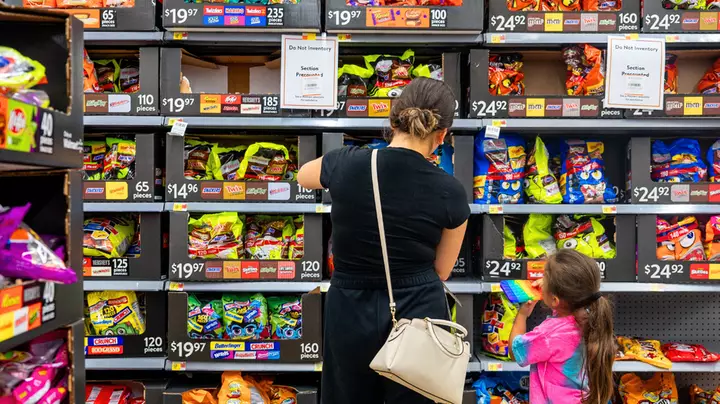
Alaska's unique voter make-up, along with its ranked-choice voting system, means the statewide leadership is not just based on partisan politics. "Alaskans, like Americans in every state, are being hammered by higher costs. Gas in rural Alaska is as much as $26 per gallon.
Heating fuel is expensive, groceries are expensive, everything is expensive. This is compounded in Alaska, because everything is being shipped up," Aubrey Wieber, executive director of the 907 Initiative, a political watchdog in Alaska which has campaigned against Sullivan, told Newsweek. He continued: "Unlike other states, there is a secondary, core issue facing Alaskans, which is trawl bycatch.
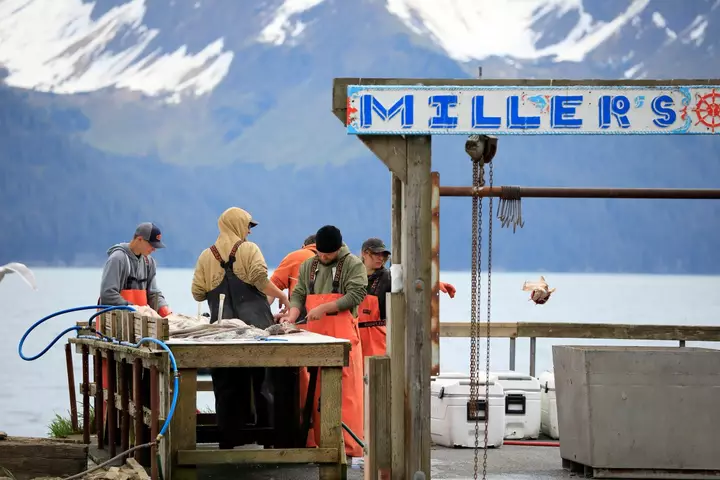
This issue has been bubbling up for years, and really comes from the grassroots. Before politicians were talking about the impact of trawl, Alaska's subsistence, commercial and sport fishers talking about it, and just about every Alaskan fits into one of those three categories." The fishing industry is crucial for Alaska, driving a large part of the state's economy while also facing significant threats. Commercial fishing has historically been one of the state's largest private employers, and among its most valuable exports, supporting fisherman, processors, shipyards, transportation providers, equipment suppliers, and wider coastal communities.
Unlike oil, fishing is spread across dozens of communities, rather than concentrated in a few regions, including Bristol Bay, Kodiak, and Prince William Sound. "Alaska is culturally tied to salmon. It's a critical food source in rural Alaska where you can't just run to the store and get whatever protein you want.
It's a literal livelihood, but it is also an identity," Wieber said. "People in Alaska have a deep respect and appreciation for salmon, and its abundance. But in places like the YK Delta, that abundance is gone.
Extract — continue reading at the source.