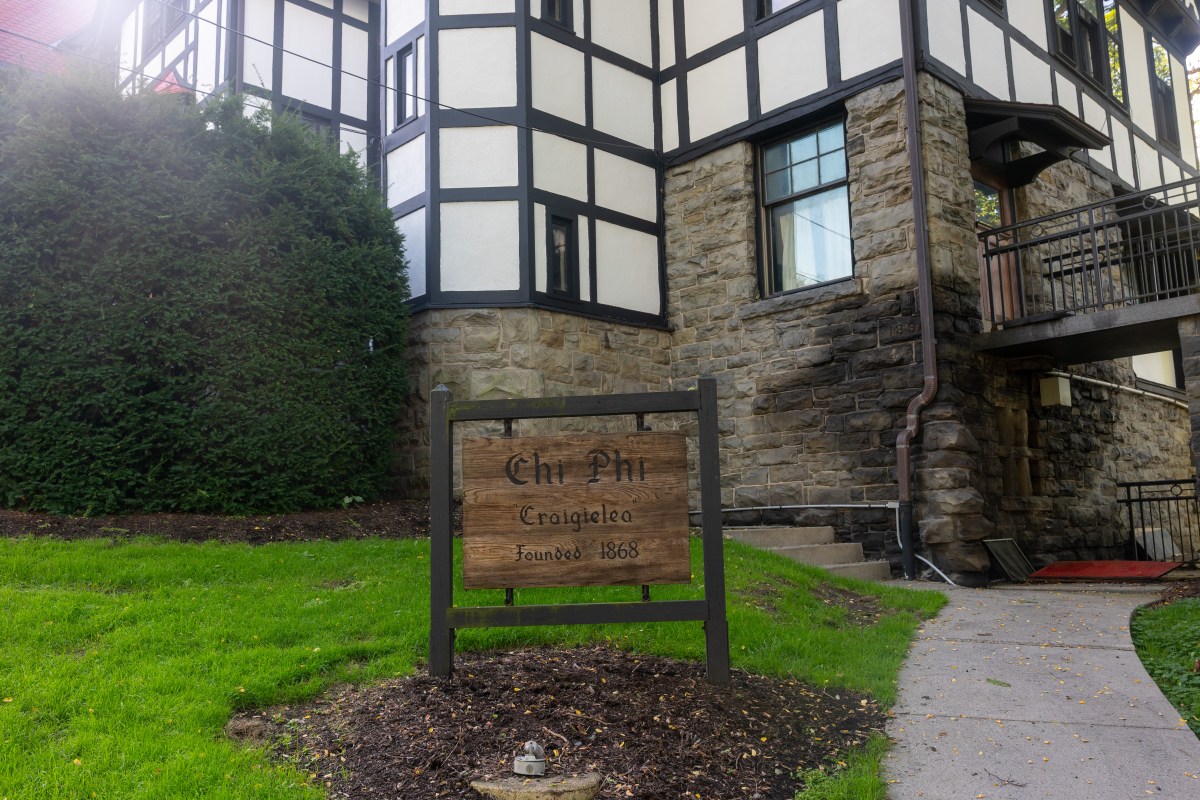
"Her story changed" is one of the most damaging sentences that can be said about a sexual-assault allegation. In the Cornell University case, newly released records have made that criticism central to the public debate over Jane Doe's account of what happened inside the Chi Phi fraternity house in October 2024. But a changed account does not, by itself, tell us whether an allegation is true or false.
That is a broader principle, not a conclusion about the Cornell case. Nothing in trauma research establishes that Doe's allegations are true and nothing here should be read as reaching a judgment about whether any of the men she accused committed a crime. No criminal charges have been filed, lawyers for two of the men have denied that their clients participated in a sexual assault, and New York Attorney General Letitia James has been appointed special prosecutor to oversee a renewed investigation.
What the science does suggest is narrower: in sexual-assault cases generally, memories can be incomplete, fragmented or understood differently over time. That means inconsistency may be evidence worth examining, but it is not a verdict. That understanding is particularly relevant in this case because Doe’s statements do not line up neatly.
According to records obtained by CBS News, she texted one of the men days after the encounter that her memory was "super clouded" and that none of the sexual activity had been illegal. Later that month, according to Cornell Title IX records, Doe said she came to believe she had been gang raped. By November 3, she was writing that most of what happened had been nonconsensual.
In a November 14 police interview, Doe distinguished sexual activity at the beginning of the night that she regarded as consensual from later events she described as coercive. She also reported gaps in her memory. The public debate that has taken place this week risks collapsing several different questions—what Doe remembered, when she remembered it, which encounters she considered consensual and what she later alleged—into the simpler claim that she changed her story.
Research provides a reason not to treat an inconsistent account as automatically discrediting. One small study of sexual-assault victims found that those who experienced greater dissociation during an assault were more likely to describe their memories as fragmented and their later police accounts as less coherent. But memory research also supplies a warning that trauma can help explain inconsistency without proving that a later recollection is accurate.
Extract — continue reading at the source.