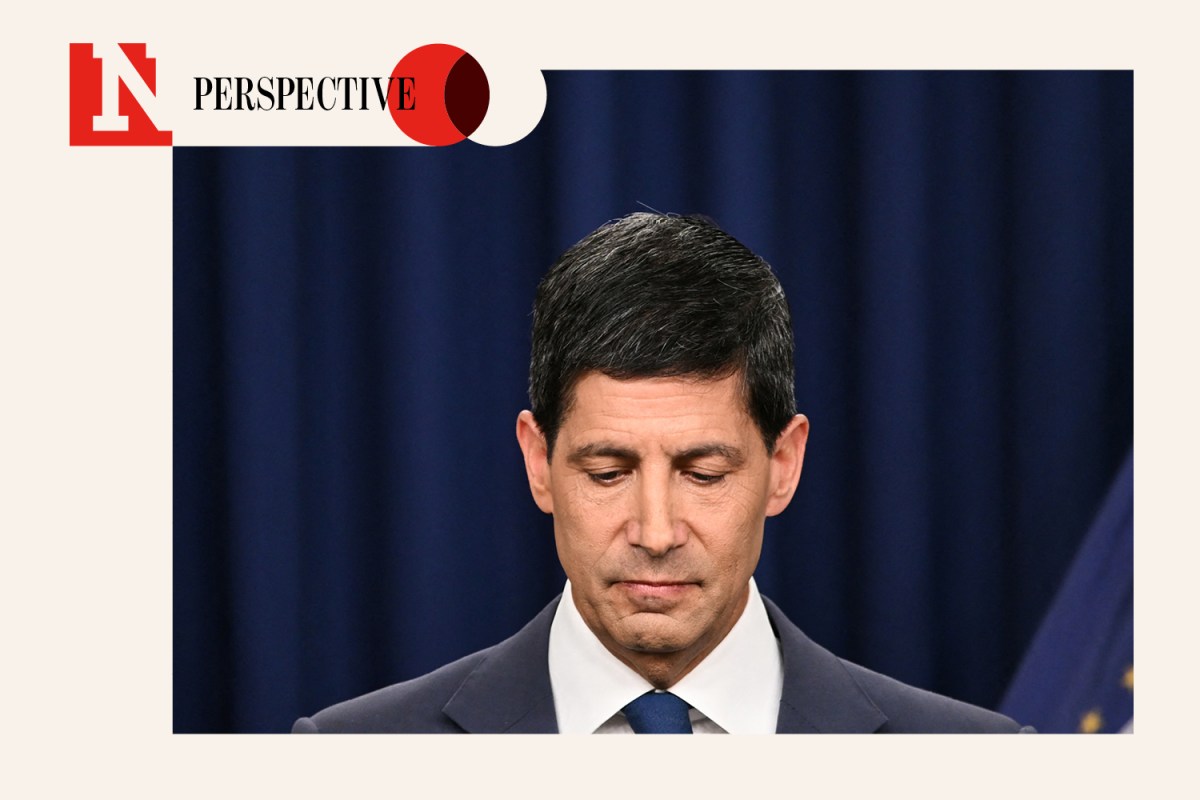
The canary is spluttering in South Korea, surrounded by the hot gas of AI hype, and it's not looking good. Federal Reserve Chair Kevin Warsh should keep a close eye on the sickly bird as he toils in the mines of American monetary policy. On Thursday, the Bank of Korea (BOK) raised its policy rate from 2.75 percent to 3.00 percent, its second increase in succession after a 25-basis-point hike in July.
South Korean policymakers are tightening into a semiconductor-led expansion that gives Warsh a live example of AI's awkward economic sequence. Investment arrives before productivity—with inflation pressures in between. This is an early-warning case rather than a template for the United States.
South Korea's boom runs heavily through semiconductor exports, while America's AI expansion is showing up through data centers, equipment, software and electricity demand. Yet the transmission mechanism now occupying the central banks of both nations is strikingly similar. A technology expected to lower costs eventually is first creating a price-inflating rush for capital, materials and skilled labor.
For Warsh, the timing is especially pointed. He is due to deliver keynote remarks at Jackson Hole on Friday, his first appearance at the symposium since taking office as chairman on May 22, with U.S. inflation still running well above the Fed's target. As always, that is the question.
The AI boom may force Warsh's hand and his rate-setting board. A heavily indebted America—and a vengeful president demanding rate cuts—is waiting. The BOK's explanation for Thursday's decision went well beyond an isolated jump in chip prices.
It said exports and investment were maintaining high growth because the semiconductor sector had been stronger than expected, while improving incomes were supporting a faster recovery in consumption. Core inflation rose to 2.6 percent in July, and the bank raised its forecast for core inflation to 2.5 percent in both 2026 and 2027. The link from AI hardware to household demand has been unusually clear in South Korea.
Extract — continue reading at the source.