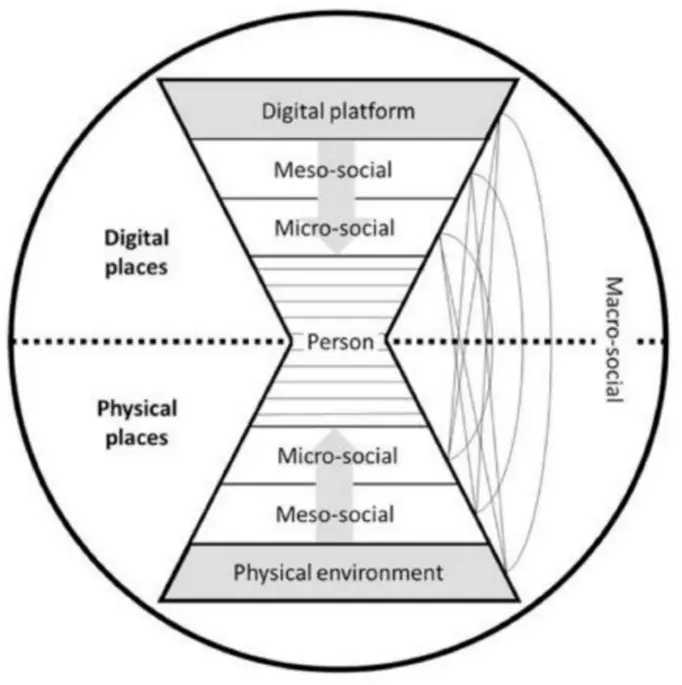
Generative artificial intelligence (GenAI) is increasingly used in higher education; however, little is known about what its use means for adult learners’ digital well-being (DWB) and quality of life (QoL). This mixed-methods study, which leaned towards a qualitative design (qualitative dominant), investigated these issues among adult learners at a university in Ghana. The quantitative phase involved 212 randomly selected respondents, while six (6) participants were purposively selected for the qualitative phase.
The survey findings showed that overall DWB was above the midpoint of the 7-point Likert scale (M = 4.58, SD = 0.76). The mental (M = 4.09, SD = 1.12), emotional (M = 4.51, SD = 1.29), and reverse-coded physical (M = 5.14, SD = 1.45) subscales indicated generally positive perceptions of digital well-being. However, item-level responses showed that a notable minority of participants still reported physical challenges, including disturbed sleep, changes in eating habits, physical discomfort, and reduced physical exercise associated with GenAI use.
QoL was measured using a 3-point substantive scale, with two non-substantive response options excluded from scoring. The QoL mean (M = 2.06, SD = 0.94) indicated modest gains in safety, control, activity engagement, and time efficiency. A digital storytelling analysis of the participants’ experiences revealed that the adults held ambivalent views about GenAI, reflecting both appreciation for its efficiency and anxiety over its encroachment on human creativity and authenticity.
The coping strategies adopted included developing a critical distance and self-awareness, re-engaging human connection and support networks, mindful regulation and intentional use, and transforming frustration into learning. It is recommended that adult educators prioritise the digital safety of adult learners. Artificial intelligence (AI) technologies are disruptive innovations in this intelligent era that higher education institutions hope to leverage to support teachers, students, decision-makers, etc.
AI technologies have the potential to drive advancements in higher education1,2 and are currently intertwined with higher educational activities in diverse settings3,4. However, the recent developments in AI have sparked a mix of enthusiasm and fear, signaling a broad spectrum of emotional reactions towards it5. As adult learners in higher education increasingly engage with advanced AI technologies, they face unique challenges that can impact their mental health, social interactions, learning, and overall quality of life (QoL): the extent to which a person obtains satisfaction from life (APA dictionary, nd).
Septania et al.6 explains that QoL is a distinct construct but closely tied to well-being (being happy and healthy), and with the emergence of technology, there is a new focus on digital well-being (DWB), which involves well-being in the digital age. In delineating DWB as individuals’ affect (such as positive emotions), domain satisfaction (such as a person’s relationship or job), and overall life satisfaction in a digital environment, Büchi7 indicates that a normative stance is that technologies should enhance QoL. Septania et al.6 posit that DWB as a term reflects the evolving societal perspectives on the complex relationship between technology and QoL.
Extract — continue reading at the source.


