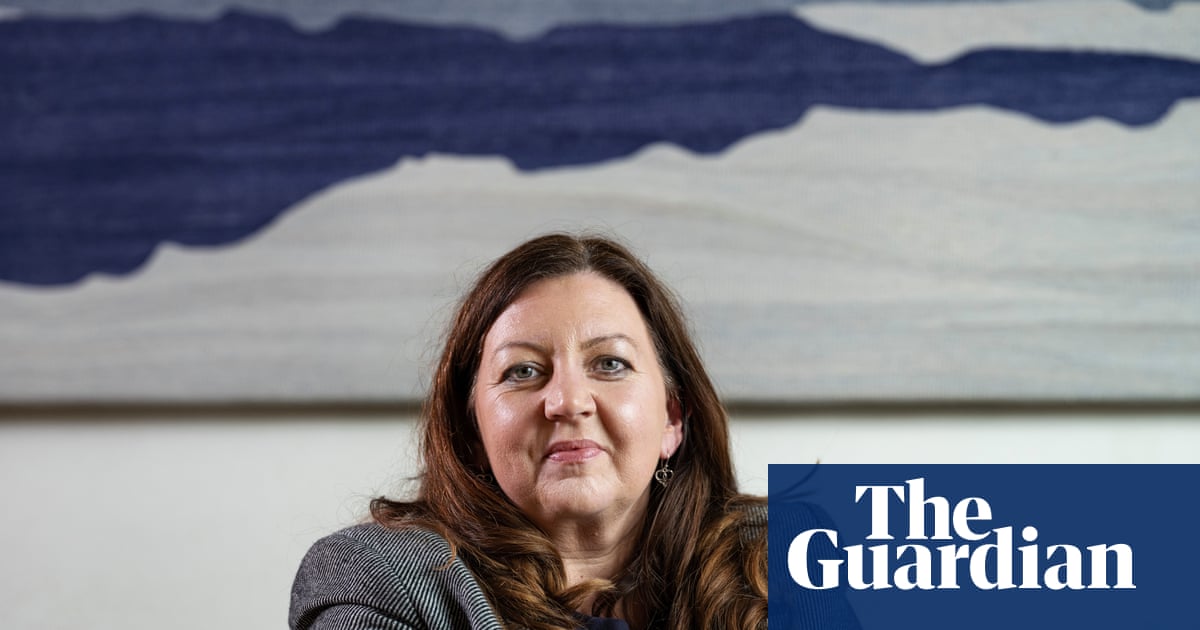
The development minister, Kirsty McNeill, has declared herself “a huge believer in aid”, as she reaffirmed Labour’s manifesto pledge to return to a target of 0.7% of national income spending. McNeill, a former adviser to Gordon Brown and senior executive at Save the Children, declined to give any timetable, repeating the formula that the government would work towards the target “when fiscal circumstances allow”. But she made a full-throated argument for the benefits of aid – as well as promising to build new “agile partnerships” to work on development challenges.
And I think it’s important that colleagues hear that underscored,” she said. Repeating the manifesto pledge that Labour made before the 2024 general election to return to 0.7% – instead slashing aid the next year – McNeill insisted that in the Burnham government, “everyone from the prime minister down is a believer in the spirit that animated that manifesto”. McNeill will be setting out her priorities in a speech to charities and campaigners at the New Economics Foundation thinktank on Monday.
She will announce that the government is making up to £15m available via its humanitarian crisis fund to support preventive action in countries most at risk from El Niño. The UN has warned that the climate phenomenon is likely to be the most severe in 1,000 years, exacerbating risks of wildfires and flooding. The 0.7% aid target was adopted by the Blair government and became a cross-party consensus, until it was set aside by Rishi Sunak in the depths of the Covid pandemic, as the government rapidly stepped up domestic spending.
Charities have warned that Labour’s more recent aid cuts, taking spending to 0.3% of national income, are causing sharp reductions in bilateral UK support to some of the world’s poorest countries. McNeill’s predecessor, Jenny Chapman, took the job after Anneliese Dodds quit over the scale of the cuts. At the time of Starmer’s decision, some Labour strategists were concerned about what they perceived as the unpopularity of aid spending among voters.
But McNeill said Labour should not be afraid to make a straightforward argument for development. And the impacts of British aid, through immunisation, or by feeding children who would otherwise starve, is one that in every conversation with the public I’ve had, whether it’s with a constituent on the doorstep or in my previous job at Save the Children, when you’re saying, ‘Do you think if we can do that, we should do that?’ people say: ‘Yes, we should.’” Voters’ concerns are more about the value for money and effectiveness of aid spending, she said, promising to “sweat the asset” when it came to getting the best out of the current straitened resources. She said she saw her role as bringing all the expertise and leverage of the Foreign, Commonwealth and Development Office (FCDO) to bear on what she called the “five securities” – “health security, climate security, food security, human security and economic security”.
Her boss, the foreign secretary, Ed Miliband, has signalled that he wants development to be a more prominent focus of the FCDO’s work, including by directly taking up the UK’s seat on the World Bank board.
Extract — continue reading at the source.




