All around me, Jewish and Arab Israelis were laughing, talking, drinking coffee and shopping. It was an ordinary morning. That same day, I took my family zip-lining in Jerusalem.
Right behind us were two women fully covered in Muslim dress, zip-lining too. It was completely normal. I thought about both scenes again on election night in Israel, when a good friend from one of the Arab Gulf states texted me.
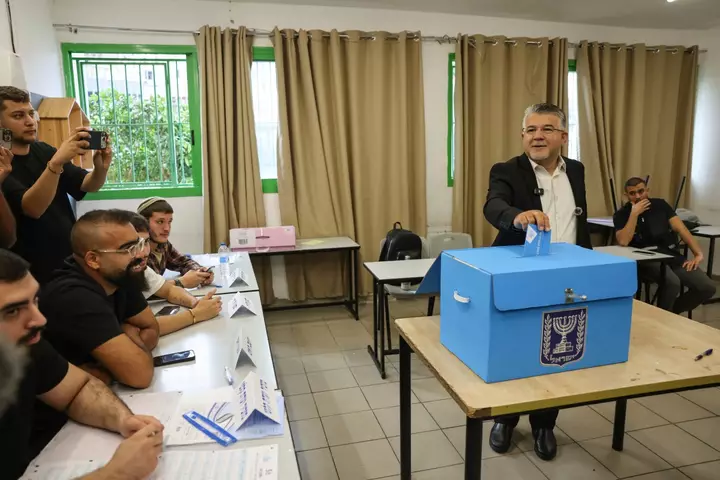
He said it was amazing that so much of the world accuses Israel of being an apartheid state, when Arab parties had just won so many seats in its election. He had always known the charge was false, he said, but these results drove the point home. On October 27, Arab citizens of Israel turned out at a rate of about 80 percent, according to an estimate by Israel's Channel 12.
That would be the highest Arab turnout in decades. In 2022, it was 53.2 percent. With most votes counted, Israel's two main Arab-led parties are on track for about 19 seats, with soldier and other special ballots still to be tallied.
That would be more than they have ever won. The previous high was 15, in March 2020. Those two parties are Ra'am, which is rooted in the Islamic Movement and led by Mansour Abbas, and the Joint List, an alliance of three Arab-majority parties.
In September, the Central Elections Committee, a body made up mostly of party representatives, voted to bar both from the election. The motions alleged ties between Ra'am, through the Islamic Movement and affiliated charities, and groups linked to Hamas, and of telling Hebrew and Arabic audiences different things. They accused the Joint List, largely based on the platform of one of its member parties, of rejecting Israel as a Jewish and democratic state and supporting armed struggle against it.
Extract — continue reading at the source.