Some American food companies are gambling your health on a supply chain they cannot see, and their favorite fix makes the gamble worse. Diversification sounds like safety. Look a bit closer, and it resembles guesswork.
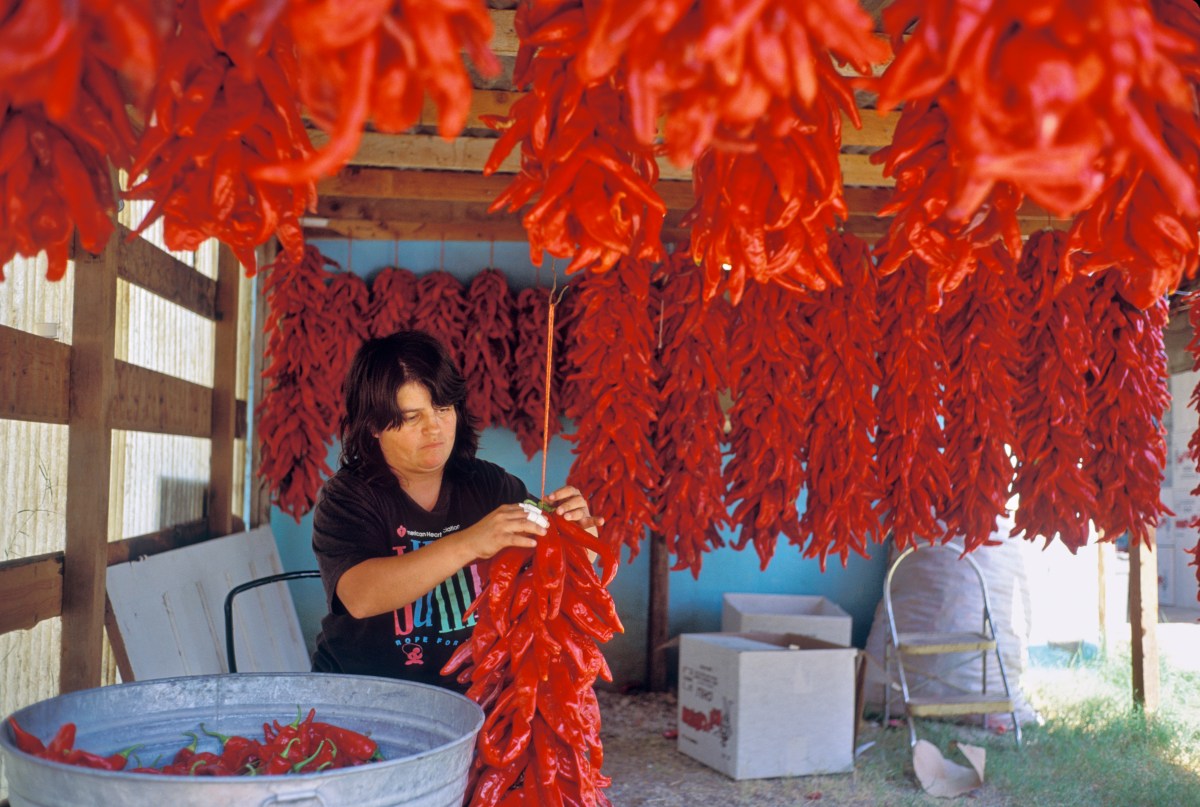
After 24 years of developing the chili pepper business through ‘Out Of Mexico’, I hold a firm conviction: every new supplier you add multiplies the weak links nobody is watching. It begins its travel as a seed from an approved manufacturer, then meets a farmer's fertilizer, pesticide, and irrigation water. I insist that every water source gets tested, because a clean field can be ruined by a contaminated well.
The harvest is then transferred to a processing plant, where it is washed and sorted, then dried below a strict moisture level because damp peppers invite bacteria and fungus. After packaging, the importers take over, and then it is transported to U.S. facilities. Every handoff is a chance for disaster, and most buyers know only the name printed on the final invoice.
Some in our trade boast about buying directly from hundreds of farmers. Thoroughly qualifying hundreds of individual farms can be difficult, and a company that cannot name the field and the well cannot vouch for the plate. Names on a supplier list feel like control.
They are a comforting fiction. Would you eat food whose history its seller cannot recite? This summer answered that question.
A Salmonella outbreak linked to jalapeños imported from Mexico sickened 431 people in 32 states. Investigators identified a single grower in Sinaloa as the likely source. Illnesses began on June 19, and Coast Citrus Distributors initiated a limited recall on July 22.
Extract — continue reading at the source.