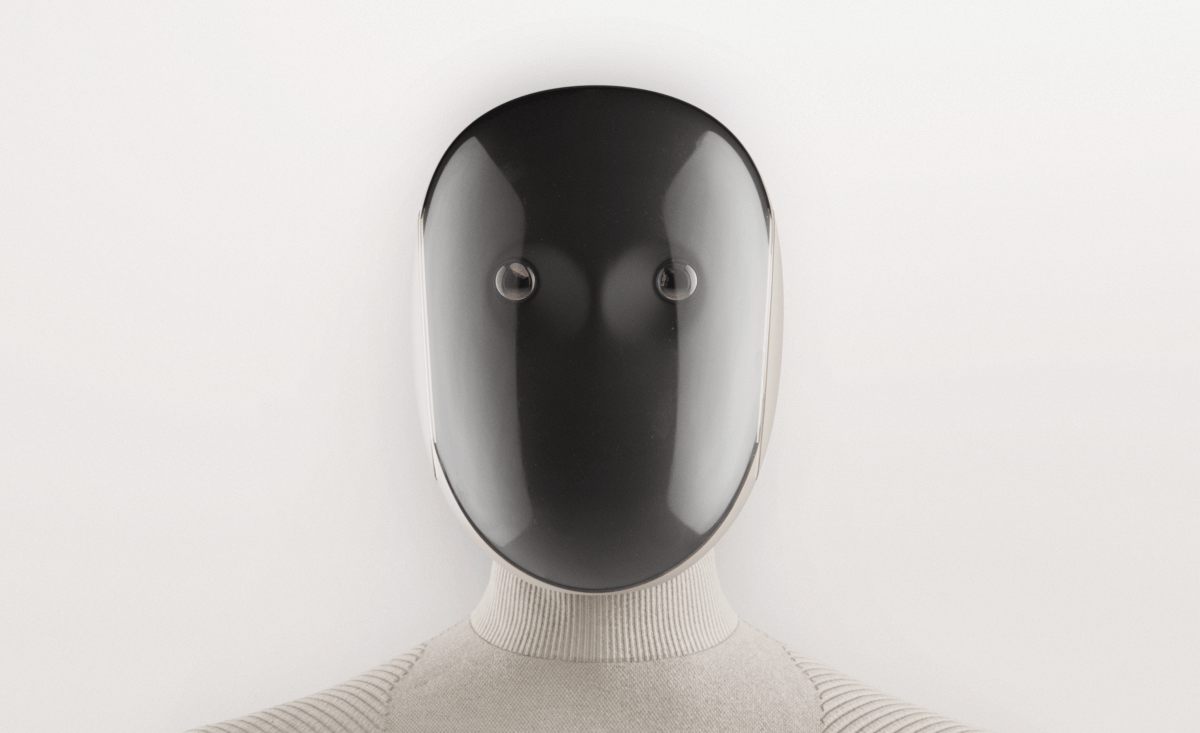
After a hard shift working around the house and interacting with people and other machines, 1X Technologies’ soft, fabric-covered NEO humanoids, designed to be as endearing as a plushie, will sift out the details they need to retain from the mass of data they can discard. One of the most significant technological competitions in the history of humanity is heating up: the race to build brains that will let robots think and perform multiple physical tasks alongside humans and, in so doing, revolutionize homes, factories, hospitals and other workplaces. That race is much harder than building the AI language models we’re now used to.
And while China is becoming dominant when it comes to building robots that can now sprint quicker than the fastest human, the United States is by no means behind when it comes to developing their minds. The CEO of robot brain company Skild AI likes to share a clip of robot hands carefully lighting a cigarette to make his point. The film is black and white.
What we are doing here is building a general purpose brain for robots.” The challenge is clear at robot maker Unitree’s home in Hangzhou, China, a 2,000-year-old city that has reinvented itself as a tech hub 100 miles west of Shanghai. Unitree’s robots wowed viewers with perfectly choreographed dancing and martial arts at China’s annual Lunar New Year television gala. They competed alongside others in August’s World Humanoid Robot Games in Beijing, where a robot from another Chinese company ran 100 meters faster than any human in history.
Yushu Technology Co., Ltd., which trades as Unitree, saw its shares soar more than 600 percent on its first day of trading on August 19, a sign of investor interest in robotics. But what the robots can’t really do yet is think. At the showroom in Hangzhou, their movements are decided by a young man in a black parka standing in the corner with a game controller.
All of the industry are trying to develop it,” Unitree’s Yolanda Xie told Newsweek in Hangzhou. Once we have a solid foundation for the movement then we can add the brain.” With China being the biggest testing ground for deploying humanoid robots, it has also become a source of viral videos of robots going wrong: kicking someone in a crowd or striking out at fellow workers. But the robots don’t yet have the intelligence to behave maliciously.
At the heart of the challenge for developers is what’s known as Moravec’s paradox: that the level of computing needed for “hard” intellectual tasks, such as those being done better and better by large language models such as ChatGPT, is much lower than for “easy” tasks such as walking around or making a cup of coffee. That’s not to say everyone is pessimistic. Elon Musk’s Tesla, which did not respond to a request for comment, is targeting the end of 2027 for releasing its Optimus humanoid robot. 1X Technologies is aiming even earlier, with plans to deliver the first NEO later this year.
Extract — continue reading at the source.