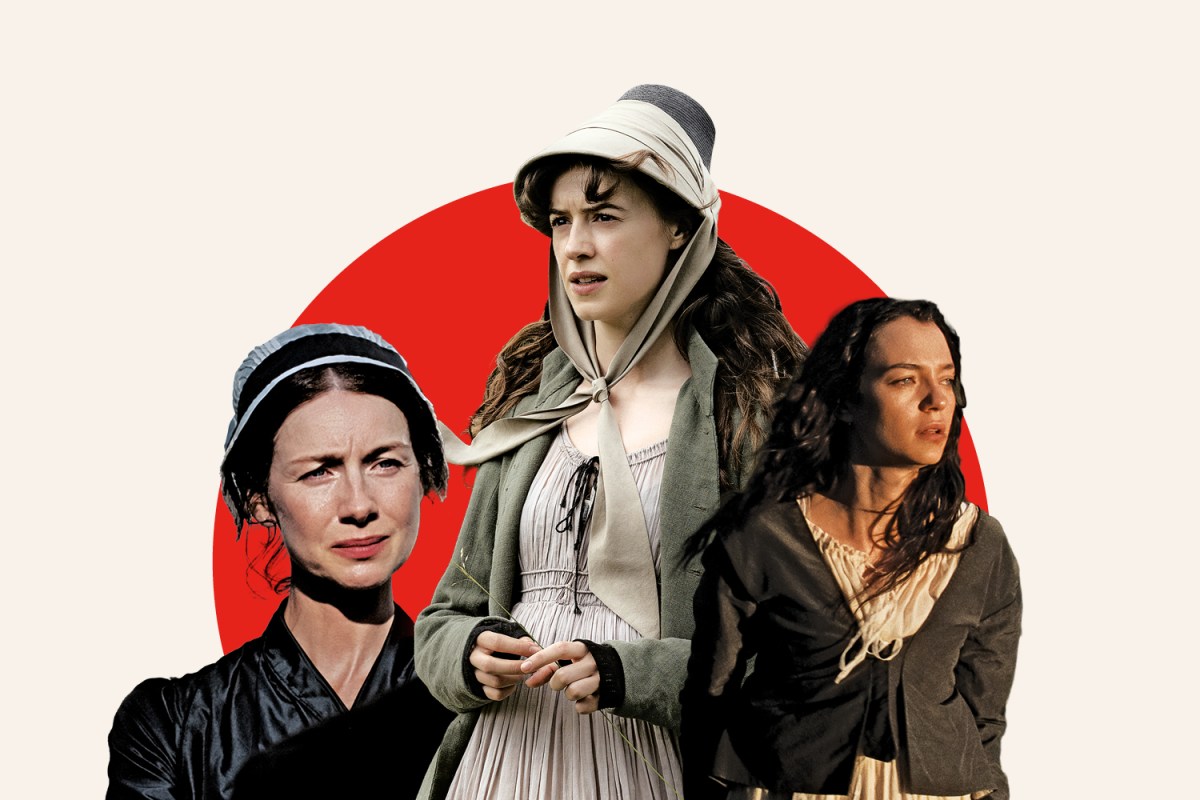
Hollywood has provided countless portrayals of the Dashwood sisters in Sense and Sensibility. Do we even really need a new interpretation of Jane Austen’s timeless tale of love? Well, after viewing the new film version directed by Georgia Oakley and starring Daisy Edgar-Jones, the answer is yes.
That’s because Oakley’s version feels almost feminist despite little changes to the source material. It strips away the polished veneer of the traditional costume drama to reveal something much more grounded. Edgar-Jones, who steps into the practical shoes of Elinor Dashwood, saw this vision from the very beginning.
"She [Oakley] really wanted to dissolve the barriers that you can sometimes feel when you're watching a period drama," Edgar-Jones told Newsweek’s Parting Shot podcast. "Because it is set 200 years ago and they're in corsets and bonnets and the English is a little more flowery, sometimes it can mean that you do feel a little sense of distance. I was so excited by Georgia's want to dissolve that kind of distance and create a much more intimate, raw version of the Dashwoods.
And every decision she made was in support of that." That meant a production stripped of the typical artificial glamour. The costumes were naturally dyed with elderberries and logwood, the cast wore little makeup and their hair was often left loose. In stripping the confines of a usual costume drama, instead we get a visual representation of a family of women existing in a home without men.
Esmé Creed-Miles, who brings a fierce energy to the hopelessly romantic Marianne Dashwood, agrees that this visual restraint allows the actual humanity of the characters to shine through. "What she set out to do was to create something that felt naturalistic," Creed-Miles explains. "The palette is restrained, and it really lets the performances sing and the music sing.
We're just trying to actually make it real and really make you feel like these are real people with real lives. I think all of those details bridge that gap because, of course, the expectation that women and people at that time were always looking and presenting as they would in a portrait is probably a little unrealistic." Part of the reason why this version feels so bold and new is because it focuses less on the impact of the loves of the Dashwood women and more on the relationships between the women themselves. The bond between Edgar-Jones’ Elinor and Creed-Miles’ Marianne is front and center.
Extract — continue reading at the source.