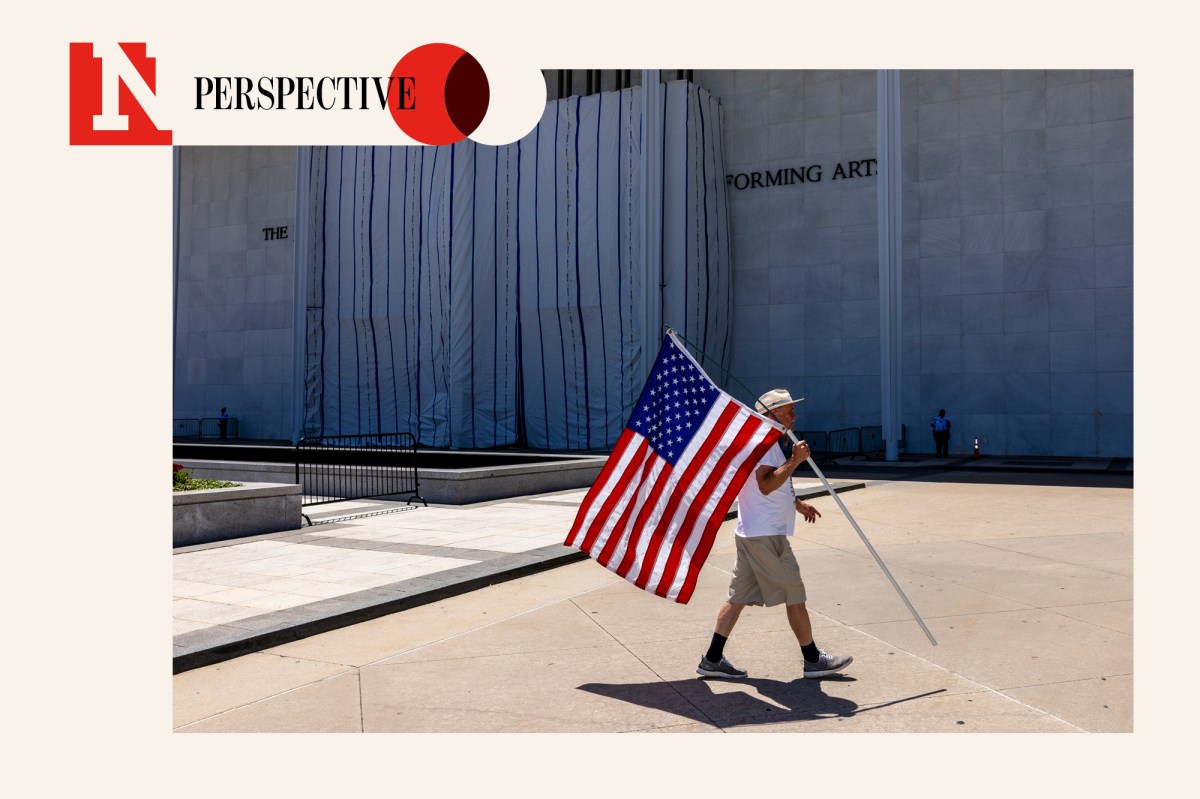
The Kennedy Center’s finances have delivered conservatives inconvenient vindication—turn a product into a political loyalty test, and some customers will decide they can live without it. Internal Kennedy Center projections leaked to the media show the institution expected roughly $124 million in revenue for fiscal 2026, against a $220 million budget, leaving a projected $23 million deficit even after major spending cuts. Ticket sales and donations had already weakened after President Donald Trump took control in February 2025, then fell more sharply after his name was added to the building.
In a fitting irony of the culture wars, the most striking part is how closely the mechanism resembles the consumer backlash conservatives spent years warning corporate America about. Bud Light became the defining example of conservative backlash against corporate political branding in 2023, after a promotion involving transgender influencer Dylan Mulvaney triggered a boycott. By October of that year, U.S. retail dollar sales of Bud Light were 29 percent below the previous year over a four-week period, while parent company AB InBev’s U.S. revenue fell 13.5 percent in the third quarter.
Target faced a similar problem that year, as comparable sales fell 5.4 percent during a quarter in which executives acknowledged that backlash to its Pride merchandise hurt business, though inflation and weaker discretionary spending were also important contributing factors. The conservative critique emerging from those episodes was straightforward—companies selling beer, clothes or household goods take a commercial risk when buying the product begins to feel like signaling political allegiance. Enter the Kennedy Center, which now appears to offer a mirror image, seeming to reinforce the conservative argument while damaging the conservative brand.
Trump replaced much of its board and became chairman in February 2025, while the White House described the previous trustees as obsessed with “radical” ideology. By the following fall, the typical production in the Center’s three largest venues had sold or distributed at most 57 percent of available tickets, compared with 93 percent a year earlier, according to a Washington Post report. Among National Symphony Orchestra classical concerts, paying attendance later fell to about 41 percent of capacity, from 72 percent in 2024.
Obviously, there is no scientifically sure way to determine that every lost ticket resulted from a politically-adjacent issue. There are tourism numbers to take into account, programming decisions and more. The Kennedy Center itself (obviously) disputes the narrative, arguing that Trump inherited years of financial mismanagement and was actually able to attract new donors for renovations.
Other examples also show that political branding doesn’t always destroy a business. Take Nike’s 2018 Colin Kaepernick campaign, which prompted boycott calls while online sales jumped immediately afterward, suggesting political positioning can work when it fits the customers a brand already has. Trump’s political identity became attached to an institution whose paying audience included many people strongly opposed to him, sure.
Extract — continue reading at the source.