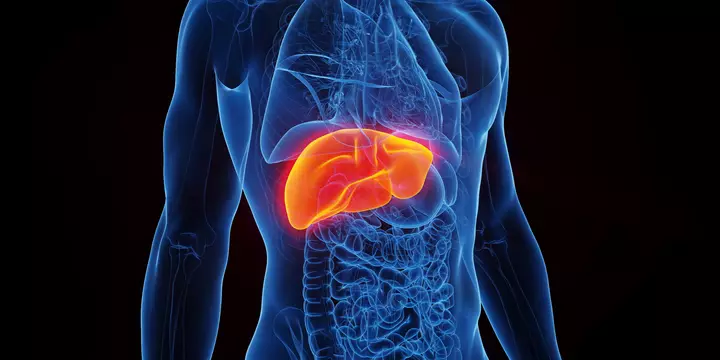
Everything you consume—from your breakfast burrito to any medication you take—your liver filters, processes, stores, and/or turns into something new (it even makes cholesterol). The organ also puts in the hard work of regulating glucose, which involves holding on to that sugar and then deploying it when your body needs energy. And your liver helps handle the dirty work of sending whatever you don’t need out into the toilet.
ALL OF THE FACTORS below get in the way of your liver doing all of its jobs—and eventually prevent it from doing any of them. These drive the first stage of liver disease, which is inflammation. The second stage is called fibrosis, which occurs when chronic inflammation leads to liver scarring.
In the third stage, cirrhosis, the refinery starts to function less efficiently. When cirrhosis goes too far, your liver begins to shut down, and eventually you’ll need a liver transplant. The five main types are lettered A through E.
In North America, A, B, and C are the most common, but A is typically mild. You used to hear a lot more about hepatitis B and C because they can lead to cirrhosis and even cancer—but they’re not the threat they once were (see more about that below). Technically, your liver dies a little bit every time it processes alcohol.
If you drink too much and kill too many liver cells, the liver has difficulty performing all its functions. Fat accumulates, and trouble is on its way. Formerly known as nonalcoholic fatty liver disease, metabolic dysfunction–associated steatotic liver disease is a fatty liver caused by things other than alcohol.
The biggest culprits are obesity and type 2 diabetes. MASLD affects about 30 percent of people in the world, and cases are rising in the U.S. YOU'LL NEED A doctor’s help.
Extract — continue reading at the source.