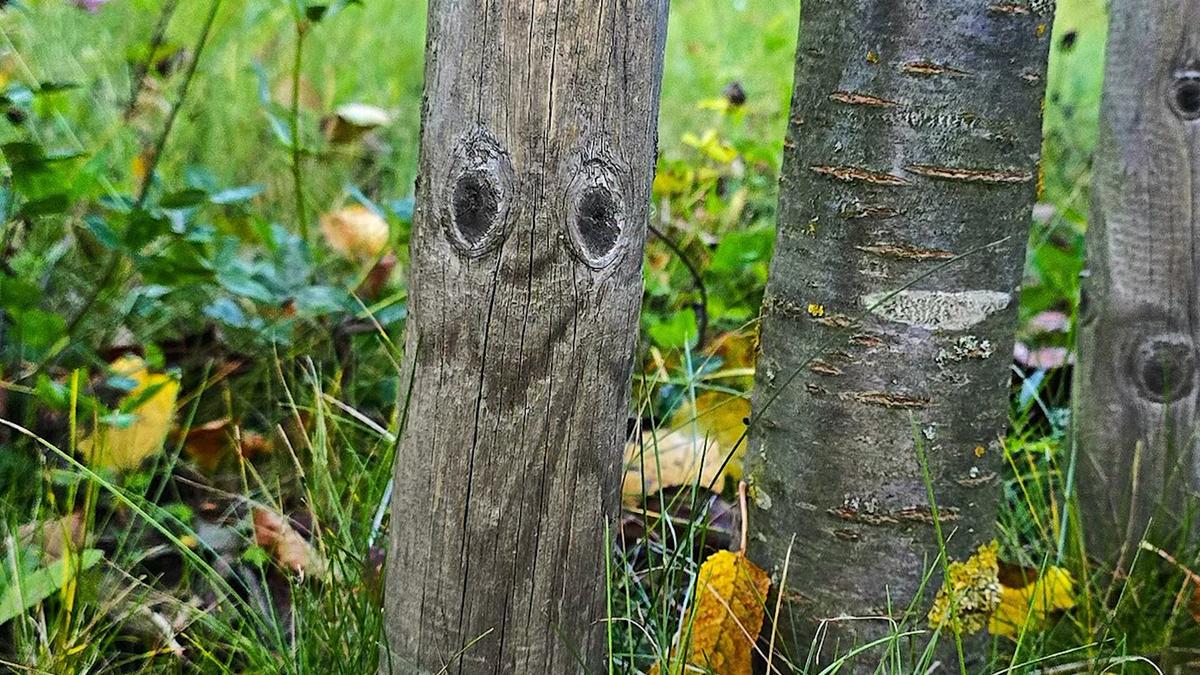
Across the centuries, people have reported seeing familiar shapes – above all, faces – in unlikely places, from clouds and marble to slices of toast bearing the image of Jesus. In this video, Mary McGillivray, a digital creator and PhD student at the University of Melbourne, explores this phenomenon, known as pareidolia. Drawing on conversations with a geologist and a vision scientist, McGillivray asks how such images arise, both in the patterns of stone and in the workings of the brain.
Highlighting examples of figures and faces hidden in Renaissance art, she also reflects on what these images have meant to us over time, and what our tendency to see them might reveal about our capacity for creativity. Long considered a sign of mental illness, ‘pareidolia’ or seeing patterns in randomness might be a useful measure of creativity ‘Apophenia’ is reflected in pleasant and troubling experiences alike – from seeing faces in clouds to conspiracy beliefs Psychedelics and neuroscience seem to support his ideas about ancestral dreams and fears – but with an evolutionary twist For aphantasic artists with no mind’s eye, creating paintings is a way to experience the mental pictures they can’t see In terms of brain activity, imagining something is very similar to seeing it, so why don’t you confuse the two more often? When you engage with an artwork, a form of cognitive coupling takes place in which your mind and the art are transformed Research suggests that people find artworks more aesthetically pleasing when they’re personally relevant to them in some way
Extract — continue reading at the source.