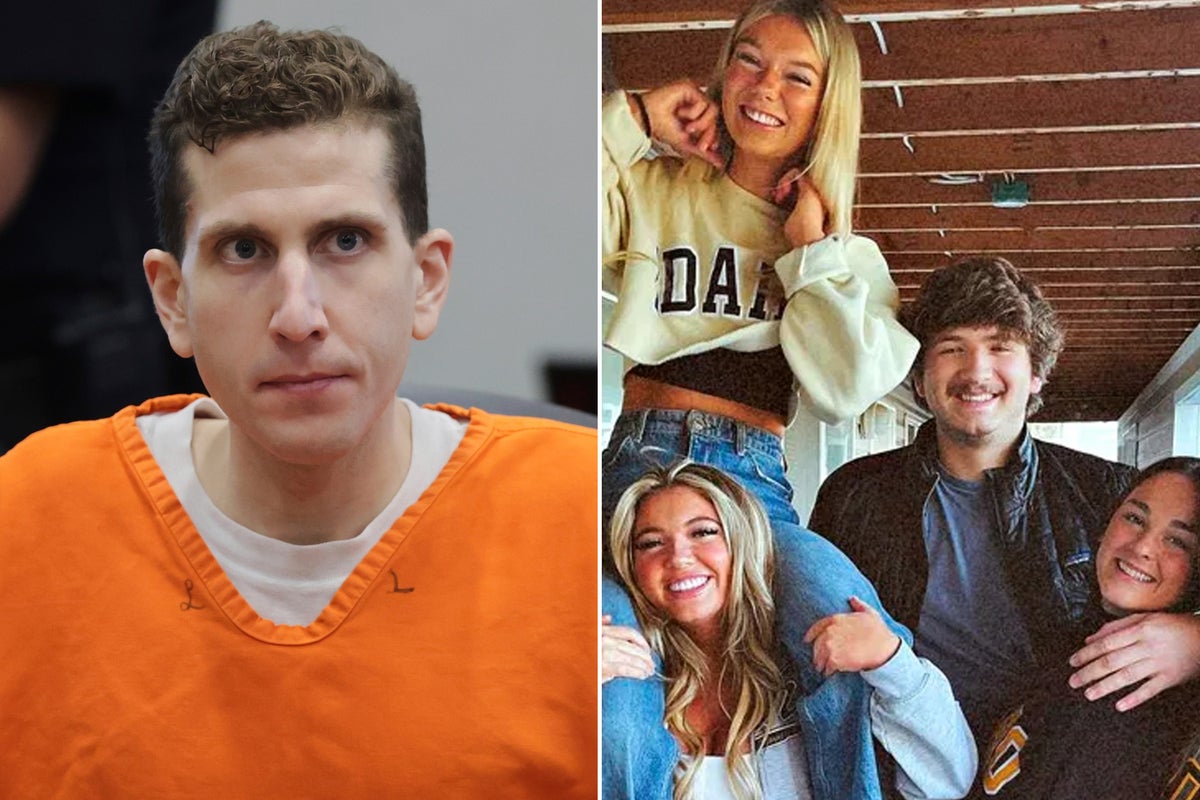
A couple of weeks ago, Netflix released The Idaho Murders: College Nightmare, a documentary revisiting the 2022 killings of four University of Idaho students — Ethan Chapin (20 years old), Kaylee Goncalves (21), Xana Kernodle (20) and Madison Mogen (21). The case, which seemed closed when Bryan Kohberger pleaded guilty in 2025 and was sentenced to life in prison, isn’t actually closed. Kohberger has since petitioned the court to withdraw that plea, arguing coercion and bad legal advice.
The victims’ families are ready and unfraid to face him in court again. The three-part series, detailing the grisly mass slaying, is doing exceptionally well. In its first five days on the streamer, it had brought in 18.2 million views and outperformed other Netflix titles.
And this has revivified ongoing questions about why this type of programming is so alluring. What does it say about us as a society when lurid content like this is so central to our cultural milieu? Although true crime feels current, it is the fourth iteration of the genre under one name or another since the mid-19th century.
In terms of explaining it’s appeal, no one explanation suffices. It may be best understood as a system of complex processes, with each of the following mechanisms operating simultaneously at different levels: individual psychology, moral reasoning and social belonging. Foremost among these is a phenomenon known as benign hedonic masochism.
Masochistic behaviours, or enjoyment derived from self-suffering, can, in extreme forms, be pathological and even dangerous. But it’s the “benign” part that provides us the intellectual licence to enjoy content about murder and mayhem. The Idaho Murders: College Nightmare trades on exactly this: dramatized crime-scene reconstruction and survivor interviews, all consumed from the safety of a couch.
Drawing on Paul Rozin’s pioneering theory of hedonic reversal, benign hedonic masochism describes a paradoxical psychological condition through which people acquire pleasure from simulated aversive experiences that generate fear, anxiety and emotional discomfort, all while remaining fundamentally safe. The maladaptive and self-deprecating language that often surrounds true crime consumption, such as “binging,” “obsession,” “addiction” and being a true crime “junkie,” reflects a certain self-awareness of this reality. More than just a voyeuristic exercise, true crime offers controlled encounters with uncertainty, danger and moral disorder, while simultaneously reassuring audiences of closure and finality.
Extract — continue reading at the source.