This article has been reviewed according to Science X's editorial process and policies. Editors have highlighted the following attributes while ensuring the content's credibility: The longer it takes to transition away from fossil fuels such as coal, the more costs accrue as climate change accelerates. Climate change caused at least US$2.8 trillion (£2.1 trillion) in global costs known as loss and damage between 2000 and 2019, according to the UN Environment Programme.
Loss and damage refers to the social, economic, cultural and environmental harms experienced by people or communities as a consequence of disruptive events or processes, such as mining. In climate change governance, loss and damage impacts are more specifically those that can't be avoided or mitigated and should ideally be compensated. Projected loss and damage costs for developing countries alone could reach US$290–580 billion per year by 2030.
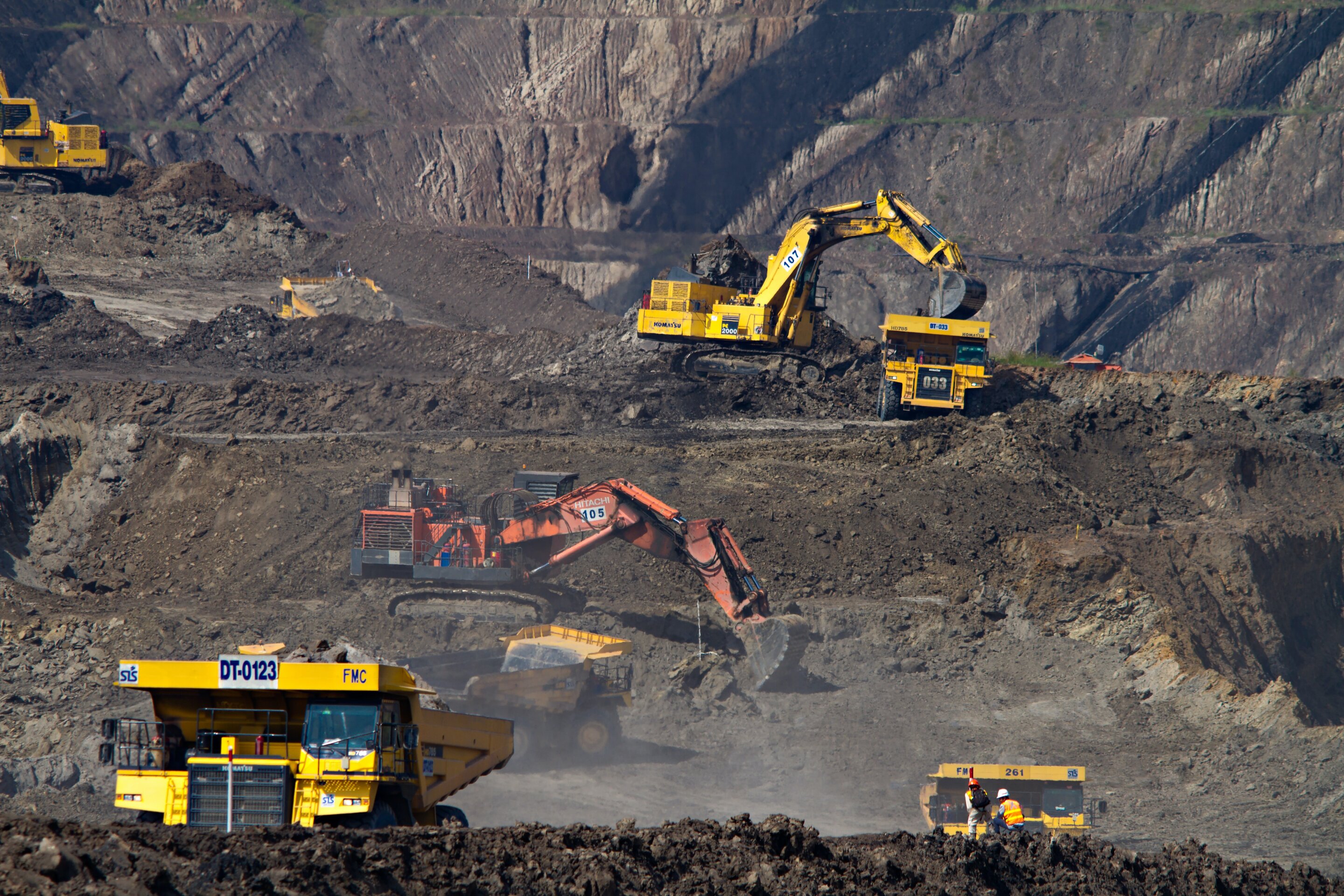
Our ongoing research focuses on how the opening of new coal mines prevents the shift away from a global economy reliant on fossil fuels. A key part of this involves investigating how loss and damage is calculated in communities affected by coal mining and who pays, or doesn't pay, for it. Most calculations of loss and damage in the mining context use a market replacement price model.
At best, this pays the owner—of the field, cow, sheep, etc.—the local market price for the thing that will be lost at the time it is lost. Economists also sometimes use income and production approaches, which add changes to future income streams or production functions to show more aggregated economic effects. Our new method is more holistic than these.
Each fossil fuel asset has a life cycle: Oil, gas and coal assets cause loss and damage when they are established, throughout their working lives and in decommissioning—and then more through their aggregated effect on climate change. The last is often calibrated to the social costs of carbon emissions. We judge that if coal mine owners paid correctly for the loss and damage they cause through the whole life cycle (establishment, working, decommissioning), then coal mines would simply be a poor investment choice relative to renewables.
Coal would then be phased out more quickly, avoiding the substantial costs of climate change later. Traditionally, coal assets have been cheap to set up, as communities are expected to move aside in the name of national economic development. Sometimes affected people have received a market replacement for something lost—a cow or a house—but often not, and livelihoods are rarely replaced in full.
Extract — continue reading at the source.


