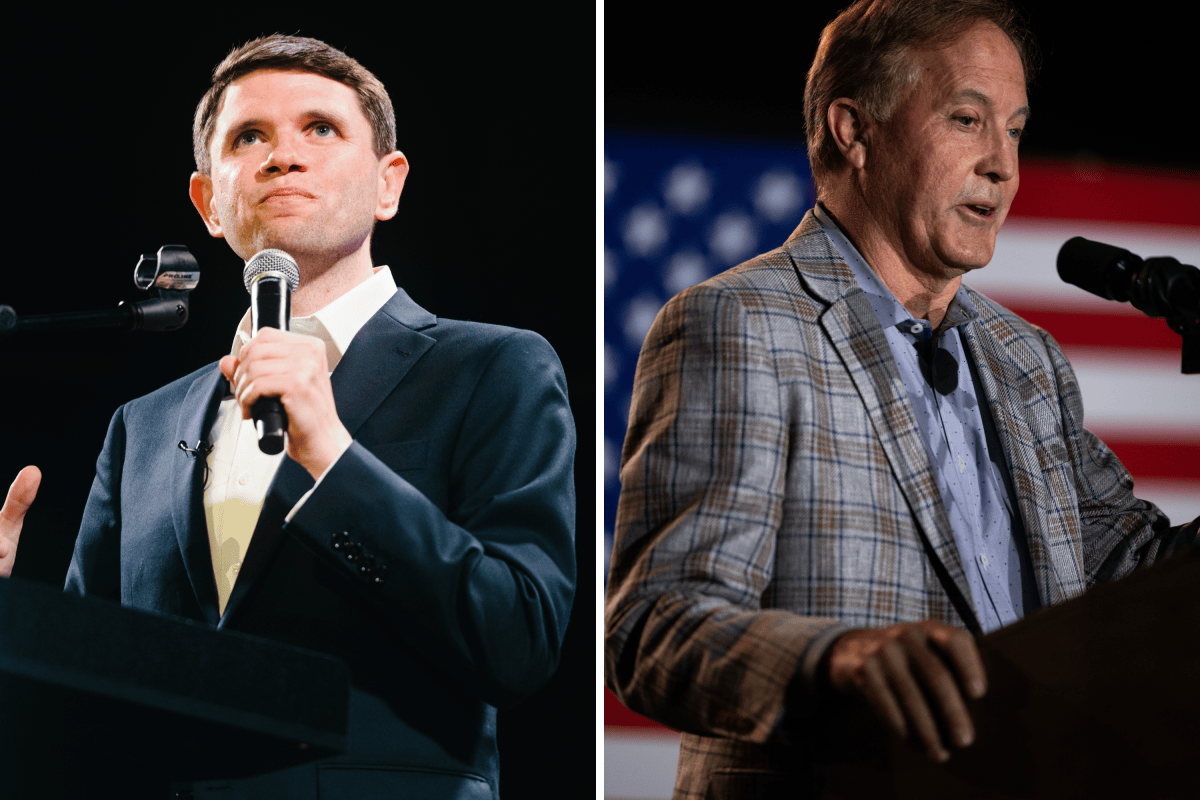
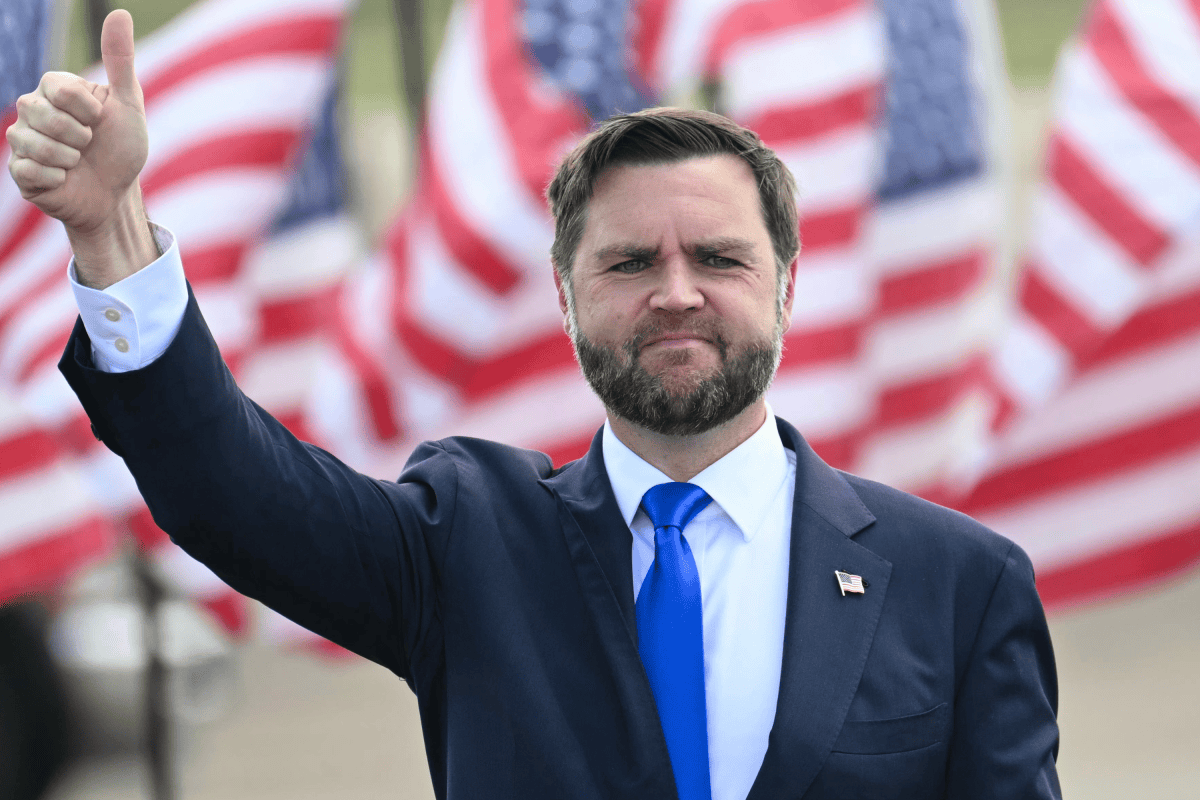
Proposals for global AI protections and guardrails abound this week at the U.N. General Assembly, but they can’t do much without the U.S. on board. President Donald Trump flatly rejected in his own speech to the assembly any “globalist scheme of control” on AI. | Michael M.
Santiago/Getty Images Global governments are struggling to find a path forward on AI without buy-in from the United States. World leaders and tech CEOs are using the U.N. General Assembly this week to call for a global approach to rein in AI, particularly following cyberattacks against other technology firms in recent weeks.
But that’s against the backdrop of President Donald Trump flatly rejecting in his own speech to the assembly any “globalist scheme of control” on AI. That’s putting those countries that want to move forward in a tough spot. Security Council welcomed the heads of some of the U.S.’ top AI companies, who expressed their urgent fears about the future of securing these models, and called for international cooperation to confront these challenges.
The world’s leading AI companies — such as Anthropic, OpenAI and DeepSeek — are headquartered largely in the U.S. or China. And Trump and Chinese President Xi Jinping are expected to discuss AI only in passing during Xi’s visit to Washington this week. Fu Cong, Beijing’s permanent representative to the U.N., said at Wednesday’s Security Council meeting that China supports the formation of “a consensus-based global governance framework at an early date so as to build institutional guardrails that preserve international peace and security.” U.N.
Secretary-General António Guterres was pointed about the need for the U.S. and China to take action in his own address to the assembly on Tuesday, saying “governments with the greatest AI capabilities have the greatest responsibilities to humanity.” The fears are widespread across many regions, with a recent POLITICO Poll finding that the majority of adults in the U.S., Canada and Europe want to pause AI development over fears of threats to humanity. But the nations behind the AI declaration were largely silent following Trump’s speech to the assembly on Tuesday, and spokespeople for the Finnish and Norwegian embassies in Washington did not respond to requests for comment on the U.S. administration’s stance. Alix Maisonnave, spokesperson for the French Embassy in Washington, stressed that France plans to “take action in that framework and will participate and support upcoming U.N. works on cybersecurity.” French President Emmanuel Macronused his speech at UNGA on Tuesday to call on the world to push back against being “vassals of either of the two great world powers” on addressing AI concerns, instead stating that he hopes “all sovereign States attached to their independence will come together to develop an open-source frontier model.” But other officials acknowledged the awkwardness of proceeding further.
Bill Cassidy on vaccines, RFK Jr. and the fight for public trust “There are very interesting AI topics that urgently need to be discussed and agreed upon among countries, and without a doubt these agreements must include the two nations leading the AI race,” Paula Bogantes Zamora, head of the Costa Rican Ministry of Science, Innovation, Technology and Telecommunications, said in an interview. One European official said anger at the U.S. rejection of a global AI body is more widespread than is being let on in public statements by many leaders. The U.N. has been trying — since well before a former Anthropic and OpenAI staffer warned about AI potentially ending humanity within the next decade — to establish itself as the venue for these discussions.
Extract — continue reading at the source.