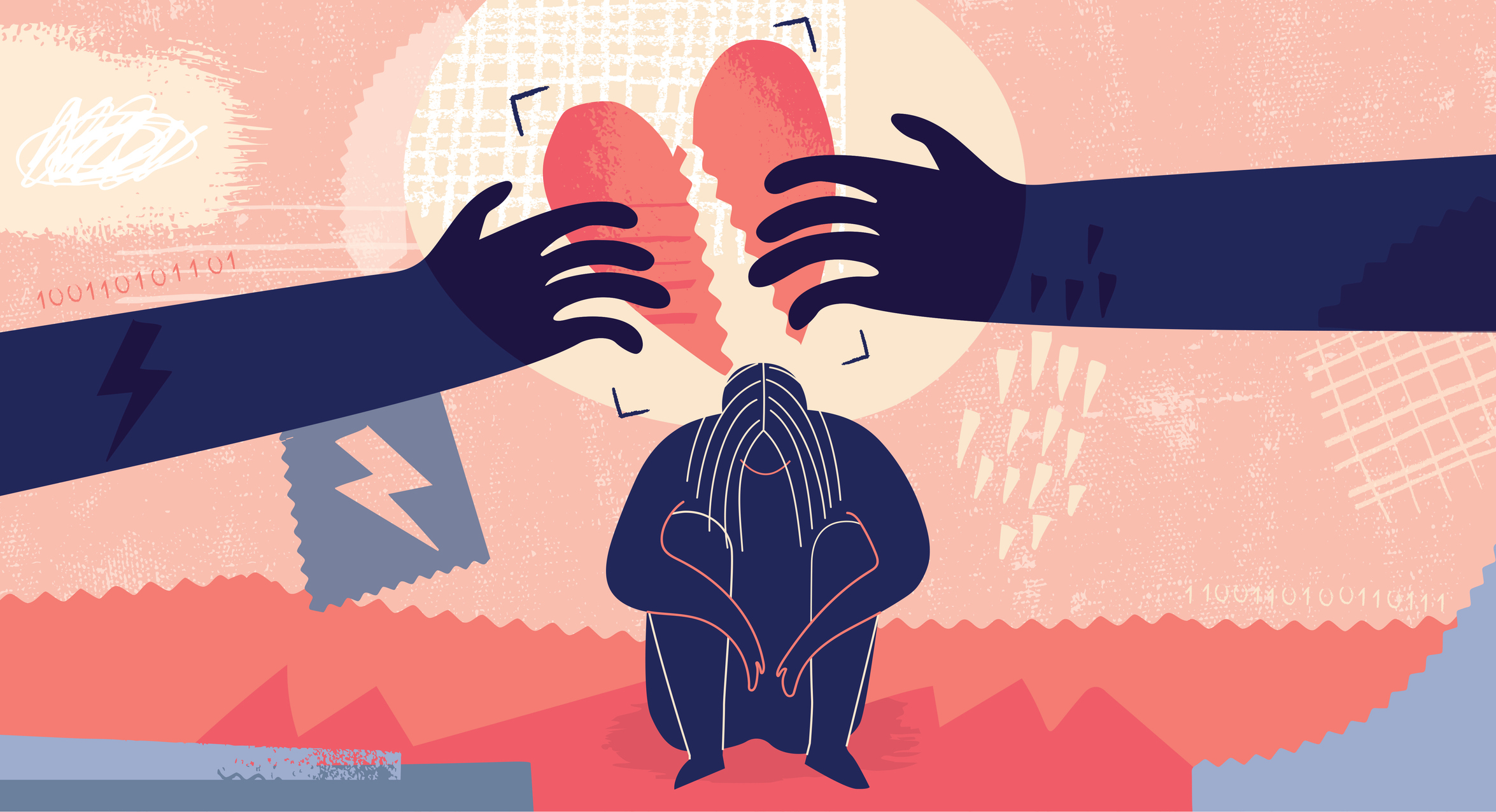
Years ago, I treated a woman whose husband was deliberately trying to drive her toward suicide while attempting to extract money from her family. What struck me was not only the cruelty of his behavior, but his complete lack of empathy or remorse for the harm he was causing. Leaving him was necessary, and the woman is now happily remarried.
Most troubled relationships look nothing like that. They involve disappointment, resentment, misunderstanding, conflicting needs, old wounds, and people who have never learned how to reconcile after hurting one another. In more than 20 years of clinical practice, that extreme case remains the only time I directly recommended divorce.
Mental-health professionals have become remarkably good at helping clients identify unhealthy relationships. We have a sophisticated vocabulary for boundaries, trauma, toxicity, narcissism, gaslighting, and emotional safety. But I worry that we are far less effective at helping people navigate difficult but meaningful connections.
Psychotherapy itself is predicated upon the healing power of human connection, yet therapists can be surprisingly quick to undervalue relationships outside the therapy room. Furthermore, relationships themselves teach basic psychological capacities such as regulating emotions, tolerating disappointment, and negotiating differences—skills which therapy is supposed to cultivate. Too often, we mistake relational distress for relational dysfunction.
Wall Street Journal columnist Elizabeth Bernstein recently highlighted this eloquently. She reported on therapists who encouraged adult children to go “no contact” with their parents, often after surprisingly little effort to mend ruptures. In a survey of roughly 7,000 estranged parents, one-third believed their adult child’s therapist had influenced or even recommended the decision to cut ties.
That should give us pause. The issue extends well beyond parents and children. Similar patterns appear in marriages and among siblings, friendships, and other close bonds.
Extract — continue reading at the source.