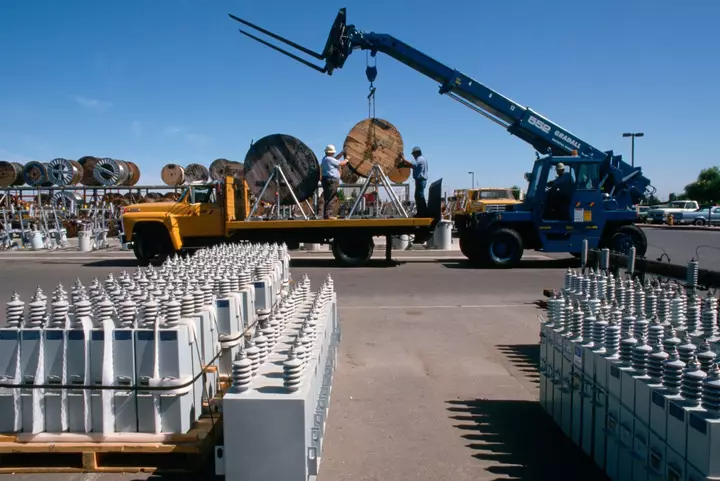
Your power bill may be rising because of a piece of equipment most people will never see. Transformers and other critical grid components sit deep inside the infrastructure behind every electricity bill, yet shortages and long delivery times are increasingly affecting how quickly new power capacity can come online. Those delays may feel distant from everyday life, but their costs do not stay there.
The grid cannot expand as quickly as demand is growing. The reason is not a lack of ambition or investment. It is that the equipment required to move power from where it is generated to where it is needed cannot be built and delivered fast enough.
According to analysts from PwC, as reported by pv magazine, lead times for high-capacity transformers have stretched to as long as four years. That is not a delay in a project schedule. It is a hard constraint on how quickly the grid can modernize.
The specialized steel used in transformer cores has faced its own global supply hurdles, and the mills that produce it are at capacity. The demand surge is not subtle. The same article from pv magazine shows data from Wood Mackenzie that the demand for generator step-up transformers increased 274 percent between 2019 and 2025.
Substation transformer demand rose 116 percent over the same period. Prices increased roughly 80 percent in five years. Households feel this in their bills.
Energy Information Administration reported an average residential electricity price of 18.19 cents per kilowatt-hour for January through August 2026, compared with 17.03 cents over the same period in 2025. That increase is not isolated. It reflects a system where the equipment to supply power cannot keep pace with the demand for it.
Extract — continue reading at the source.