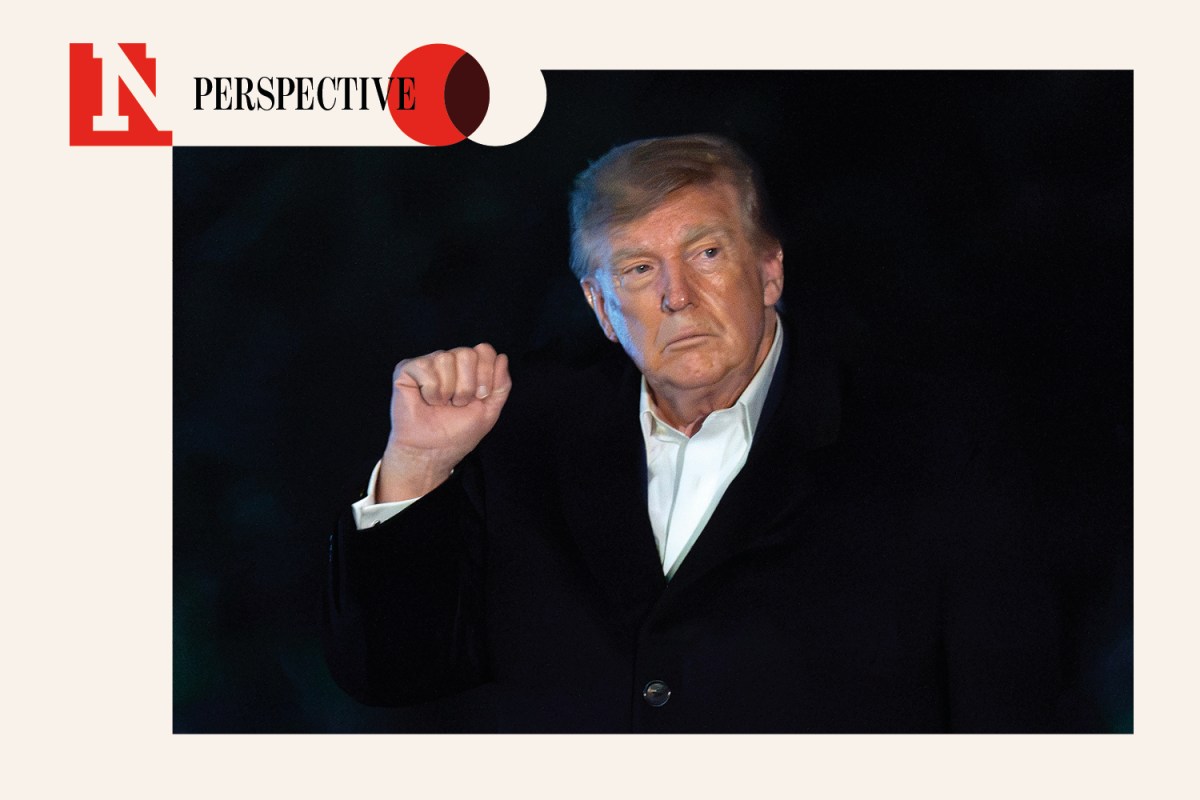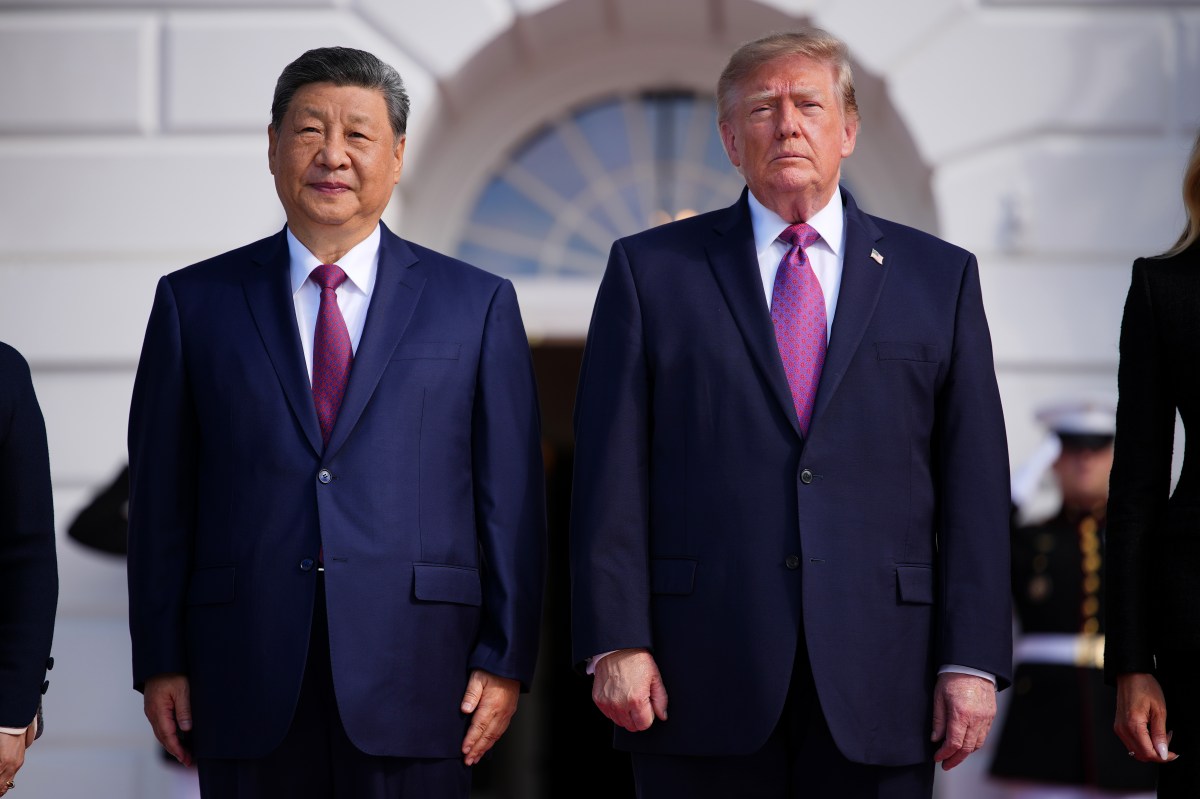
Chinese President Xi Jinping’s state visit to Washington last week was a grand affair, full of pomp and circumstance designed to convey a clear message: America, under President Donald Trump, is seeking a more cooperative relationship with the People's Republic of China. The symbolism was unmistakable. In an unusual diplomatic gesture, Trump personally greeted Xi on the tarmac at Joint Base Andrews, and the Chinese leader subsequently received the full treatment at the White House, complete with an elaborate arrival ceremony and a lavish state dinner.
The president himself was effusive, describing his meeting with Xi as one of “friendship, strength and success.” Behind all the pageantry was a clear strategic objective. After nearly two years of a decidedly rocky relationship with Beijing, Washington is now seeking to stabilize—or at least contain—the strategic competition between the two countries. This process has been underway for months.
Back in May, Trump's visit to Beijing saw the two sides establish new trade and investment mechanisms, and seek to ease economic tensions. At the time, China also agreed to address American concerns over things like rare earths and strategic minerals. And in what was clearly intended as a confidence-building measure, it committed to a major purchase of Boeing aircraft.
Last week’s reciprocal summit built on those gains. Washington and Beijing agreed to pursue a more favorable tariff regime for some $30 billion in goods, while China committed to buying at least 10 million metric tons of American coal in each of the next two years. On the surface, then, the U.S. and the PRC appear to be drifting toward what the White House has characterized as a “constructive relationship of strategic stability.” The problem, however, is that the administration’s approach to China is increasingly at odds with its objectives in the Middle East.
There, seven months into the Iran war, U.S. policy toward Iran has shifted from military pressure to economic coercion. The Administration’s immediate approach, spearheaded by Treasury Secretary Scott Bessent, is one of economic strangulation focused on restricting Iran’s energy exports and access to hard currency, as well as ratcheting up the costs of the current conflict. China, however, clearly has other ideas.
The PRC has emerged as Iran’s most important economic lifeline, and continued Chinese purchases of Iranian oil have played a big part in keeping Iran’s “resistance economy” afloat. While the Trump administration’s naval blockade of the Strait of Hormuz has complicated this trade, it hasn’t yet ended it. Beijing is also helping Tehran circumvent international sanctions. recently reported how one China-based barter mechanism has allowed proceeds from Iranian oil sales to be converted into Chinese goods without passing through the international financial system—thereby enabling the Iranian regime to skirt Western economic restrictions.
Extract — continue reading at the source.