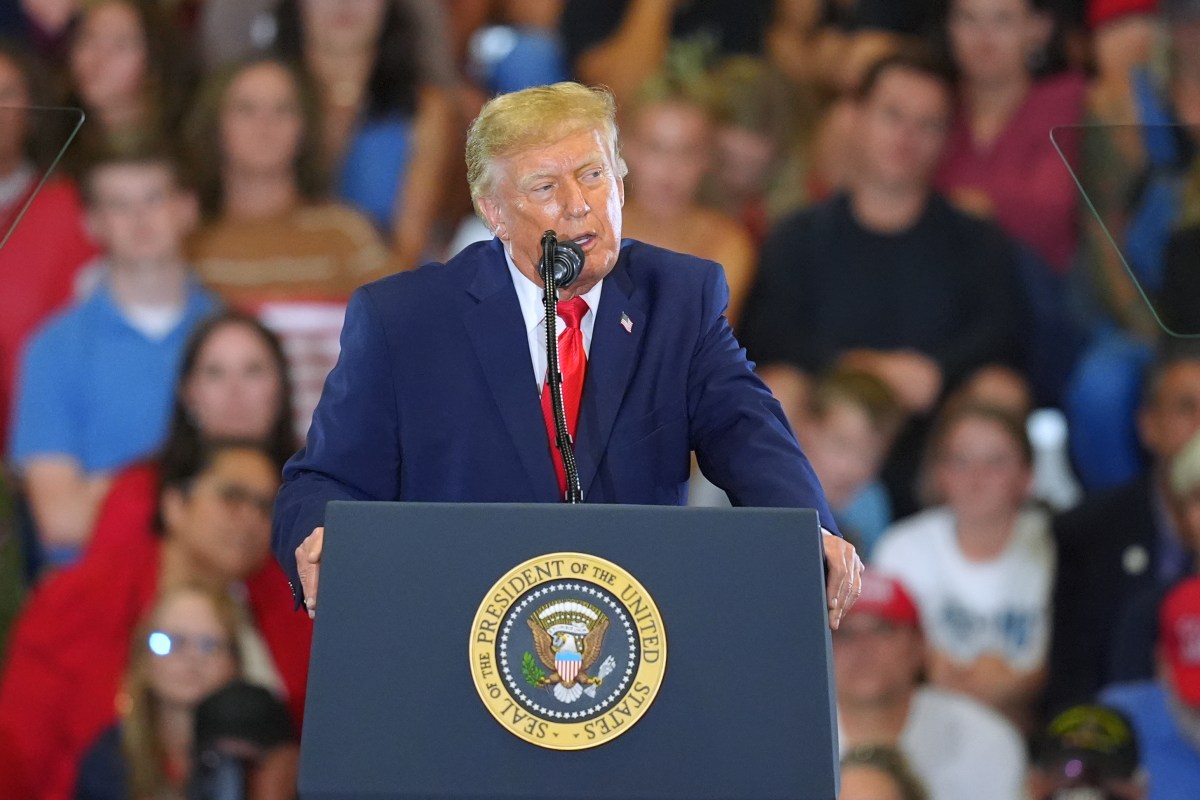
The legal and political standoff between President Donald Trump’s administration and the White House press corps escalated Monday after Politico was blocked from traveling aboard Air Force One. The move prevented the news organization from carrying out its scheduled duties as the designated print representative in the presidential travel pool, adding a new front to an increasingly contentious dispute over press access. The administration’s decision comes as Trump’s White House faces legal challenges from several major news organizations over restrictions on access to presidential events and facilities, with press freedom and First Amendment protections at the center of the dispute.
"We can confirm that Politico was excluded from today’s out-of-town travel pool," a Politico spokesperson told Newsweek. "We do not have additional comment at this time, but would refer you back to our legal filings, previous statements and those from our attorney, Ted Boutrous." The White House declined to comment when reached by Newsweek. Trump announced on September 18 that Politico, CNN and MS NOW would be barred from the White House, accusing the outlets of publishing what he called “FAKE NEWS” and “FICTION and LIES.” “I am proud to announce that, effective immediately, I am banning Fake News CNN, MSNOW … and Politico … from the White House as a result of their constant ‘reporting’ FAKE NEWS!” Trump wrote on Truth Social.
Trump did not provide evidence for his claims that the outlets had published false information. The three outlets filed a joint lawsuit on September 21, arguing that the administration had violated their constitutional rights. In a joint statement, they said they were acting to “protect our First Amendment rights” and defend the principle that “the government does not decide what the press reports or publishes.” They also argued that the White House had revoked their journalists’ credentials “because it objected to our reporting.” The lawsuit has developed into a broader fight over who controls access to the presidential press pool.
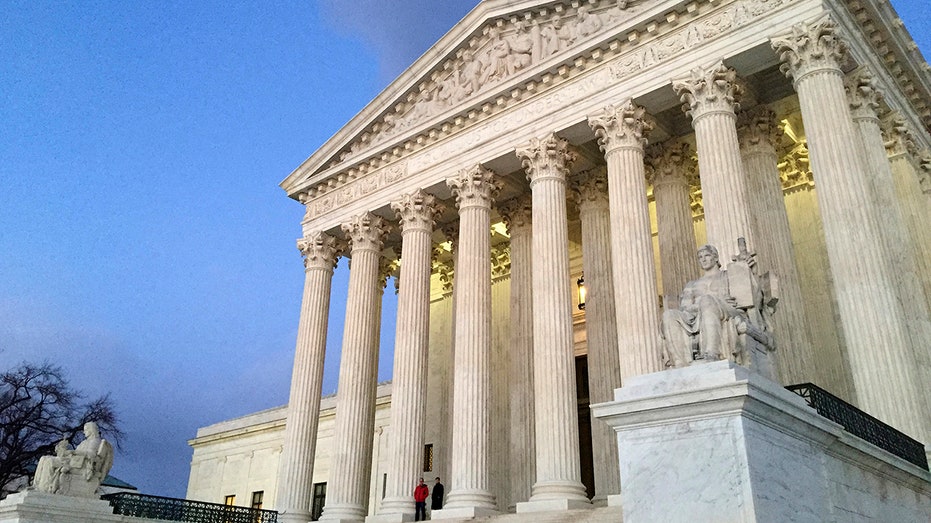
Because space is limited at some presidential events and during travel, only a small number of reporters can attend in person and traditionally represent the broader White House press corps, sharing information with journalists who cannot be present. District Judge Timothy J. Kelly subsequently ordered the administration to restore the outlets’ White House credentials while the lawsuit proceeds.
The White House has maintained that restoring physical press credentials does not automatically give the outlets access to every restricted setting, including the Oval Office or Air Force One. That argument was reinforced in a Justice Department filing on Friday in which the administration asked the court to allow Trump’s ban to stand. The government argued that Trump had determined the outlets published stories that “adversely affect national security” and that restricting their access would remove one avenue through which they could obtain information the administration considered harmful.
The filing is part of the administration’s effort to defend the restrictions as the outlets seek a preliminary injunction. The media organizations strongly dispute that argument. Ted Boutrous, the lead attorney representing CNN, MS NOW and Politico, told Newsweek that his legal team had already established that the ban was a “blatant violation of the First Amendment and due process.” “Since then, the president has only made it clearer that he announced this ban to punish reporting he doesn’t like and try to force journalists to cover him in ways he prefers,” Boutrous said.
Extract — continue reading at the source.