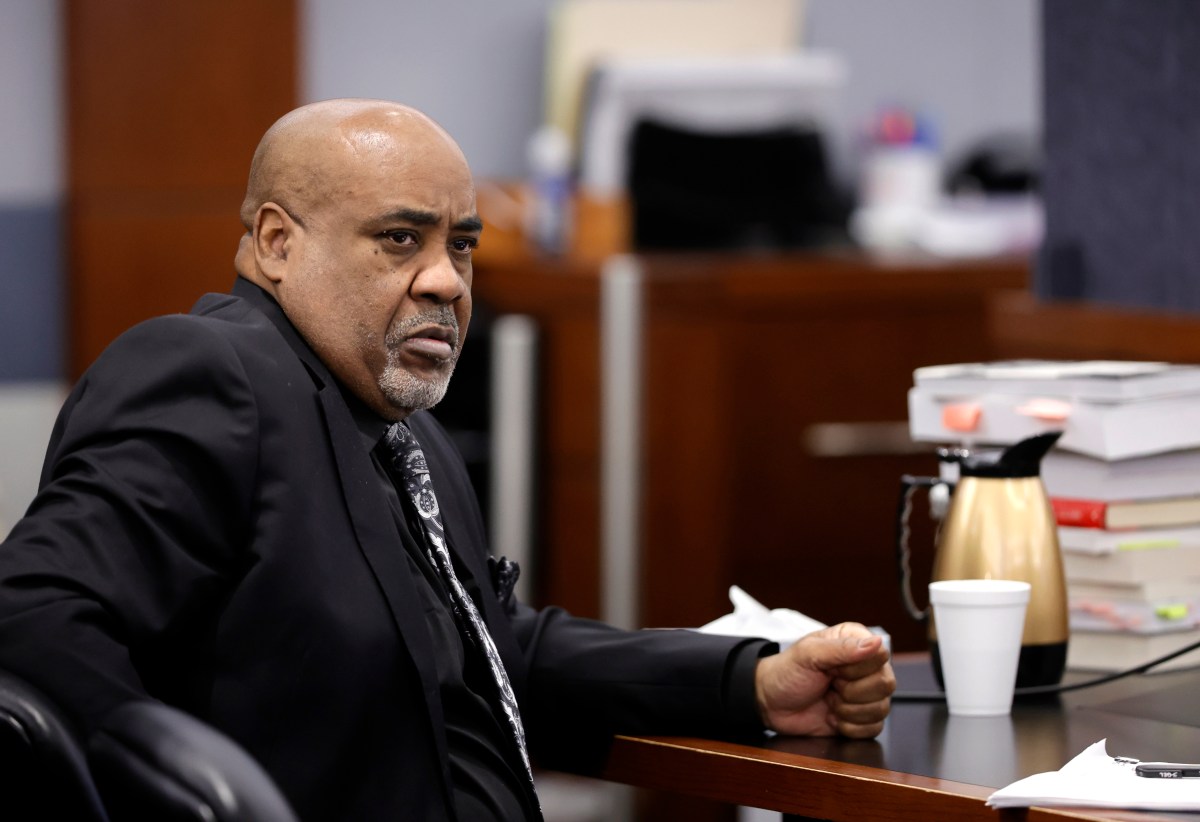
Thirty 30 years after Tupac Shakur was fatally shot in Las Vegas, the first person convicted in connection with his killing is set to be sentenced. On August 31, a Nevada jury convicted Duane "Keffe D" Davis, 63, of first-degree murder with the use of a deadly weapon. Prosecutors argued that the former South Side Compton Crips leader orchestrated the September 1996 attack and supplied the gun, although they did not accuse him of firing the fatal shots.
Davis faces the possibility of life in prison when he is sentenced on October 13. He said after the verdict that he plans to appeal. The conviction marked a major development in a case that had remained unresolved for decades and gripped hip-hop fans around the world.
Newsweek reached out to Davis’ attorney, Michael Sanft, by email on Monday for statement. Davis is scheduled to be sentenced Tuesday after jurors convicted him of first-degree murder with the use of a deadly weapon in Shakur's killing. The jury deliberated for less than three hours following a trial in which 24 prosecution witnesses and three defense witnesses testified over nine days.
Prosecutors decided not to pursue a gang enhancement, citing "witness logistics." Prosecutors did not accuse Davis of firing the fatal shots. Instead, they argued that he orchestrated the retaliatory attack and supplied the gun after Shakur and others beat Davis' nephew, Orlando "Baby Lane" Anderson, at the MGM Grand Hotel & Casino in Las Vegas earlier that night. Chief Deputy District Attorney Binu Palal told jurors during closing arguments that Davis acquired a gun and "went hunting" for Shakur and Death Row Records co-founder Marion "Suge" Knight after the confrontation.
Davis' accounts of the shooting became a central part of the prosecution's case. Prosecutors highlighted statements he made to police, documentary filmmakers and others, along with his 2019 memoir, Compton Street Legend. Prosecutors said he repeatedly placed himself inside the white Cadillac from which the shots were fired and said in interviews that he handed the gun to people in the back seat.
Sanft argued that Davis' public accounts were unreliable and designed to make money while emphasizing the lack of physical evidence connecting his client to the shooting. Davis has been held without bond following his conviction. After the verdict, he told the court that he wanted to appeal the verdict.
Extract — continue reading at the source.