Patients diagnosed with type 2 diabetes may have a higher risk of developing cancer, a new study has suggested. The study, which looked at data over a 27-year period, was presented at the Annual Meeting of the European Association for the Study of Diabetes (EASD) in Milan, Italy, and has not yet been submitted to a medical journal for publication. It found that people with type 2 diabetes (T2D) have a higher risk of developing certain cancers than those without.
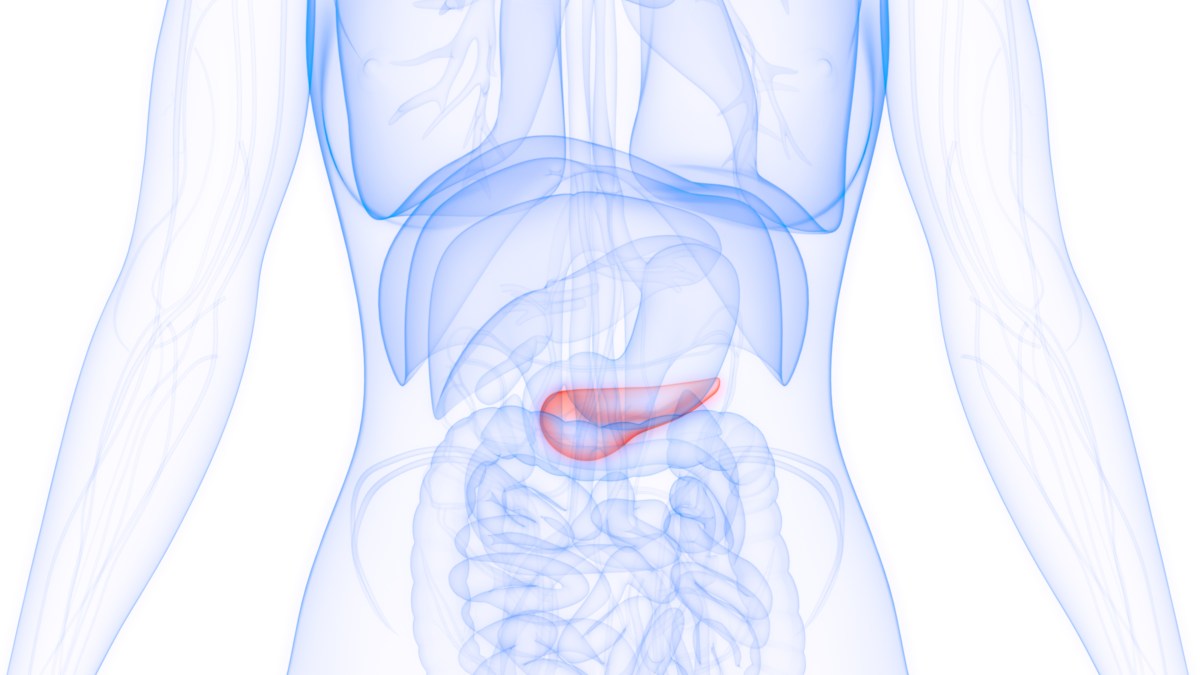
The trend—which has risen in the past 25 years—is largely driven by cancers related to obesity, such as colorectal cancer and postmenopausal breast cancer. Researcher Tinne Laurberg told Newsweek: "We found that cancer incidence remained higher among people with type 2 diabetes throughout the 27-year study period, with the gap becoming more pronounced in recent years. "Importantly, the excess was not uniform across cancers, but varied substantially by sex and cancer site, with particularly marked differences for obesity-related cancers." T2D is a chronic condition caused by constant high blood sugar, where the body can't use insulin—produced by the pancreas—properly.
It is common, with around one in 10 people in the United States living with diabetes, and up to 95 percent of them having type 2, according to the Cleveland Clinic. Symptoms include increased hunger, fatigue, blurred vision, slow healing and increased thirst. Several factors can contribute to insulin resistance, including genetics, but also excess body fat, physical inactivity, and frequently eating highly processed foods high in carbohydrates and saturated fats.
Now, the nationwide study based on the entire adult population of Denmark found that cancer incidence was higher among people with T2D than those without diabetes—and the rates are rising. Between 1996 and 2009, cancer incidence was nine percent higher in men with T2D, and 15 percent higher in women with T2D, the study found. Between 2010 and 2022, however, the rates had increased to 12 percent higher in men with T2D, and 22 percent higher in women with T2D.
The symptoms of T2D, including prolonged high blood sugar and insulin levels, insulin resistance and ongoing inflammation, potentially contribute to cancer development. Laurberg told Newsweek: "The important shift is that cancer can no longer be considered a secondary concern in type 2 diabetes. "As cardiovascular prevention and treatment have improved, cancer has become an increasingly important part of the long-term disease burden, highlighting the need to consider cancer prevention and early detection alongside traditional diabetes complications." Researchers used nationwide health registry data to compare new cancers—both related to obesity and not—among adults with and without T2D, who lived in Denmark between 1996 and 2022.
Over the 27-year period, 75,540 new cancers were identified among patients with T2D, and 635,323 people without. It found that obesity-related cancers were 45 percent higher in men, and 30 percent higher in women with T2D, than those without diabetes, between the years of 2010 to 2022. Researchers noted that the patterns differed significantly between sex and the type of cancer diagnosed.
Extract — continue reading at the source.