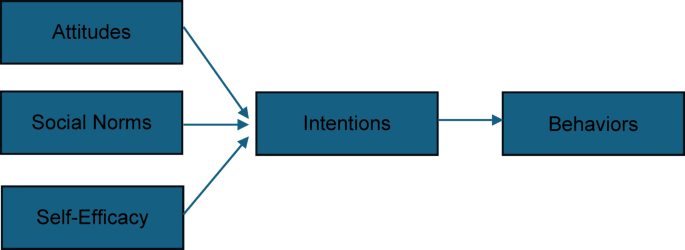
Sleep-related attentional failures are a significant contributor to road traffic fatalities, with young drivers disproportionately affected. This study explored psychological and behavioral correlates of attentional failures while driving among a geographically diverse sample of high school students. A cross-sectional survey of 923 licensed high school drivers across the United States assessed attentional failure-related behaviors, behavioral intentions, beliefs (attitudes, social norms, self-efficacy), sleep behaviors, and history of both a near miss and crash.
Adjusted logistic regressions examined predictors of attentional failure-related behaviors and intentions, as well as associations between the behavior, sleep, and near miss/crash history. Participants were 50.9% female, 43.9% male, and 5.2% other. High school drivers were between 16 and 20 years of age or older, with the most commonly reported age being 18 years (50.5%).
Most participants (80.1%) reported never having attentional failures, while 19.9% reported doing so with any frequency. Logistic regression revealed that unfavorable attitudes (aOR: 0.82, 95%CI: 0.75–0.88), social pressure to avoid falling asleep while driving (aOR: 0.58, 95%CI: 0.51–0.66), and self-efficacy beliefs regarding the ability to avoid falling asleep while driving (aOR: 0.64, 95%CI: 0.57–0.73) were inversely associated with reports of attentional failures. Surprisingly, long sleep (> 10 h) on school (aOR: 2.8, 95%CI: 1.6–4.8) and weekend nights (aOR: 4.1, 95%CI: 2.4–6.7) was associated with an increased risk for sleep-related attentional failures.
Use of the snooze alarm on school days (aOR: 2.64, 95%CI: 1.71–4.09) and reports of obtaining insufficient sleep duration most nights per month (aOR: 1.78, 95%CI: 1.22–2.59) were associated with increased reports of attentional failures. Reports of attentional failures were associated with near misses (aOR: 2.28, 95% CI: 1.58–3.29) and crashes (aOR: 2.56, 95% CI: 1.69–3.87), with substantially stronger associations observed when attentional failures were due to sleepiness, for near misses (aOR: 5.01, 95% CI: 2.44–10.26) and crashes (aOR: 15.79, 95% CI: 4.61–54.11), respectively. Fortunately, approximately 80% of participants reported never experiencing attentional failures, yet those who did report sleep-related attentional failures were associated with poor sleep health and history of near misses and crashes.
Future research is needed to support sleep health in young people. Sleep-related attentional failures while driving (defined as nodding off or experiencing a falling asleep at the wheel while driving) are a significant contributor to roadway fatalities in the United States1. Throughout this paper, the term “attentional failures” refers to self-reported behavioral events, specifically, nodding off or falling asleep at the wheel, consistent with the operational definition introduced by Barger et al.1 and subsequently applied by others in road safety research2,3.
This definition is distinct from laboratory-based measures of attentional impairment, such as psychomotor vigilance task (PVT) lapses or performance errors on cognitive attention tasks. Further support for this behavioral conceptualization comes from Choi et al.4, who developed the Attentional Failure During Driving Questionnaire (AFDQ) to capture self-reported sleep-related attentional events behind the wheel. According to data from the National Highway Traffic Safety Administration (NHTSA), an estimated 17.6% of all fatal crashes from 2017 to 2021 involved sleep-related attentional failures, resulting in the deaths of nearly 30,000 individuals during this five-year period5.
Extract — continue reading at the source.


