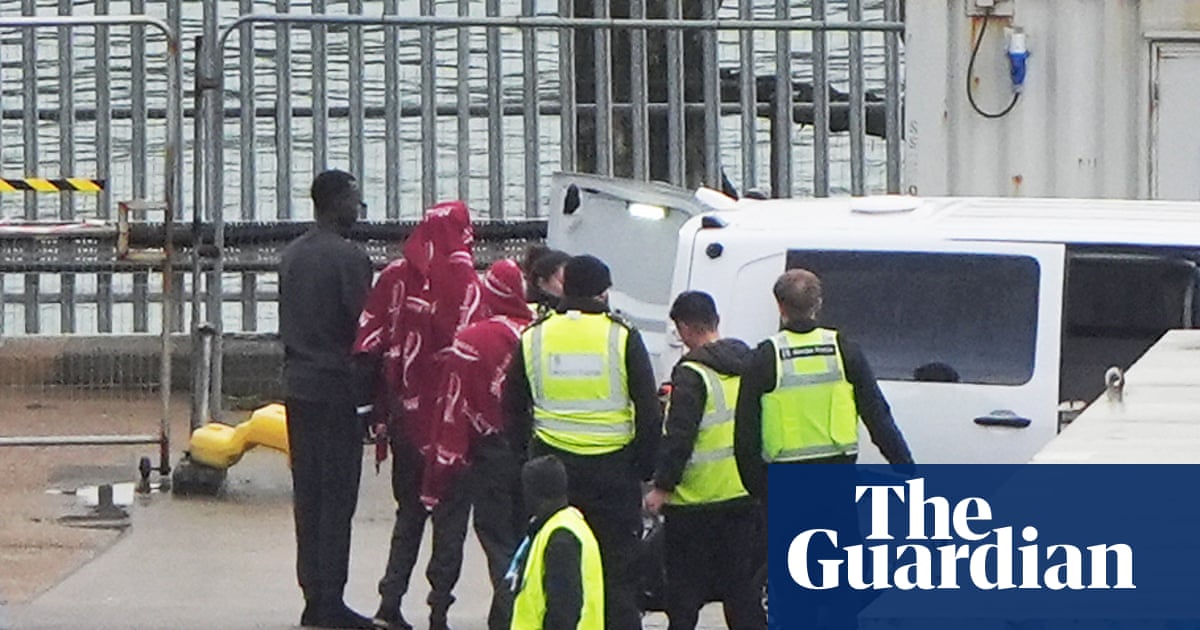
The UN refugee agency has said a government plan to make refugees wait up to 30 years before they get permission to settle in the UK “raises significant concerns”. The strategy was unveiled earlier this week by Shabana Mahmood, the home secretary, as she announced a softening of aspects of her immigration plans, but kept some of the rigorous rules drawn up by her office last year. Mahmood introduced a carve-out for care workers to allow them to apply for indefinite leave to remain after five years, but maintained rules to make those who arrived by irregular means such as small boats having to wait up to 30 years.
UNHCR, which has international responsibility for refugees, told the Guardian that the plan to increase the time people had to wait for those who arrived by irregular means was “likely to be detrimental”. Some refugees can reduce the upper limit of 30 years if they enter work or study, but there is a 10-year penalty for those who arrive on small boats or concealed in lorries rather than arriving via safe and legal routes. The government has significantly reduced the latter, and although it has announced some legal routes, these will only be able to be accessed by a small minority seeking sanctuary here.
The UNHCR welcomed the legal routes but said: “An extended qualifying period for settlement for refugees raises significant concerns, particularly when considered alongside the introduction of short-term stay arrangements and changes made last year that would preclude many from ever accessing citizenship. For refugees, safety means more than a grant of asylum and settlement has an important role to play.” Kamena Dorling, the director of policy at Helen Bamber Foundation, also raised concerns about the 30-year rule. She said: “We are deeply alarmed and disappointed by the government’s announcement on ‘earned settlement’.
It will cause profound and lasting harm to refugees, including survivors of torture, trafficking and other forms of extreme cruelty. She said that extending the qualifying period for settlement “is simply inhumane”. She added: “This will not deter people fleeing war, persecution, torture and violence, who are fighting for their lives and seeking safety in the UK.
When legal routes are so severely limited, people will continue to take desperate measures to reach safety. It will punish people who have already endured unimaginable harm, leaving those recognised as refugees facing decades of uncertainty, insecurity and fear.”
Extract — continue reading at the source.